Table of Contents Introduction: What is Augmented Reality? Does Augmented Reality Work Imagine strolling through a city where your phone adds digital information to your view. You see historical facts about buildings as you walk by, or you receive directions as if they were floating in the air. That’s the charm of augmented reality (AR). How does augmented reality work to create these interactive experiences? In simple terms, AR blends the digital and physical worlds, making our interactions with technology more immersive and intuitive. Analogy: Think of AR as a pair of magic glasses. Does Augmented Reality Work When you put them on, the world around you is enhanced with extra layers of digital information that make your experience richer and more engaging. It’s like having a superpower that allows you to see and interact with additional data overlaid on the real world. 1. Overlaying Digital Information: The Basics of How Augmented Reality Works At its heart, how does augmented reality work involves layering digital content over what you see in the real world. This digital content can be anything from text and images to animations and 3D models. AR doesn’t replace the real world; it enhances it by adding an extra layer of information. Analogy: Imagine you’re at a museum, and you’re looking at a painting. With AR, Does Augmented Reality Work you can use an app on your phone that overlays additional information about the painting’s history and the artist’s background on top of the image you see through your phone’s camera. It’s like having a knowledgeable tour guide right in your pocket! Example: Consider Pokémon GO, a popular AR game where virtual Pokémon appear in your real-world environment. As you explore your neighborhood, you might see a Pikachu sitting on a park bench, thanks to AR technology overlaying this digital creature onto your physical surroundings. 2. Sensors and Cameras: The Eyes and Ears of AR How does augmented reality work on a technical level? Does Augmented Reality Work Sensors and cameras play a crucial role. Cameras capture images of the real world, while sensors track your movements and the environment. This data is essential for the AR system to accurately overlay digital content. Analogy: Think of sensors and cameras as the eyes and ears of AR. Just like your eyes see and your ears hear to help you understand your surroundings, these devices gather visual and spatial data to help AR systems create a seamless blend of digital and real-world elements. Does Augmented Reality Work Example: In an AR navigation app, your phone’s camera captures the street ahead, while its sensors track your movement. The app uses this information to display real-time directions on the road, guiding you as you drive. 3. Real-Time Processing: Making Sense of the World Around Us For AR to work effectively, it needs to process data in real time. This means analyzing the images captured by cameras and making instant adjustments to digital content based on your actions and the environment. This rapid processing ensures that digital overlays match the real world accurately and interactively. Analogy: Imagine you’re adjusting a photo’s filter on your phone. As you move the slider, the filter updates instantly, showing you how the photo looks with different effects. Similarly, AR systems adjust digital content in real time to ensure it aligns perfectly with the real world. Example: When using an AR app to try on virtual clothes, the system processes your movements and the angles of your body in real time. This ensures that the virtual clothing looks natural and fits properly as you move around. 4. Display Technology: How We See AR Magic Happen How does augmented reality work when it comes to seeing the results? AR relies on various display technologies to project digital information into your view. This could be through screens on devices like smartphones and tablets or through specialized AR glasses and headsets that display information directly in your line of sight. Analogy: Think of display technology in AR as the screen on your smartphone or the projector at a movie theater. Just as these screens show you images and videos, AR displays project digital content into your visual field, blending it with the real world. Example: Google Glass was an early example of AR glasses that project information into your line of sight, allowing you to see notifications, directions, and more without needing to look at your phone. 5. Interaction and Feedback: How AR Knows What You’re Doing Interaction is a key component of how does augmented reality work. AR systems need to understand and respond to your actions. This is achieved through various input methods, such as touchscreens, voice commands, or gestures. The system processes your inputs and adjusts the digital content accordingly. Analogy: Imagine playing a video game where your character’s actions are controlled by your movements or button presses. The game responds in real time based on your actions. Similarly, AR systems use input methods to interact with and update digital content based on what you do. Example: In an AR app that lets you decorate your room with virtual furniture, you can move, rotate, and resize the virtual items using gestures or touch inputs. The app responds by updating the digital furniture’s placement and appearance based on your commands. 6. Applications and Use Cases: How AR Transforms Our Lives The beauty of AR is in its versatility. How does augmented reality work in different scenarios? From gaming and education to healthcare and retail, AR has a wide range of applications that enhance how we interact with the world. Analogy: Think of AR as a multi-tool that can adapt to various tasks, much like a Swiss Army knife. Just as a Swiss Army knife has different tools for different needs, AR technology can be applied in various fields to meet specific requirements and enhance experiences. Example: In healthcare, AR can assist surgeons by overlaying vital information on a patient’s body during surgery, improving precision. In retail, AR
Augmented Reality Vein Finder: 7 Life-Changing Benefits of Using an AR
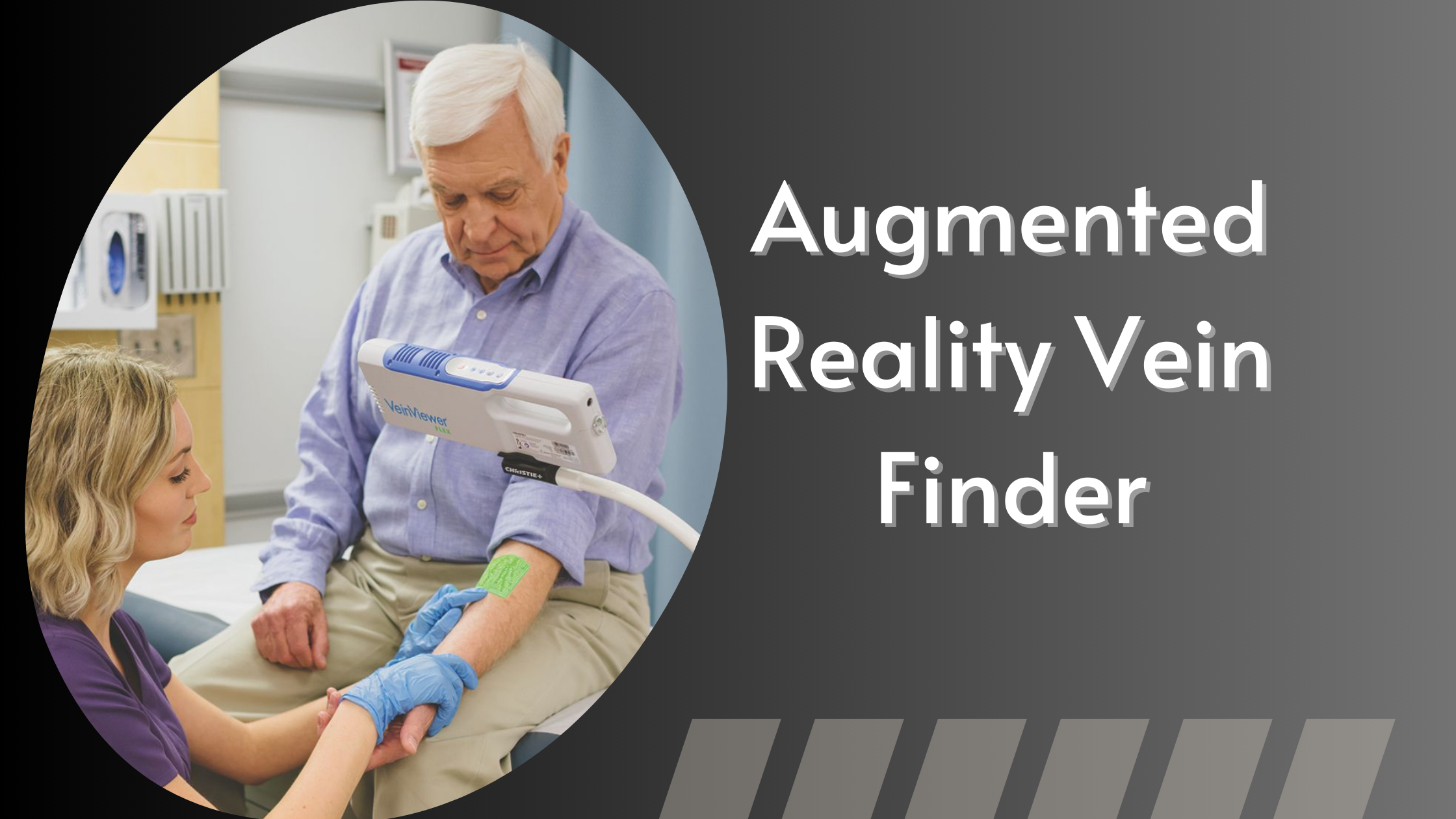
Table of Contents Introduction: What is an Augmented Reality Vein Finder? Augmented Reality Vein Finder Picture this: you’re at the doctor’s office, and you need a blood draw. Normally, the process can be a bit nerve-wracking, especially if you’re someone who isn’t a fan of needles. Now imagine if the healthcare professional could use a device that makes finding your veins as easy as checking your GPS for directions. That’s where the augmented reality vein finder comes into play. This groundbreaking device utilizes augmented reality (AR) to overlay a digital map of your veins onto your skin, making it easier for medical professionals to locate veins quickly and accurately. This is not just a high-tech gadget but a game-changer in improving patient care and efficiency in medical settings. 1. Enhanced Accuracy: Finding Veins with Precision When it comes to medical procedures involving needles, precision is everything. Traditional methods of locating veins can be hit or miss—literally. Healthcare professionals often rely on palpation and guesswork, which can sometimes result in multiple attempts to find a vein, leading to discomfort for the patient. Enter the augmented reality vein finder. This device uses advanced imaging technology to create a digital projection of veins beneath the skin, which is then displayed on the surface. This means that healthcare providers can see exactly where veins are located, making the insertion process much more accurate. Example: Imagine playing a video game with a top-down map that shows you exactly where to go. Just like that map guides you to your destination, the augmented reality vein finder guides medical professionals to the vein, ensuring a precise and successful insertion on the first try. Personal Anecdote: I remember a time when my cousin had to undergo routine blood tests, and finding a good vein was always a challenge. If the clinic had used an augmented reality vein finder, those multiple pokes would have been a thing of the past. 2. Increased Patient Comfort: A Gentle Touch Nobody enjoys the sensation of a needle prick, and for patients with difficult veins, the experience can be particularly uncomfortable. The augmented reality vein finder addresses this by improving the accuracy of needle placements, which reduces the number of attempts needed. Fewer needle sticks mean less pain and a more comfortable experience overall. Analogy: Think of it like using a laser level when hanging a picture on the wall. Instead of guessing and potentially making several holes, you get a precise guide that ensures you hit the mark on the first try. Similarly, an augmented reality vein finder hits the right spot with minimal discomfort. 3. Faster Procedures: Saving Time and Reducing Stress Time is of the essence in many medical procedures. With traditional methods, locating veins can take several minutes, during which patients might experience anxiety. The augmented reality vein finder speeds up this process by providing a clear visual map, allowing healthcare professionals to complete procedures more efficiently. Example: Imagine you’re at a crowded event, and you’re trying to find your friend in the crowd. If you have a photo of your friend, it’s much easier to spot them quickly. The augmented reality vein finder acts like that photo, giving a clear picture of where to look and saving time in the process. Personal Insight: During a recent health check-up, the nurse mentioned how time-consuming vein searches could be. If an augmented reality vein finder were available, it would have streamlined the process, making the whole experience quicker and less stressful for both the patient and the healthcare provider. 4. Improved Training: A New Tool for Healthcare Professionals Training new healthcare professionals can be challenging, especially when it comes to tasks that require a delicate touch, like finding veins. An augmented reality vein finder provides an invaluable training tool by offering a real-time visual guide. This allows trainees to practice and refine their skills before working on real patients. Example: It’s like learning to drive using a simulator before hitting the road. The augmented reality vein finder serves as a simulator for vein puncture, giving new professionals a chance to get comfortable with the procedure in a controlled environment. Personal Insight: I once volunteered at a medical training center where students struggled with vein puncture techniques. An augmented reality vein finder would have made their training sessions more effective and less intimidating, giving them a better foundation for real-world scenarios. 5. Reduced Needle Sticks: Minimizing Discomfort and Risk Repeated needle sticks not only cause discomfort but also increase the risk of complications such as bruising or infection. The augmented reality vein finder helps reduce the need for multiple attempts by accurately locating veins on the first try. This minimizes patient discomfort and lowers the risk of procedural complications. Analogy: Think of it like a fishing trip where you’re using the wrong bait and casting repeatedly. If you had a fish finder, you’d get better results with fewer casts. Similarly, the augmented reality vein finder helps you get it right on the first try, reducing the need for multiple attempts. Example: A friend of mine had a procedure where finding a vein was so challenging that she ended up with multiple needle sticks. If the facility had used an augmented reality vein finder, it would have spared her from that experience and made the process much smoother. 6. Versatility: Beyond Traditional Uses While augmented reality vein finders are primarily used for locating veins, their versatility extends beyond just needle insertion. They can be utilized in various medical fields, including emergency care, pediatric care, and even veterinary medicine. This broad application makes them a valuable tool in many different healthcare scenarios. Analogy: It’s like having a Swiss Army knife in your toolbox. Just as a Swiss Army knife has multiple functions, an augmented reality vein finder can be applied in various medical settings, making it a versatile addition to any healthcare toolkit. Example: In emergency situations, where quick and accurate vein access can be crucial, the augmented reality vein finder provides
8 Unbelievable Augmented Reality Guns: Discover the Future of Gaming
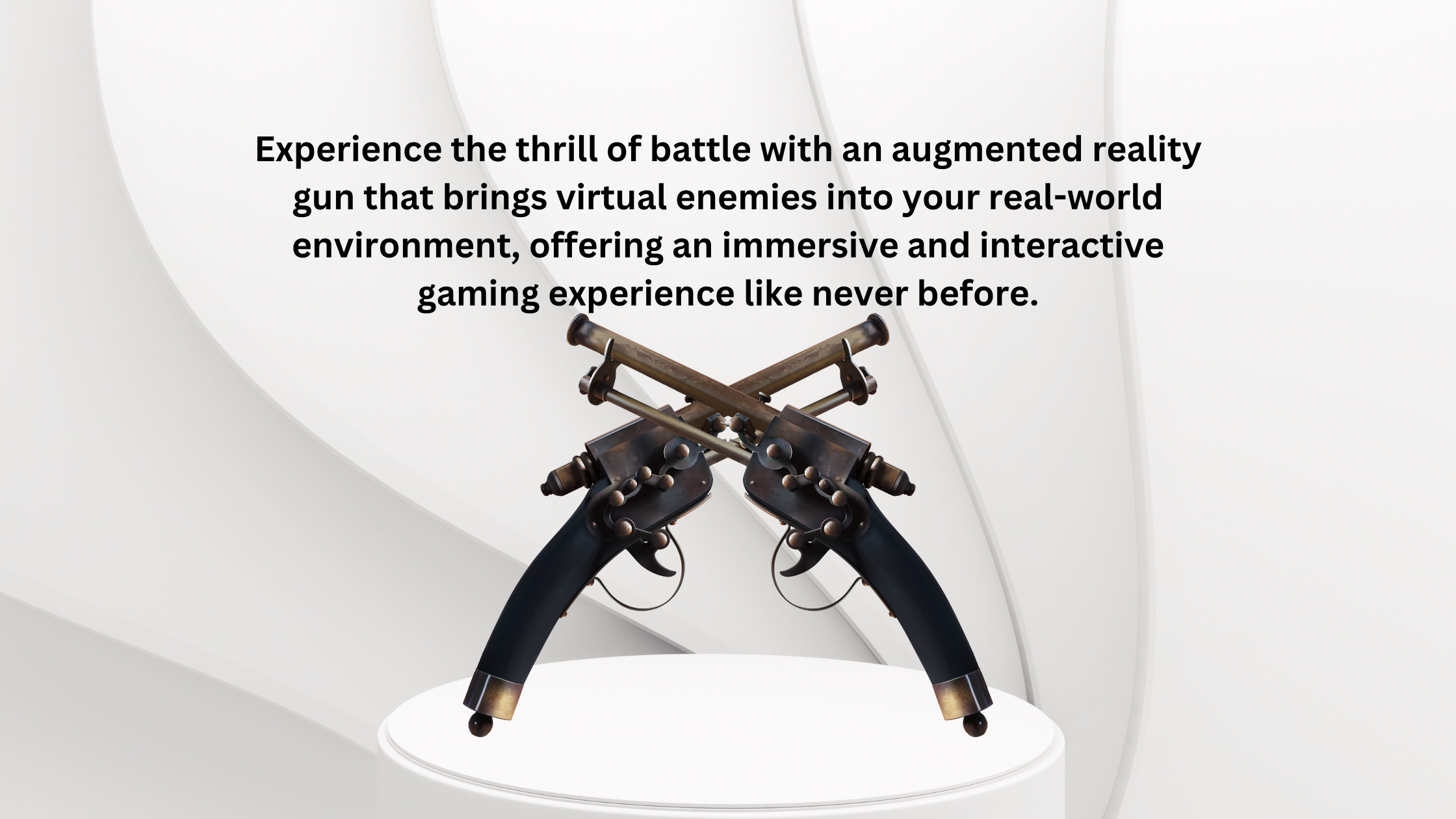
Table of Contents Introduction: Enter the World of Augmented Reality Guns Ever dreamed of stepping into a futuristic battlefield where you’re not just playing a game but living it? Welcome to the world of augmented reality guns. These high-tech marvels blend the excitement of traditional shooting games with the immersive power of augmented reality (AR). Imagine holding a gun that’s not only a physical device but also a gateway to thrilling virtual worlds. In this article, we’ll explore eight incredible augmented reality guns that are transforming the gaming landscape. So, buckle up—this is going to be a wild ride! 1. The Rise of Augmented Reality Guns: A Game Changer Before we dive into the specifics, let’s talk about why augmented reality guns are such a big deal. Traditional gaming setups often involve a screen, a controller, and maybe some fancy graphics. Augmented reality guns, however, take things to the next level by combining physical and digital elements. Think of it like this: instead of watching the action unfold on a screen, you’re actively part of it. This fusion of real-world and virtual elements makes for a gaming experience that’s more engaging, interactive, and, frankly, a whole lot of fun. 2. Augmented Reality Gun #1: The HyperGun X1 First up is the HyperGun X1, a true powerhouse in the world of augmented reality guns. This sleek, futuristic-looking piece is designed to make you feel like you’re in the middle of an epic sci-fi battle. With its precision tracking and haptic feedback, the HyperGun X1 delivers an immersive experience that’s as close to reality as you can get without leaving your living room. I had the chance to try out the HyperGun X1 at a gaming convention, and let me tell you, it was like stepping into a video game. The feeling of the gun vibrating with each shot and the pinpoint accuracy made me feel like I was really in a virtual combat zone. 3. Augmented Reality Gun #2: The AR Blaster Pro Next on our list is the AR Blaster Pro, a versatile tool that’s perfect for both casual gamers and serious enthusiasts. This gun is known for its ergonomic design and intuitive controls, making it easy to pick up and start playing. The AR Blaster Pro features a range of different game modes, from target practice to full-on combat scenarios, ensuring that there’s something for everyone. What’s cool about the AR Blaster Pro is its ability to connect with various AR platforms, allowing you to switch between games and experiences seamlessly. It’s like having a Swiss Army knife for your gaming adventures. 4. Augmented Reality Gun #3: The LaserStorm Elite For those who prefer a more tactical approach, the LaserStorm Elite might just be your new best friend. This augmented reality gun boasts advanced laser targeting and customizable settings, allowing you to fine-tune your gaming experience to perfection. Whether you’re defending a fortress or taking on a wave of enemies, the LaserStorm Elite gives you the precision and control you need to come out on top. I remember using the LaserStorm Elite in a multiplayer game, and the competitive edge it gave me was incredible. It’s like having a high-tech ally that helps you strategize and execute your game plan with military precision. 5. Augmented Reality Gun #4: The HoloShot Ranger The HoloShot Ranger is another standout in the realm of augmented reality guns. This gun is designed with a focus on versatility and ease of use. Its lightweight build and adjustable features make it suitable for extended gaming sessions, while its powerful AR capabilities ensure that the action is always engaging. One of my favorite features of the HoloShot Ranger is its ability to project different types of virtual scenarios, from futuristic battlefields to fantasy landscapes. It’s like having a whole arsenal of virtual environments at your fingertips. 6. Augmented Reality Gun #5: The VirtuSlinger If you’re looking for a gun that combines style with performance, the VirtuSlinger is worth checking out. With its sleek design and advanced AR integration, the VirtuSlinger offers a gaming experience that’s both visually impressive and highly functional. It features a range of customizable options, allowing you to personalize your gaming setup to match your preferences. I’ve used the VirtuSlinger in a variety of settings, from intense shootouts to relaxed target practice, and it consistently delivered a top-notch experience. It’s like having a high-performance tool that adapts to your gaming needs. 7. Augmented Reality Gun #6: The AR Defender The AR Defender is all about protection and precision. This gun is designed to offer superior accuracy and a responsive shooting experience. Its advanced AR technology allows for detailed environmental interaction, making every shot count. The AR Defender is perfect for gamers who demand precision and reliability. I remember a particularly intense session with the AR Defender where its accuracy helped me hit targets I would have missed with other guns. It’s like having a personal trainer for your shooting skills. 8. Augmented Reality Gun #7: The Nexus Shooter The Nexus Shooter is a cutting-edge augmented reality gun that stands out for its adaptability and immersive features. It supports a wide range of AR games and experiences, making it a versatile addition to any gamer’s collection. The Nexus Shooter’s intuitive controls and responsive feedback make it easy to get into the action and stay engaged. Using the Nexus Shooter felt like stepping into a new dimension of gaming. Its adaptability and immersive features made every game session exciting and fresh, like exploring a new world every time. 9. Augmented Reality Gun #8: The Phantom Strike Last but certainly not least is the Phantom Strike, a gun that combines stealth with power. Its sleek design and advanced AR capabilities make it perfect for gamers who enjoy a tactical approach. The Phantom Strike’s customizable settings and realistic feedback make it a top choice for those looking to enhance their gaming experience. I had a blast using the Phantom Strike in a stealth-based game where its