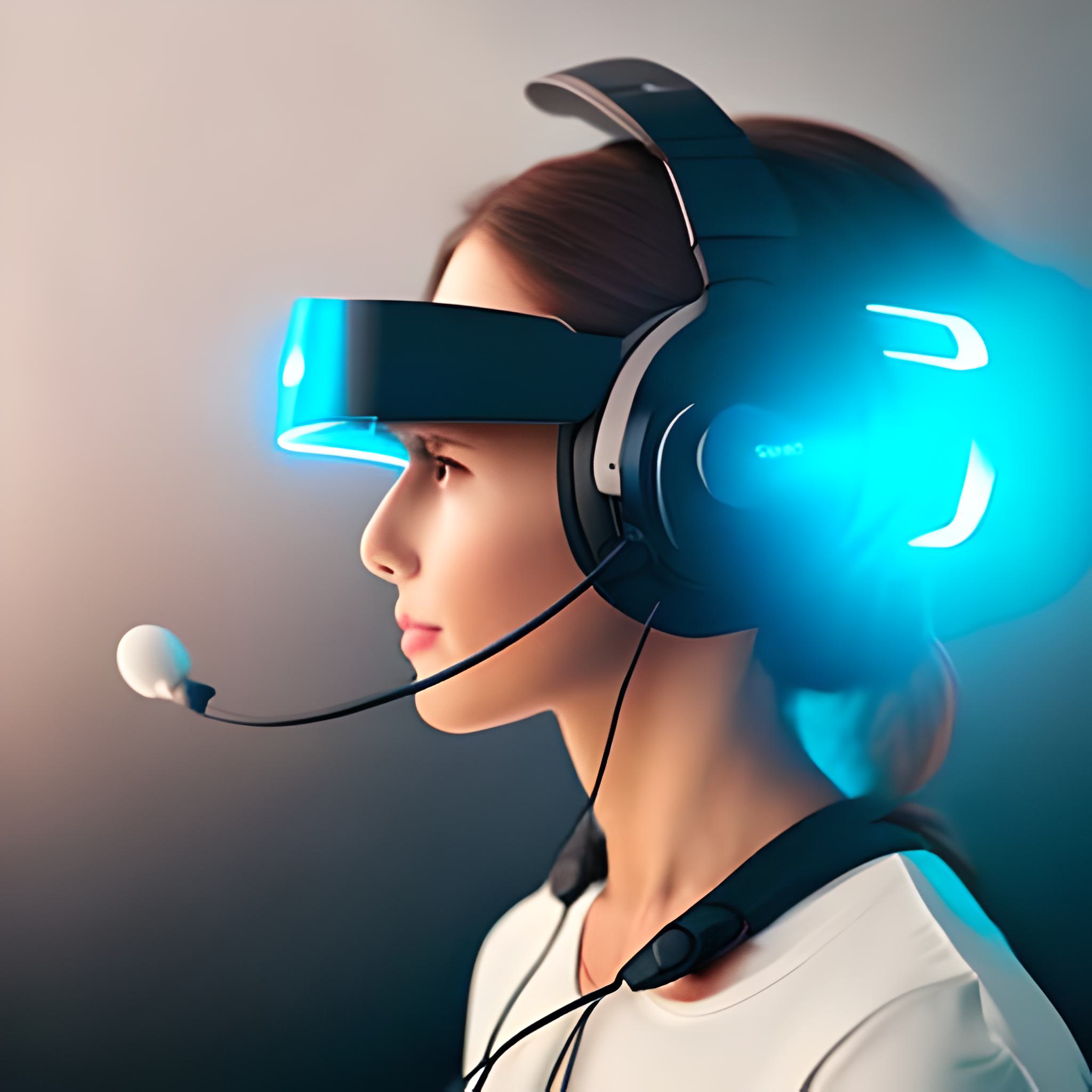
Table of Contents Introduction: The Changing Face of Virtual Reality Architecture Architecture of Virtual Reality Systems (VR) has come a long way since its inception, transforming from a niche technology into a mainstream marvel. The architecture of virtual reality systems is at the heart of this transformation, shaping how we interact with and experience digital worlds. Imagine how different our world would be if VR were still stuck with the clunky, limited systems of the past. The evolution of VR systems isn’t just about improved hardware; it’s about creating immersive, user-friendly experiences that blend seamlessly with our daily lives. In this article, we’ll dive into ten amazing ways the architecture of virtual reality systems is evolving, offering a glimpse into a future where virtual worlds are as natural and engaging as the real one. 1. From Cumbersome to Compact: The Evolution of VR Hardware Architecture of Virtual Reality Systems Remember the early VR headsets that looked like they were borrowed from a sci-fi movie set? They were often heavy, unwieldy, and required complex setups. Fast forward to today, and the architecture of virtual reality systems has undergone a remarkable transformation. Modern VR hardware is designed with sleek, compact profiles that prioritize comfort and usability. For instance, devices like the Meta Quest and the PlayStation VR2 are much lighter and ergonomically designed, making them more comfortable for extended use. Gone are the days when you had to endure a headset that made you feel like you were carrying a mini-fridge on your head. Today’s VR systems are all about portability and ease. They often come with adjustable straps, cushioned interiors, and reduced weight, so you can enjoy your virtual adventures without feeling like you’re lugging around a set of bricks. This shift towards a more user-friendly design is akin to the evolution of smartphones from bulky early models to the sleek, lightweight devices we use today. 2. Seamless Integration: How VR Systems Are Becoming More User-Friendly If you’ve ever tried setting up an old-school VR system, you know it often involved a tangled mess of cables and numerous setup steps. The architecture of virtual reality systems is evolving to make these setups much simpler. Today’s Architecture of Virtual Reality Systems VR systems are designed for seamless integration, allowing users to jump into their virtual worlds with minimal hassle. Newer VR systems, like the Meta Quest 3, emphasize plug-and-play capabilities. This means you can start exploring your virtual environment almost immediately after setting up the device. No more wrestling with cables or fiddling with complex software settings. It’s like the difference between setting up an old TV with a tangled mess of wires and simply plugging in a modern smart TV that connects to the internet with a few taps. This streamlined approach makes VR more accessible and enjoyable for everyone, whether you’re a tech enthusiast or a casual user. 3. Immersive Realism: Enhancing Visual Fidelity and Detail One of the most exciting advancements in the architecture of virtual reality systems is the dramatic improvement in visual fidelity. Architecture of Virtual Reality Systems Early VR systems had limited graphical capabilities, which sometimes made virtual worlds look more like abstract art than realistic environments. Today’s VR systems are pushing the boundaries of visual realism, offering incredibly detailed and lifelike graphics. For example, recent VR headsets feature high-resolution displays with improved color accuracy and contrast, making virtual environments look almost as vivid as the real world. Imagine upgrading from a standard-definition TV to a 4K ultra-high-definition screen—the difference is night and day. This leap in visual fidelity allows for more immersive experiences, where every detail, from the texture of a virtual surface to the subtleties of lighting and shadow, is rendered with stunning clarity. 4. Spatial Awareness: The Rise of Room-Scale VR Experiences The architecture of virtual reality systems is increasingly focused on spatial awareness, allowing users to interact with larger virtual environments by moving around in their physical space. Room-scale Architecture of Virtual Reality Systems VR, enabled by systems like the HTC Vive and the Meta Quest 2, uses sensors and cameras to track your movements within a designated play area. This advancement transforms VR from a stationary experience into one where you can walk, crouch, and even jump within your virtual world. It’s akin to moving from a traditional video game where you’re confined to a single viewpoint to a fully immersive experience where you can explore a vast, three-dimensional space. This level of interactivity makes virtual experiences feel more natural and engaging, as you’re no longer just looking at a screen but physically navigating through a virtual environment. 5. Responsive Interactions: Advances in Haptic Feedback Technology Imagine reaching out to touch something in a virtual world and actually feeling its texture or weight. That’s the magic of advanced haptic feedback technology in the architecture of virtual reality systems. Haptic feedback uses vibration and other sensations to simulate physical interactions with virtual objects. Recent developments in haptic technology have made these sensations more nuanced and realistic. For instance, the Oculus Touch controllers offer a range of haptic responses, from the subtle sensation of picking up a delicate object to the strong vibration of a virtual explosion. It’s like moving from a basic game controller with minimal feedback to a sophisticated device that provides a full-body immersion experience. These advancements enhance the sense of realism and make virtual interactions feel more tangible and lifelike. 6. Wireless Wonders: The Shift from Tethered to Untethered VR One of the most liberating changes in the architecture of virtual reality systems is the shift from tethered to wireless VR. Traditional VR systems required users to be physically connected to a computer or console via a network of cables, which could limit movement and create a cluttered play area. Today’s VR systems are embracing wireless technology, allowing users to roam freely without being tethered by cables. The Meta Quest 2 is a prime example of this shift, offering a completely wireless experience that enables users to move
Advantages of Virtual Reality
1. Enhanced Learning and Training For Advantages of Virtual Reality Virtual Reality (VR) offers immersive and interactive experiences that can significantly improve learning and training. By simulating real-world scenarios, VR allows users to practice skills and gain knowledge in a safe and controlled environment. This is particularly beneficial in fields such as medicine, aviation, and military training, where real-life practice can be risky or expensive. 2. Improved Collaboration for Advantages of Virtual Reality VR enables remote collaboration in a way that traditional video conferencing cannot match. By creating a shared virtual space, team members can interact with each other and digital objects as if they were in the same room. This enhances communication, reduces misunderstandings, and fosters a more engaging and productive work environment. 3. Better Visualization and Design for Advantages of Virtual Reality VR is a powerful tool for visualizing complex data and designs. Architects, engineers, and designers can use VR to create and explore detailed 3D models of buildings, products, and systems. This helps in identifying potential issues, making more informed decisions, and presenting ideas to clients and stakeholders in a compelling way. 4. Therapeutic Applications for Advantages of Virtual Reality VR has proven to be effective in various therapeutic applications, such as treating phobias, PTSD, and chronic pain. By exposing patients to controlled virtual environments, therapists can help them confront and manage their fears and anxieties. Additionally, VR can be used for rehabilitation purposes, providing patients with engaging exercises to aid in their recovery. 5. Entertainment and Gaming for Advantages of Virtual Reality The entertainment industry has been revolutionized by VR, offering users immersive experiences in gaming, movies, and virtual tours. VR games provide a level of interactivity and engagement that traditional games cannot match, while VR movies and tours offer new ways to experience stories and locations. 6. Increased Accessibility for Advantages of Virtual Reality VR can make experiences and environments accessible to people who might not otherwise have the opportunity to enjoy them. This includes virtual travel experiences for those unable to physically travel, educational experiences for students in remote areas, and social interactions for individuals with disabilities. 7. Enhanced Creativity for Advantages of Virtual Reality VR provides a unique platform for creative expression. Artists, musicians, and creators can use VR tools to produce innovative works that push the boundaries of traditional media. The immersive nature of VR allows for new forms of storytelling and artistic experiences that are not possible in the physical world. 8. Cost Savings For the Advantages of Virtual Reality By reducing the need for physical prototypes, travel, and in-person training, VR can lead to significant cost savings for businesses and institutions. Virtual prototypes can be tested and modified without the expense of creating physical versions, and remote training can save on travel and accommodation costs. 9. Environmental Benefits For Advantages of Virtual Reality VR can contribute to environmental sustainability by reducing the need for physical materials and travel. Virtual meetings, conferences, and events can minimize the carbon footprint associated with travel, while virtual prototyping and design can reduce waste and resource consumption. 10. Personalized Experiences for Advantages of Virtual Reality VR allows for highly personalized experiences, tailored to the individual needs and preferences of users. Whether it’s personalized learning paths, customized gaming experiences, or individualized therapeutic sessions, VR can adapt to provide the most effective and enjoyable experience for each user. Conclusion Virtual Reality is transforming various aspects of our lives, from education and training to entertainment and therapy. Its ability to create immersive, interactive, and personalized experiences opens up new possibilities for innovation and improvement. As technology continues to advance, the potential applications and benefits of VR will only expand, making it an increasingly integral part of our future. FAQs 1. What is Virtual Reality (VR)? Virtual Reality (VR) is a technology that creates a simulated environment, allowing users to interact with it in a seemingly real or physical way using special equipment such as VR headsets and controllers. 2. How does VR enhance learning and training? VR enhances learning and training by providing immersive, interactive environments where users can practice skills and gain knowledge in a safe, controlled setting, which is particularly useful in fields where real-life practice is risky or expensive. 3. Can VR improve collaboration in the workplace? Yes, VR can improve collaboration by creating shared virtual spaces where team members can interact with each other and digital objects as if they were in the same room, enhancing communication and productivity. 4. What are some therapeutic applications of VR? VR is used in therapy to treat phobias, PTSD, and chronic pain, by exposing patients to controlled virtual environments. It is also used for rehabilitation, providing engaging exercises to aid recovery. 5. How is VR used in entertainment and gaming? VR revolutionizes entertainment and gaming by offering immersive experiences that traditional media cannot match, including interactive games, virtual tours, and immersive movies. 6. What are the cost savings associated with VR? VR can lead to cost savings by reducing the need for physical prototypes, travel, and in-person training, allowing for virtual testing and remote learning that save on materials and expenses. 7. How does VR contribute to environmental sustainability? VR contributes to environmental sustainability by reducing the need for travel and physical materials, thereby minimizing the carbon footprint and resource consumption associated with traditional methods. 8. Can VR provide personalized experiences? Yes, VR can offer highly personalized experiences tailored to individual needs and preferences, enhancing effectiveness and enjoyment in areas such as learning, gaming, and therapy. 9. What industries benefit the most from VR? Industries such as education, healthcare, architecture, engineering, entertainment, and remote work benefit significantly from VR due to its ability to provide immersive, interactive, and cost-effective solutions. 10. What are the future prospects of VR technology? The future prospects of VR technology are vast, with continued advancements expected to expand its applications and benefits across various sectors, making it an increasingly integral part of our daily lives and professional practices.