
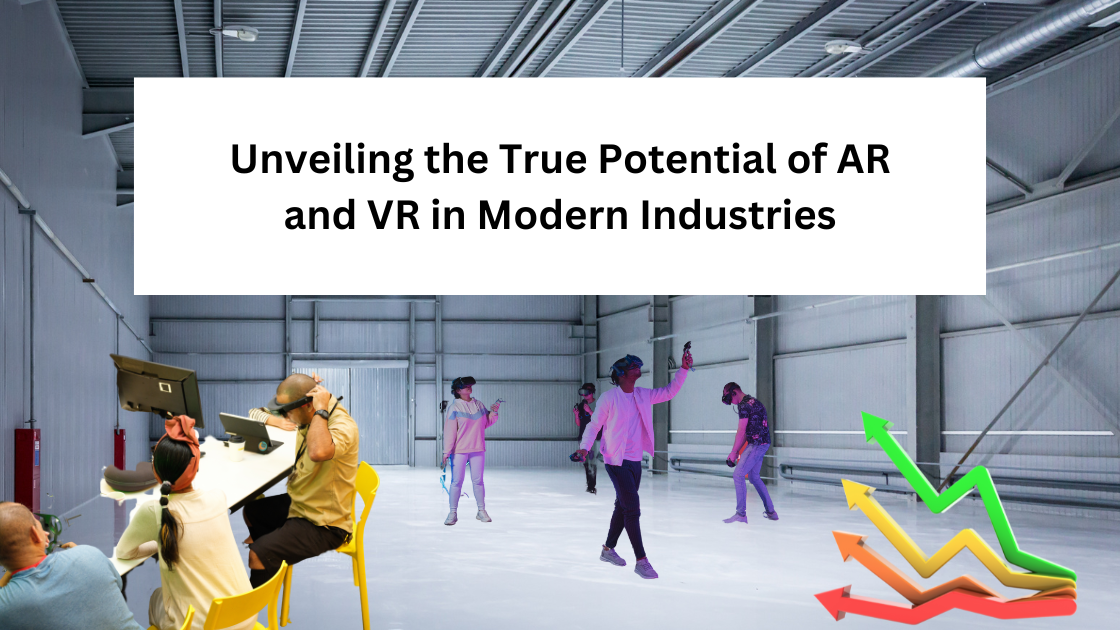
The gaming industry in 2024 is undergoing a transformative shift, thanks to the advancements in Augmented Reality (AR) and Virtual Reality (VR). These technologies are blurring the lines between the digital and physical worlds, providing immersive and interactive experiences that were once the stuff of science fiction. With global gaming revenues projected to exceed $200 billion, AR and VR are playing a crucial role in reshaping not only how games are played but also how they are developed, monetized, and experienced. This article explores the profound impact of AR and VR on the gaming industry in 2024, highlighting key advancements, challenges, and opportunities. The Evolution of AR and VR Gaming 2024 AR and VR have evolved significantly since their early days, with breakthroughs in hardware, software, and content creation. Early AR and VR Gaming Current State (2024) Technological Convergence Immersive Gameplay Experiences for AR VR Gaming 2024 AR and VR have revolutionized gameplay by enhancing immersion, interactivity, and emotional engagement. Virtual Reality: Total Immersion VR offers players the ability to step into fully realized virtual worlds where they can interact with objects, characters, and environments as if they were physically present. Augmented Reality: Real-World Integration AR enhances the physical environment with digital overlays, creating unique gameplay opportunities. Tactile Feedback and Haptics Transformative Game Genres and Titles for AR VR Gaming 2024 AR and VR are redefining traditional game genres while giving rise to new ones. Revolutionized Genres New and Emerging Genres Game Development and Design Innovations AR and VR are changing how games are developed, requiring new skills, tools, and design philosophies. Enhanced Game Engines User-Generated Content (UGC) Collaborative Development Monetization and Business Models for AR VR Gaming 2024 The rise of AR and VR has led to new monetization strategies, reshaping how developers and publishers generate revenue. Traditional Monetization Models Innovative Models Sponsorship and Advertising Challenges Facing AR and VR Gaming 2024 Despite their rapid growth, AR and VR gaming face several challenges that could impact their long-term success. Technical Limitations Content Availability Ethical and Social Issues Future Outlook and Opportunities for AR VR Gaming 2024 The future of AR and VR gaming is bright, with continued innovation expected in hardware, software, and player experiences. Emerging Technologies Expanding Markets Cultural Impact Conclusion In 2024, AR and VR are redefining the gaming industry by delivering immersive, interactive, and transformative experiences. From revolutionizing gameplay and development to creating new monetization models and business opportunities, these technologies are paving the way for the future of entertainment. While challenges remain, the potential for innovation is vast, making AR and VR gaming a critical frontier in the digital age. As the industry evolves, it will continue to captivate players, developers, and businesses, driving the next era of interactive entertainment. 4o

AI in Politics: How It’s Changing Global Strategies
Introduction Artificial intelligence (AI) has emerged as a transformative force in politics, reshaping global strategies in governance, policymaking, defense, and diplomacy. The rapid adoption of AI tools and technologies is influencing how nations address challenges, interact on the international stage, and manage their populations. Here’s a detailed look at the role of AI in politics and its impact on global strategies. AI in Policy Formulation and Governance for AI in Politics Governments are increasingly integrating AI into policymaking and administrative processes. Data-Driven Decision-Making AI systems analyze vast amounts of data to identify patterns and trends, enabling governments to: Streamlining Bureaucracy AI-powered automation is reducing inefficiencies in governance by: Ethical Considerations However, the use of AI in governance raises concerns about: AI in Elections and Political Campaigns for AI in Politics AI is revolutionizing electoral processes and campaign strategies. Micro-targeting and Personalized Campaigning AI algorithms analyze voter data to create personalized messages, making campaigns more effective: Election Security AI plays a dual role in elections: Digital Democracy AI tools enable direct engagement between politicians and constituents, fostering a participatory democracy. Platforms using chatbots or virtual assistants allow voters to pose questions and receive tailored responses. AI in Defense and National Security for AI in Politics The militarization of AI is reshaping global defense strategies. Autonomous Weapons AI-powered drones and robotic systems are being developed for: Cyber-security AI is crucial for detecting and neutralizing cyber threats: Ethical and Strategic Implications The use of AI in defense raises several concerns: AI in Diplomacy and International Relations AI is increasingly used to navigate complex global issues. Predictive Analytics AI helps predict international trends and conflicts by analyzing: AI in Negotiation Advanced AI tools simulate negotiation scenarios, preparing diplomats with strategies that maximize outcomes. AI in Global Cooperation AI fosters collaboration through initiatives like: However, these applications also create geopolitical competition as nations vie for AI dominance. AI in Shaping Public Opinion and Social Control for AI in Politics Governments and political entities leverage AI for managing public perception and control. State Surveillance AI technologies like facial recognition and predictive policing are being deployed to: Propaganda and Misinformation AI-generated content (e.g., deepfakes, bots) is used to spread propaganda: Challenges to Freedom The integration of AI in governance and media control poses risks to democratic freedoms, especially in authoritarian regimes. AI in Economic Strategies and Trade for AI in Politics AI is a critical component of economic strategy in the geopolitical arena. AI as a Competitive Advantage Countries with advanced AI capabilities gain an edge in: Tech Rivalries The competition between major powers like the U.S. and China highlights AI’s role in: Global AI Regulations and Cooperation The need for a unified approach to AI governance is becoming apparent. Regulatory Frameworks Countries and organizations are establishing AI regulations to address ethical and safety concerns: International Collaboration Initiatives like the Global Partnership on AI (GPAI) promote: Challenges Despite efforts, achieving consensus on global AI governance is difficult due to competing interests and ethical perspectives. Future Prospects: AI and Political Evolution for AI in Politics The role of AI in politics will continue to evolve, with several trends likely to shape the future: Conclusion for AI in Politics AI is not just a tool but a transformative force in politics, influencing everything from governance to global diplomacy. While it offers immense potential to solve complex problems, it also presents significant challenges, including ethical dilemmas, privacy concerns, and the risk of geopolitical conflicts. The integration of AI into political strategies will determine how nations navigate the 21st century, balancing technological innovation with the principles of democracy and human rights. As AI continues to evolve, its impact on politics will deepen, reshaping the global landscape in unprecedented ways. The challenge lies in ensuring that AI serves as a force for good, promoting equity, peace, and progress in an increasingly interconnected world.
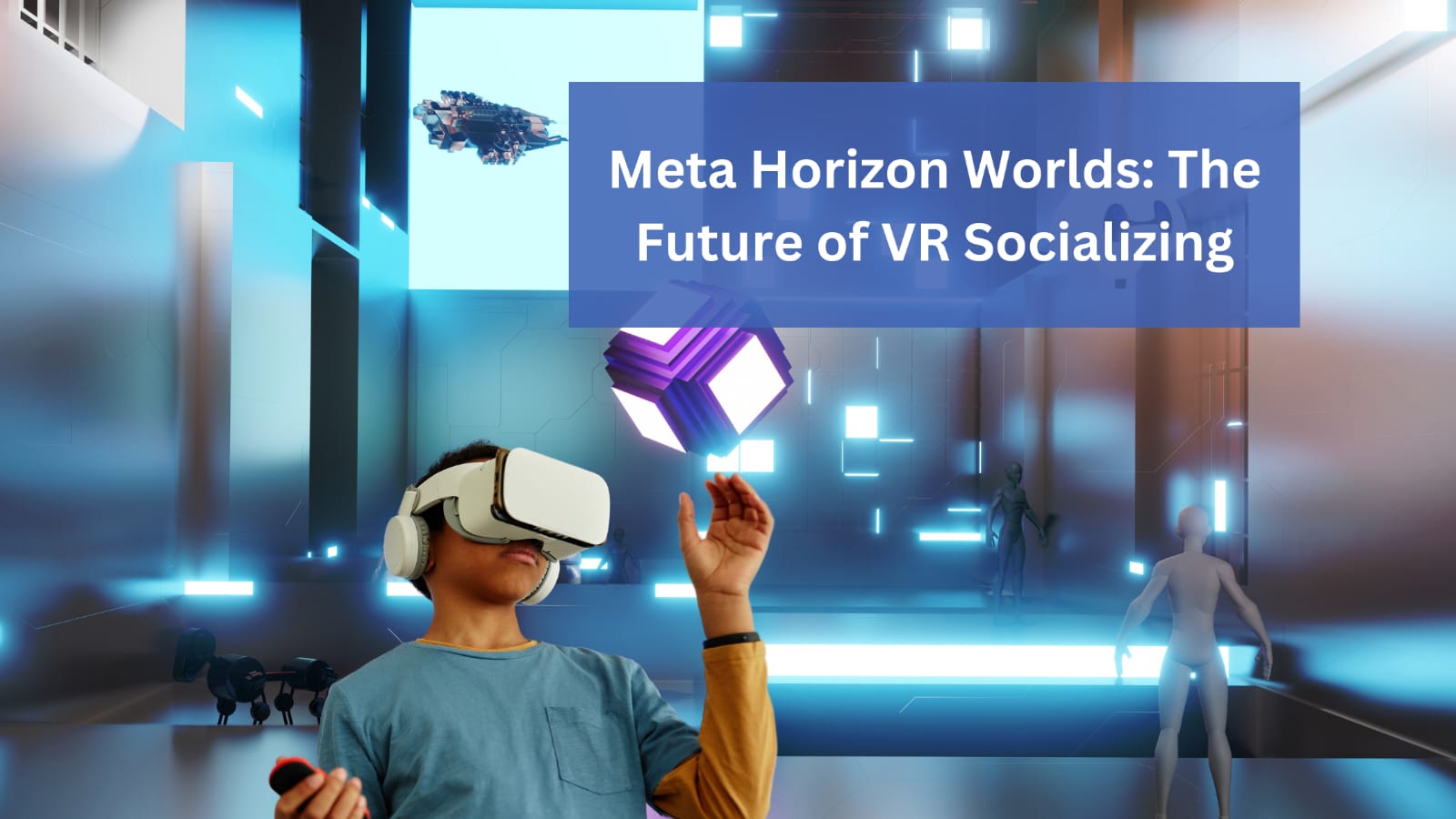
Meta Horizon Worlds: The Future of VR Socializing
Meta Horizon Worlds, a flagship product from Meta (formerly Facebook), represents a bold leap into the future of virtual reality (VR) socializing. This immersive platform allows users to interact, create, and explore in an entirely digital space. By combining advanced VR technology with the dynamics of social interaction, Meta Horizon Worlds is redefining how people connect and collaborate. This article dives deep into the transformative potential of Meta Horizon Worlds, covering its features, user experience, applications, challenges, and its role in the broader meta-verse vision. Introduction to Meta Horizon Worlds Meta Horizon Worlds exemplifies Meta’s vision for a connected and immersive virtual space. With VR as its foundation, it allows users to create and share virtual environments, interact in real-time, and foster a sense of presence that traditional online platforms cannot achieve. Released to the public in late 2021, the platform has since evolved, incorporating cutting-edge features to enhance its appeal. What is Meta Horizon Worlds? Meta Horizon Worlds is a free-to-use VR social platform accessible through Meta’s VR devices, like the Meta Quest 2 and Meta Quest Pro. It serves as a sandbox environment where users can create custom worlds, host events, and engage in interactive experiences. The platform merges the creativity of sandbox gaming with the connectivity of social media, creating a hybrid space for interaction and expression. Key Features for Meta Horizon Worlds Immersive Social Spaces Horizon Worlds provides a range of virtual environments, from cozy lounges to expansive landscapes. These spaces are designed to foster interaction, enabling users to host gatherings, parties, or even professional events. The platform’s avatars, which reflect users’ expressions and movements, enhance the feeling of being present with others. User-Generated Content One of the standout features is the ability for users to create their own worlds using intuitive tools. From designing a serene virtual garden to crafting an intricate game level, the creative possibilities are endless. This fosters a sense of ownership and encourages users to contribute to the platform’s growth. Multiplayer Interaction Horizon Worlds is inherently social, offering multiplayer experiences where users can play games, solve puzzles, or simply hang out. The platform supports collaborative activities, allowing users to build or explore together in real time. Technology Behind Meta Horizon Worlds The backbone of Horizon Worlds is Meta’s advanced VR ecosystem, which includes: Applications in Various Domains for Meta Horizon Worlds Social Interaction Meta Horizon Worlds transforms how people socialize online. Whether it’s a virtual birthday party, a casual meetup, or a large-scale event, the platform creates opportunities for meaningful connections in a virtual space. Education and Training Educational institutions and training programs can use Horizon Worlds to create interactive simulations and virtual classrooms. This enhances learning experiences by making abstract concepts tangible and engaging. Business and Collaboration For remote teams, Horizon Worlds provides a virtual office space. Professionals can host meetings, brainstorm ideas, and collaborate on projects in a more interactive and engaging way than traditional video calls. Gaming and Entertainment Horizon Worlds integrates gaming elements, allowing users to participate in custom games or even design their own. Virtual concerts, movie screenings, and interactive storytelling are just some of the entertainment possibilities. The Evolution of Virtual Communities for Meta Horizon Worlds Horizon Worlds signifies a shift from passive social media platforms to active virtual communities. It encourages participation and creation, empowering users to shape their digital experiences. This evolution aligns with the broader trend of the meta-verse, where virtual spaces become extensions of real-life communities. User Experience in Meta Horizon Worlds Horizon Worlds prioritizes accessibility and immersion. The user interface is designed to be intuitive, even for those new to VR. Avatars with customizable features and real-time responsiveness enhance the sense of individuality and presence. The platform supports voice communication and spatial gestures, making interactions feel natural. Meta’s focus on inclusivity ensures that Horizon Worlds accommodates users from diverse backgrounds and abilities. Challenges and Criticisms for Meta Horizon Worlds Privacy and Safety As with any social platform, concerns about privacy, data security, and online harassment are prevalent. Meta must implement robust moderation tools and privacy controls to protect users. Accessibility While Horizon Worlds is free, it requires a Meta VR headset, which can be expensive and limits accessibility. Content Moderation User-generated content brings creativity but also poses challenges in moderating inappropriate or harmful material. Learning Curve For users unfamiliar with VR, navigating and creating in Horizon Worlds can initially feel overwhelming. Comparative Analysis for Meta Horizon Worlds Horizon Worlds competes with platforms like VRChat, Rec Room, and AltspaceVR. While all offer social VR experiences, Horizon Worlds stands out for its integration with Meta’s ecosystem and user-friendly creation tools. However, VRChat offers a more expansive library of user-generated worlds, and Rec Room caters more to casual gamers. The Role of Meta Horizon Worlds in the Metaverse Horizon Worlds is a cornerstone of Meta’s met-averse strategy. It exemplifies the concept of interconnected virtual spaces where people can work, play, and socialize. By fostering user engagement and collaboration, Horizon Worlds sets the stage for the meta-verse to evolve into a vibrant, user-driven ecosystem. Future Prospects for Meta Horizon Worlds Conclusion Meta Horizon Worlds is a transformative platform at the forefront of VR socializing. By blending creativity, connectivity, and immersive technology, it redefines how people interact in the digital age. While challenges remain, its potential to revolutionize industries and foster global communities is undeniable. As the meta-verse vision continues to unfold, Meta Horizon Worlds is poised to play a pivotal role in shaping the future of digital interaction. Whether you’re a creator, gamer, professional, or social butterfly, this platform offers endless opportunities to explore, connect, and create.
