Introduction How Augmented Reality Fashion is Changing the Game Augmented Reality (AR) has transformed various industries, and fashion is no exception. With the integration of AR, the fashion industry is experiencing a revolution in how consumers interact with brands, try on clothes, and make purchasing decisions. This article explores how AR is changing the fashion game, highlighting its benefits, challenges, and future potential. 1. Virtual Try-Ons How AR Fashion is Changing Game One of the most significant impacts of AR in fashion is the introduction of virtual try-ons. How Augmented Reality Fashion is Changing the Game This technology allows consumers to see how clothes, accessories, and even makeup will look on them without physically trying them on. Using a smartphone or AR glasses, shoppers can overlay digital images of products onto their bodies in real time. Brands like Zara, Sephora, and Warby Parker have already implemented AR try-on features, enhancing the shopping experience and reducing the need for physical fitting rooms. 2. Enhanced Shopping Experience How AR Fashion is Changing the Game AR enhances the shopping experience by providing immersive and interactive elements. In-store AR mirrors can display different outfits on a customer, while online platforms can offer virtual showrooms and interactive catalogs. These features help customers make informed decisions, leading to higher satisfaction and lower return rates. How Augmented Reality Fashion is Changing the Game Retailers can also create engaging marketing campaigns, such as virtual fashion shows and AR-based advertisements, to attract and retain customers. 3. Personalized Fashion And How AR Fashion Is Changing the Game AR enables personalized fashion experiences by collecting data on individual preferences and body measurements. This data allows brands to recommend tailored products that fit perfectly and match the customer’s style. How Augmented Reality Fashion is Changing the Game Personalized AR experiences can increase customer loyalty and drive sales, as consumers are more likely to purchase items that feel uniquely suited to them. Additionally, AR can assist designers in creating custom pieces by visualizing and modifying designs in real time. 4. Sustainability And How AR Fashion Is Changing the Game Sustainability is a growing concern in the fashion industry, and AR can contribute to more eco-friendly practices. By reducing the need for physical samples and prototypes, AR minimizes waste and conserves resources. Virtual try-ons also decrease the volume of returns, which often end up in landfills. Furthermore, AR can promote sustainable fashion choices by allowing consumers to visualize the environmental impact of their purchases and explore eco-friendly alternatives. 5. Accessibility and Inclusivity And How AR Fashion Is Changing The Game AR has the potential to make fashion more accessible and inclusive. Virtual try-ons can cater to people with disabilities or those who have difficulty accessing physical stores. How Augmented Reality Fashion is Changing the Game AR can also help brands offer a wider range of sizes and styles, as digital garments can be easily adjusted to fit different body types. This inclusivity can expand a brand’s customer base and foster a more diverse fashion community. 6. Challenges and Limitations And How AR Fashion Is Changing The Game How Augmented Reality Fashion is Changing the GameHigh development costs and the need for advanced technology infrastructure can be barriers for smaller brands. How Augmented Reality Fashion is Changing the Game Ensuring accurate and realistic virtual try-ons requires sophisticated algorithms and high-quality imagery. Privacy concerns also arise, as AR applications often collect and store personal data. Brands must address these issues to fully harness the potential of AR in fashion. 7. Future Prospects And How AR Fashion Is Changing The Game The future of AR in fashion looks promising, with continuous advancements in technology and increasing consumer adoption. As AR becomes more mainstream, it will likely integrate seamlessly with other technologies, such as artificial intelligence and block-chain, to offer even more innovative solutions. How Augmented Reality Fashion is Changing the Game How Augmented Reality Fashion is Changing the Game The fashion industry can expect further improvements in virtual try-on accuracy, personalized shopping experiences, and sustainable practices. Conclusion Augmented Reality is undoubtedly changing the fashion game, offering a plethora of benefits to both consumers and brands. From virtual try-ons and personalized fashion to sustainability and inclusivity, AR is revolutionizing the way we shop, design, and experience fashion. How Augmented Reality Fashion is Changing the GameWhile challenges remain, the future of AR in fashion is bright, promising a more immersive, efficient, and inclusive industry. FAQs 1. What is Augmented Reality (AR) in fashion? AR in fashion refers to the use of technology to overlay digital elements onto the real world, enhancing the shopping and design experience through virtual try-ons, personalized recommendations, and interactive features. 2. How do virtual try-ons work? Virtual try-ons use AR technology to superimpose digital images of clothing or accessories onto a user’s body in real-time, allowing them to see how items look without physically trying them on. 3. Which brands are using AR in fashion? Brands like Zara, Sephora, Warby Parker, Nike, and Gucci are some of the pioneers in integrating AR technology into their shopping experiences, offering virtual try-ons and interactive marketing campaigns. 4. Can AR help reduce fashion waste? Yes, AR can help reduce fashion waste by minimizing the need for physical samples and prototypes, reducing return rates, and promoting sustainable fashion choices through virtual visualizations. 5. What are the benefits of AR for consumers? AR offers consumers an enhanced shopping experience, personalized fashion recommendations, the convenience of virtual try-ons, and access to interactive and immersive brand engagements. 6. Are there any drawbacks to using AR in fashion? Drawbacks include high development costs, the need for advanced technology infrastructure, potential inaccuracies in virtual try-ons, and privacy concerns related to data collection and storage. 7. How does AR promote inclusivity in fashion? AR promotes inclusivity by catering to people with disabilities, offering a wider range of sizes and styles through adjustable digital garments, and providing easier access to fashion experiences. 8. What is the future of AR in fashion? The future of AR
In Demand of Augmented Reality Jobs: Revolutionizing the Tech Industry
Introduction Augmented Reality (AR) is transforming the tech landscape, offering a myriad of new opportunities and revolutionizing various industries. From gaming and entertainment to healthcare and education, AR is creating an immersive experience that is reshaping the way we interact with the world. This surge in AR technology has led to an increased demand for skilled professionals who can develop, manage, and innovate within this field. The Rise of Augmented RealityIn Demand Of Jobs AR overlays digital information onto the real world, enhancing the user’s perception and interaction with their surroundings. The technology has gained significant traction, with major companies like Apple, Google, and Microsoft investing heavily in AR development. This growth is driven by the technology’s potential to enhance user experiences, improve operational efficiency, and create new business opportunities. Key Industries Embracing AR In Demand Of Jobs In-Demand AR Jobs Skills Needed for AR Jobs Programming Knowledge: Proficiency in languages like C#, C++, JavaScript, and Python is crucial. Experience with AR Platforms: Familiarity with AR development tools like Unity, Unreal Engine, ARKit, and ARCore. 3D Modeling and Animation: Skills in 3D design software like Blender, Maya, or 3ds Max. UX/UI Design: Understanding of user experience principles and interface design. Problem-Solving Abilities: Strong analytical skills to troubleshoot and optimize AR applications. Collaboration: Ability to work effectively in multidisciplinary teams, including developers, designers, and marketers. The Future of AR Jobs The future of AR jobs is promising, with continued growth expected across various sectors. As technology advances, new roles and specializations will emerge, creating even more opportunities for professionals in the field. The integration of AR with other technologies like Artificial Intelligence (AI) and the Internet of Things (IoT) will further expand its applications and demand for skilled workers. Conclusion Augmented Reality is revolutionizing the tech industry, creating new opportunities and transforming various sectors. The demand for AR jobs is on the rise, driven by the technology’s potential to enhance experiences, improve efficiency, and generate new business opportunities. As AR continues to evolve, professionals with the right skills and expertise will be in high demand, shaping the future of this exciting field. FAQs How can one start a career in AR? To start a career in AR, acquire relevant skills through education and training, gain experience with AR development tools, and stay updated on industry trends and advancements.

AI in Politics: How It’s Changing Global Strategies
Artificial intelligence (AI) has emerged as a transformative force in politics, reshaping global strategies in governance, policymaking, defense, and diplomacy. The rapid adoption of AI tools and technologies is influencing how nations address challenges, interact on the international stage, and manage their populations. Here’s a detailed look at the role of AI in politics and its impact on global strategies. AI in Policy Formulation and Governance for AI in Politics Governments are increasingly integrating AI into policymaking and administrative processes. Data-Driven Decision-Making AI systems analyze vast amounts of data to identify patterns and trends, enabling governments to: Streamlining Bureaucracy AI-powered automation is reducing inefficiencies in governance by: Ethical Considerations However, the use of AI in governance raises concerns about: AI in Elections and Political Campaigns for AI in Politics AI is revolutionizing electoral processes and campaign strategies. Micro-targeting and Personalized Campaigning AI algorithms analyze voter data to create personalized messages, making campaigns more effective: Election Security AI plays a dual role in elections: Digital Democracy AI tools enable direct engagement between politicians and constituents, fostering a participatory democracy. Platforms using chatbots or virtual assistants allow voters to pose questions and receive tailored responses. AI in Defense and National Security for AI in Politics The militarization of AI is reshaping global defense strategies. Autonomous Weapons AI-powered drones and robotic systems are being developed for: Cyber-security AI is crucial for detecting and neutralizing cyber threats: Ethical and Strategic Implications The use of AI in defense raises several concerns: AI in Diplomacy and International Relations AI is increasingly used to navigate complex global issues. Predictive Analytics AI helps predict international trends and conflicts by analyzing: AI in Negotiation Advanced AI tools simulate negotiation scenarios, preparing diplomats with strategies that maximize outcomes. AI in Global Cooperation AI fosters collaboration through initiatives like: However, these applications also create geopolitical competition as nations vie for AI dominance. AI in Shaping Public Opinion and Social Control for AI in Politics Governments and political entities leverage AI for managing public perception and control. State Surveillance AI technologies like facial recognition and predictive policing are being deployed to: Propaganda and Misinformation AI-generated content (e.g., deepfakes, bots) is used to spread propaganda: Challenges to Freedom The integration of AI in governance and media control poses risks to democratic freedoms, especially in authoritarian regimes. AI in Economic Strategies and Trade for AI in Politics AI is a critical component of economic strategy in the geopolitical arena. AI as a Competitive Advantage Countries with advanced AI capabilities gain an edge in: Tech Rivalries The competition between major powers like the U.S. and China highlights AI’s role in: Global AI Regulations and Cooperation The need for a unified approach to AI governance is becoming apparent. Regulatory Frameworks Countries and organizations are establishing AI regulations to address ethical and safety concerns: International Collaboration Initiatives like the Global Partnership on AI (GPAI) promote: Challenges Despite efforts, achieving consensus on global AI governance is difficult due to competing interests and ethical perspectives. Future Prospects: AI and Political Evolution for AI in Politics The role of AI in politics will continue to evolve, with several trends likely to shape the future: Conclusion for AI in Politics AI is not just a tool but a transformative force in politics, influencing everything from governance to global diplomacy. While it offers immense potential to solve complex problems, it also presents significant challenges, including ethical dilemmas, privacy concerns, and the risk of geopolitical conflicts. The integration of AI into political strategies will determine how nations navigate the 21st century, balancing technological innovation with the principles of democracy and human rights. As AI continues to evolve, its impact on politics will deepen, reshaping the global landscape in unprecedented ways. The challenge lies in ensuring that AI serves as a force for good, promoting equity, peace, and progress in an increasingly interconnected world.

G20 Summit Highlights: Key Agreements and Discussions
The 2024 G20 Summit, hosted in Rio de Janeiro, Brazil, marked a critical moment for global collaboration on key issues such as climate change, economic stability, and social equity. Below are the highlights of the agreements and discussions that emerged from the summit: Climate Action and Sustainability for G20 Summit Highlights Economic Resilience and Financial Reforms for G20 Summit Highlights Digital Transformation for G20 Summit Highlights Geopolitical Tensions and Multilateralism for G20 Summit Highlights Social and Health Equity Expansion of Membership Following the African Union’s formal inclusion as a permanent G20 member, discussions emphasized the importance of amplifying voices from the Global South. This decision is expected to influence the agenda on development, climate change, and health equity. Key Outcomes and Commitments for G20 Summit Highlights . The 2024 G20 Summit in Rio de Janeiro, Brazil, was a landmark event, bringing together the world’s largest economies to address pressing global challenges. Hosted by Brazilian President Luiz Inácio Lula da Silva, the summit emphasized the themes of inclusion, sustainability, and equity, particularly highlighting the voices of the Global South. Key Highlights for G20 Summit Highlights Focus on Climate Change and Sustainability Expansion of the G20 Economic and Financial Reforms Digital Public Infrastructure Health and Pandemic Preparedness Geopolitical Tensions Achievements Challenges and Criticism for G20 Summit Highlights Conclusion The 2024 G20 Summit highlighted a shift towards a more inclusive and sustainable global agenda. By addressing critical issues such as climate change, digital transformation, and economic disparity, the summit set a precedent for collective action and multilateralism. Brazil’s leadership not only prioritized the Global South but also positioned itself as a role model in clean energy and sustainable development. These agreements and discussions signify progress, but their implementation will require continued collaboration and accountability from all member nations.
Exploring the Metaverse Economy Opportunities in 2024
The metaverse is no longer just a futuristic concept; it has emerged as a thriving digital ecosystem where virtual worlds and real-world economies intersect. In 2024, the metaverse economy is poised for exponential growth, driven by advancements in blockchain technology, virtual reality (VR), augmented reality (AR), and artificial intelligence (AI). As businesses, entrepreneurs, and users increasingly embrace this digital frontier, new opportunities are arising in commerce, real estate, entertainment, education, and beyond. This article explores the metaverse economy’s diverse opportunities, focusing on key sectors, emerging trends, challenges, and future potential. Digital Commerce and Virtual Marketplaces for Metaverse Economy 2024 One of the most lucrative aspects of the metaverse economy is digital commerce, where users can buy, sell, and trade virtual goods. These goods range from clothing for avatars (digital fashion) to virtual real estate, art, and even services like virtual event hosting. Key Trends: Opportunities: Virtual Real Estate Development for Metaverse Economy 2024 Virtual real estate has become a multi-billion-dollar industry within the metaverse. Platforms like Decentraland, The Sandbox, and Cryptovoxels allow users to buy, sell, and develop virtual land. Key Trends: Opportunities: Metaverse Entertainment and Events for Metaverse Economy 2024 The entertainment industry is rapidly evolving in the metaverse, offering immersive experiences that were previously unimaginable. From virtual concerts to interactive gaming, entertainment in the metaverse transcends geographical boundaries. Key Trends: Opportunities: Education and Training in the Metaverse Economy 2024 The metaverse is transforming education by providing immersive, experiential learning opportunities. Educational institutions and businesses are leveraging VR and AR to offer enhanced training programs. Key Trends: Opportunities: Metaverse Employment and Gig Economy 2024 As the metaverse economy grows, so too does the demand for digital labor. The gig economy is evolving with new roles focused on metaverse development, management, and engagement. Key Roles: Opportunities: Financial Services and Cryptocurrency Integration for Metaverse Economy 2024 The metaverse economy relies heavily on cryptocurrencies and decentralized finance (DeFi). Users transact using digital currencies, and financial services are adapting to meet these new demands. Key Trends: Opportunities: Advertising and Marketing in the Metaverse Economy 2024 Advertising in the metaverse offers immersive, interactive experiences that traditional marketing cannot match. Brands are leveraging the unique attributes of virtual environments to engage users in innovative ways. Key Trends: Opportunities: Healthcare and Wellness Applications The healthcare sector is also exploring the metaverse for patient care, mental health, and wellness applications. Virtual environments offer unique advantages for diagnosis, treatment, and therapy. Key Trends: Opportunities: Challenges and Considerations for Metaverse Economy 2024 Despite its vast potential, the metaverse economy faces challenges such as regulation, security, and accessibility. Ensuring user privacy, combating cybercrime, and maintaining ethical standards are critical for sustainable growth. Key Challenges: Addressing Challenges: Conclusion The metaverse economy in 2024 offers unprecedented opportunities for businesses, entrepreneurs, and individuals. From digital commerce and real estate to education, entertainment, and financial services, the potential for innovation is vast. As the metaverse evolves, it will reshape how we work, play, and interact, creating a dynamic, interconnected digital economy. By navigating the challenges and embracing the opportunities, stakeholders can play a pivotal role in shaping the future of this transformative space.

The Rise of Immersive Workspaces: AR and VR in Office Settings
The traditional office environment is undergoing a radical transformation. With the rise of Augmented Reality (AR) and Virtual Reality (VR), workspaces are becoming more immersive, dynamic, and collaborative. These technologies are enabling remote teams to connect in virtual environments, enhancing productivity, creativity, and employee engagement. As businesses continue to embrace AR and VR, they are redefining the future of work. In this detailed exploration, we’ll examine the rise of immersive workspaces, how AR and VR are being implemented, the benefits and challenges, and what the future holds. Understanding Immersive Workspaces: What Are AR and VR in Office Settings for AR VR Workspaces 2024? AR superimposes digital information onto the real world, enhancing the physical environment with interactive elements. VR, on the other hand, creates entirely virtual environments that users can interact with through headsets and controllers. In office settings, AR and VR are used to: These technologies are revolutionizing how employees interact with their work, each other, and the physical office space. Applications of AR and VR in Modern Workspaces 2024 a) Virtual Meetings and Collaboration Virtual meetings have become the norm in a hybrid work world, but AR and VR take them a step further by creating fully immersive environments. Platforms like Horizon Workrooms by Meta and Spatial enable teams to meet in virtual spaces where they can interact as avatars. b) Immersive Training and Skill Development AR and VR are revolutionizing corporate training by providing hands-on experiences in safe, controlled environments. Companies like Walmart and Boeing use VR simulations for training in customer service, safety protocols, and complex technical skills. c) Enhanced Productivity Through AR Integration AR can overlay digital information onto physical workspaces, helping employees access data without interrupting their workflow. d) Design, Prototyping, and Product Development AR and VR streamline the design and prototyping process by allowing teams to visualize and manipulate 3D models before physical production. e) Onboarding and Orientation Immersive workspaces enhance onboarding by providing new employees with virtual tours and interactive orientation sessions. Companies like Accenture are using VR to onboard thousands of employees virtually, making the process more engaging and effective. Benefits of AR and VR in Office Settings for ARVR Workspaces 2024 a) Enhanced Collaboration and Communication Immersive workspaces bridge the gap between remote and in-office employees, fostering better communication and collaboration. The sense of presence and interaction in VR environments reduces the isolation often associated with remote work. b) Increased Productivity and Efficiency AR and VR streamline workflows by providing real-time information, reducing the need for physical prototypes, and enabling faster decision-making. Employees can work more efficiently without the limitations of traditional tools. c) Improved Training Outcomes Immersive training experiences enhance retention and engagement, allowing employees to practice skills in realistic scenarios without real-world risks. This leads to more effective learning and skill development. d) Innovation and Creativity The ability to visualize ideas in 3D and collaborate in virtual spaces fosters innovation. Teams can brainstorm, prototype, and iterate more effectively, leading to groundbreaking solutions and products. e) Cost Savings and Scalability By reducing the need for travel, physical training materials, and prototypes, AR and VR can lead to significant cost savings. These technologies are also scalable, making them accessible to companies of all sizes. Challenges and Considerations in Implementing AR and VR Workspaces 2024 a) High Initial Investment Implementing AR and VR requires significant upfront investment in hardware, software, and infrastructure. Companies must carefully assess the ROI before adoption. b) Technical Challenges Ensuring smooth integration with existing systems, managing data security, and providing robust technical support are critical challenges that need to be addressed. c) User Adoption and Training Employees may be resistant to adopting new technologies. Providing comprehensive training and demonstrating the benefits of AR and VR is essential to ensure successful implementation. d) Health and Safety Concerns Prolonged use of VR headsets can cause discomfort, eye strain, or motion sickness. Companies need to establish guidelines for safe and effective use. e) Data Privacy and Security Immersive workspaces collect vast amounts of data, raising concerns about privacy and security. Companies must implement stringent data protection measures to ensure compliance with regulations. Future Trends in Immersive Workspaces for AR VR Workspaces 2024 a) Advancements in Hardware The development of lighter, more comfortable AR glasses and VR headsets will enhance user experience and drive wider adoption. Companies like Apple and Meta are leading the charge with next-generation devices. b) AI Integration AI will play a crucial role in enhancing AR and VR experiences by providing real-time data analysis, adaptive learning environments, and personalized user experiences. c) Hybrid Work Models As hybrid work becomes the norm, immersive workspaces will be essential for maintaining connectivity and collaboration between remote and in-office employees. d) Industry-Specific Applications AR and VR will become more tailored to specific industries, with customized solutions for healthcare, manufacturing, education, and more. e) Ethical and Sustainable Practices Companies will prioritize ethical considerations, such as data privacy, accessibility, and sustainability, in the development and implementation of immersive technologies. Conclusion The rise of immersive workspaces powered by AR and VR is transforming the way we work, learn, and collaborate. These technologies offer unparalleled opportunities for enhancing productivity, innovation, and employee engagement. While there are challenges to overcome, the potential benefits far outweigh the risks. As AR and VR continue to evolve, they will redefine the future of work, creating dynamic, interactive, and inclusive environments that empower employees and drive business success. Embracing these innovations will be key for companies looking to stay competitive in an increasingly digital world. FAQ. What is the difference between AR and VR in office settings?AR enhances the real world with digital overlays, while VR creates fully immersive virtual environments for work and collaboration.
Apple Vision Pro: Transforming AR/VR Experiences
The Apple Vision Pro is Apple’s groundbreaking innovation in augmented reality (AR) and virtual reality (VR). Combining cutting-edge technology with seamless integration, it marks a new chapter in immersive experiences. This article explores how the Apple Vision Pro is poised to transform AR/VR, covering its innovative features, technical capabilities, applications across industries, user experience, and its potential impact on the future of technology. Introduction to Apple Vision Pro Announced in 2024, the Apple Vision Pro represents Apple’s vision for the future of AR/VR. Unlike traditional headsets, the Vision Pro integrates AR and VR into a single seamless experience, introducing a device that merges the physical and digital worlds. With advanced hardware, a robust software ecosystem, and a sleek design, Apple Vision Pro is set to redefine how users interact with technology. Design and Build for Apple Vision Pro Apple’s design philosophy is evident in the Apple Vision Pro. Crafted with a sleek, lightweight aluminum frame and a comfortable head strap, the device prioritizes ergonomics. Its adjustable components ensure a perfect fit for diverse users. The minimalist design makes it look less like a bulky gadget and more like a futuristic accessory. The Vision Pro’s front-facing glass display features an outer screen that displays the user’s eyes, creating a unique “see-through” effect when engaging in AR experiences, enhancing social interaction and reducing the isolation often associated with VR headsets. Innovative Features for Apple Vision Pro Display Technology The Vision Pro boasts an ultra-high-resolution micro-OLED display system. With over 23 million pixels spread across two screens, it delivers unparalleled clarity, making text crisp and visuals lifelike. This display technology eliminates the “screen door effect” often seen in other headsets, ensuring an immersive experience. Eye and Hand Tracking Apple introduces precision eye-tracking sensors and hand-gesture recognition in the Vision Pro. Users can navigate menus, select items, and interact with virtual objects simply by looking or gesturing, eliminating the need for physical controllers. Spatial Audio Spatial audio technology ensures that sound feels as though it’s coming from the digital environment. Whether attending a virtual meeting or exploring a simulated world, audio cues align perfectly with visual elements, enhancing realism. Hardware Specifications for Apple Vision Pro The Vision Pro is powered by Apple’s M2 chip and a custom R1 chip designed specifically for AR/VR tasks. This dual-chip architecture ensures smooth processing of complex AR/VR applications, reducing latency and enhancing real-time responsiveness. Key hardware specifications: Software and Ecosystem Integration for Apple Vision Pro The Vision Pro runs on vision OS, a new operating system built specifically for AR/VR. It seamlessly integrates with the Apple ecosystem, enabling users to access their iCloud, Apple Music, and Apple TV accounts. The App Store offers AR/VR-specific applications, enhancing productivity and entertainment. Vision OS introduces spatial computing, where apps are no longer confined to a screen but exist in the physical space around the user. The device supports multitasking, allowing users to arrange virtual windows for productivity or entertainment. Applications Across Industries for Apple Vision Pro Healthcare In healthcare, Vision Pro enables surgeons to perform precise procedures with AR overlays guiding their instruments. Medical students can practice in lifelike simulations, revolutionizing education and training. Education The Vision Pro transforms learning by providing immersive, interactive experiences. Students can explore ancient ruins or dissect virtual organisms, making abstract concepts tangible and engaging. Gaming and Entertainment Apple Vision Pro is a game-changer for the entertainment industry. Gamers can experience hyper-realistic environments with intuitive controls, while filmmakers and artists can create and view content in entirely new dimensions. Productivity and Collaboration Vision Pro enhances remote work by creating virtual workspaces. Teams can collaborate in shared AR environments, visualize projects in 3D, and hold lifelike meetings that mimic in-person interactions. User Experience for Apple Vision Pro The Vision Pro emphasizes user comfort and simplicity. Setup is intuitive, and the device adapts to the user’s surroundings. With its natural interaction system, users can seamlessly transition between AR and VR experiences. The immersive visuals and spatial audio create a deeply engaging environment, making the technology feel invisible. Comparative Analysis for Apple Vision Pro Compared to competitors like Meta Quest Pro or Microsoft HoloLens, the Apple Vision Pro stands out for its: While its higher price point positions it as a premium product, its features justify the investment for professionals and enthusiasts alike. Challenges and Limitations for Apple Vision Pro Despite its advancements, the Apple Vision Pro faces challenges: Addressing these challenges will be crucial for widespread adoption. Future Prospects For Apple Vision Pro The Vision Pro is just the beginning of Apple’s journey in AR/VR. Future iterations may feature extended battery life, reduced costs, and enhanced functionalities. As AR/VR technology evolves, the Vision Pro could play a central role in creating a world where digital and physical realities merge seamlessly. Apple’s commitment to privacy and security will also be pivotal, ensuring users feel safe while using the device. With increasing investments in AR/VR content development, the Vision Pro could redefine how people work, play, and connect. The Apple Vision Pro is more than just an AR/VR headset; it’s a glimpse into the future of immersive technology. By integrating state-of-the-art hardware, innovative features, and a robust software ecosystem, Apple is setting new standards for AR/VR experiences. While challenges remain, the Vision Pro’s potential to transform industries, enhance productivity, and redefine entertainment is undeniable. As Apple continues to innovate, the Vision Pro may well become a cornerstone of spatial computing, shaping the way we interact with the digital world. Whether you’re a tech enthusiast, a professional, or simply curious about the future of AR/VR, the Apple Vision Pro is a device worth watching as it ushers in a new era of immersive experiences.
Gaming in 2024: How AR and VR are Changing the Industry”
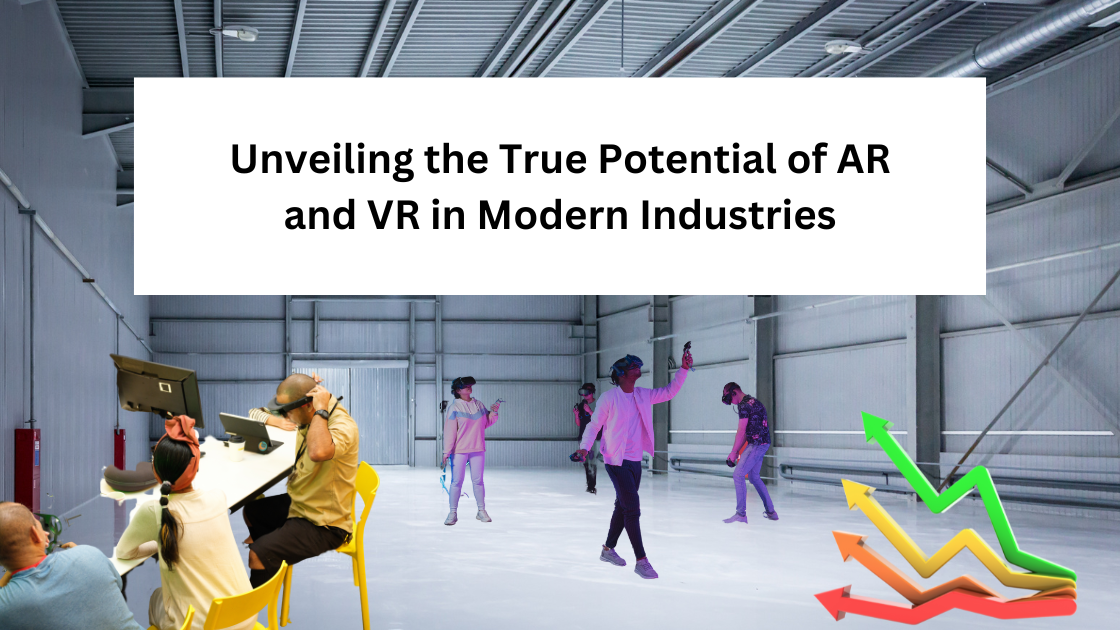
The gaming industry in 2024 is undergoing a transformative shift, thanks to the advancements in Augmented Reality (AR) and Virtual Reality (VR). These technologies are blurring the lines between the digital and physical worlds, providing immersive and interactive experiences that were once the stuff of science fiction. With global gaming revenues projected to exceed $200 billion, AR and VR are playing a crucial role in reshaping not only how games are played but also how they are developed, monetized, and experienced. This article explores the profound impact of AR and VR on the gaming industry in 2024, highlighting key advancements, challenges, and opportunities. The Evolution of AR and VR Gaming 2024 AR and VR have evolved significantly since their early days, with breakthroughs in hardware, software, and content creation. Early AR and VR Gaming Current State (2024) Technological Convergence Immersive Gameplay Experiences for AR VR Gaming 2024 AR and VR have revolutionized gameplay by enhancing immersion, interactivity, and emotional engagement. Virtual Reality: Total Immersion VR offers players the ability to step into fully realized virtual worlds where they can interact with objects, characters, and environments as if they were physically present. Augmented Reality: Real-World Integration AR enhances the physical environment with digital overlays, creating unique gameplay opportunities. Tactile Feedback and Haptics Transformative Game Genres and Titles for AR VR Gaming 2024 AR and VR are redefining traditional game genres while giving rise to new ones. Revolutionized Genres New and Emerging Genres Game Development and Design Innovations AR and VR are changing how games are developed, requiring new skills, tools, and design philosophies. Enhanced Game Engines User-Generated Content (UGC) Collaborative Development Monetization and Business Models for AR VR Gaming 2024 The rise of AR and VR has led to new monetization strategies, reshaping how developers and publishers generate revenue. Traditional Monetization Models Innovative Models Sponsorship and Advertising Challenges Facing AR and VR Gaming 2024 Despite their rapid growth, AR and VR gaming face several challenges that could impact their long-term success. Technical Limitations Content Availability Ethical and Social Issues Future Outlook and Opportunities for AR VR Gaming 2024 The future of AR and VR gaming is bright, with continued innovation expected in hardware, software, and player experiences. Emerging Technologies Expanding Markets Cultural Impact Conclusion In 2024, AR and VR are redefining the gaming industry by delivering immersive, interactive, and transformative experiences. From revolutionizing gameplay and development to creating new monetization models and business opportunities, these technologies are paving the way for the future of entertainment. While challenges remain, the potential for innovation is vast, making AR and VR gaming a critical frontier in the digital age. As the industry evolves, it will continue to captivate players, developers, and businesses, driving the next era of interactive entertainment. 4o

AI in Politics: How It’s Changing Global Strategies
Introduction Artificial intelligence (AI) has emerged as a transformative force in politics, reshaping global strategies in governance, policymaking, defense, and diplomacy. The rapid adoption of AI tools and technologies is influencing how nations address challenges, interact on the international stage, and manage their populations. Here’s a detailed look at the role of AI in politics and its impact on global strategies. AI in Policy Formulation and Governance for AI in Politics Governments are increasingly integrating AI into policymaking and administrative processes. Data-Driven Decision-Making AI systems analyze vast amounts of data to identify patterns and trends, enabling governments to: Streamlining Bureaucracy AI-powered automation is reducing inefficiencies in governance by: Ethical Considerations However, the use of AI in governance raises concerns about: AI in Elections and Political Campaigns for AI in Politics AI is revolutionizing electoral processes and campaign strategies. Micro-targeting and Personalized Campaigning AI algorithms analyze voter data to create personalized messages, making campaigns more effective: Election Security AI plays a dual role in elections: Digital Democracy AI tools enable direct engagement between politicians and constituents, fostering a participatory democracy. Platforms using chatbots or virtual assistants allow voters to pose questions and receive tailored responses. AI in Defense and National Security for AI in Politics The militarization of AI is reshaping global defense strategies. Autonomous Weapons AI-powered drones and robotic systems are being developed for: Cyber-security AI is crucial for detecting and neutralizing cyber threats: Ethical and Strategic Implications The use of AI in defense raises several concerns: AI in Diplomacy and International Relations AI is increasingly used to navigate complex global issues. Predictive Analytics AI helps predict international trends and conflicts by analyzing: AI in Negotiation Advanced AI tools simulate negotiation scenarios, preparing diplomats with strategies that maximize outcomes. AI in Global Cooperation AI fosters collaboration through initiatives like: However, these applications also create geopolitical competition as nations vie for AI dominance. AI in Shaping Public Opinion and Social Control for AI in Politics Governments and political entities leverage AI for managing public perception and control. State Surveillance AI technologies like facial recognition and predictive policing are being deployed to: Propaganda and Misinformation AI-generated content (e.g., deepfakes, bots) is used to spread propaganda: Challenges to Freedom The integration of AI in governance and media control poses risks to democratic freedoms, especially in authoritarian regimes. AI in Economic Strategies and Trade for AI in Politics AI is a critical component of economic strategy in the geopolitical arena. AI as a Competitive Advantage Countries with advanced AI capabilities gain an edge in: Tech Rivalries The competition between major powers like the U.S. and China highlights AI’s role in: Global AI Regulations and Cooperation The need for a unified approach to AI governance is becoming apparent. Regulatory Frameworks Countries and organizations are establishing AI regulations to address ethical and safety concerns: International Collaboration Initiatives like the Global Partnership on AI (GPAI) promote: Challenges Despite efforts, achieving consensus on global AI governance is difficult due to competing interests and ethical perspectives. Future Prospects: AI and Political Evolution for AI in Politics The role of AI in politics will continue to evolve, with several trends likely to shape the future: Conclusion for AI in Politics AI is not just a tool but a transformative force in politics, influencing everything from governance to global diplomacy. While it offers immense potential to solve complex problems, it also presents significant challenges, including ethical dilemmas, privacy concerns, and the risk of geopolitical conflicts. The integration of AI into political strategies will determine how nations navigate the 21st century, balancing technological innovation with the principles of democracy and human rights. As AI continues to evolve, its impact on politics will deepen, reshaping the global landscape in unprecedented ways. The challenge lies in ensuring that AI serves as a force for good, promoting equity, peace, and progress in an increasingly interconnected world.
Meta Horizon Worlds: The Future of VR Socializing
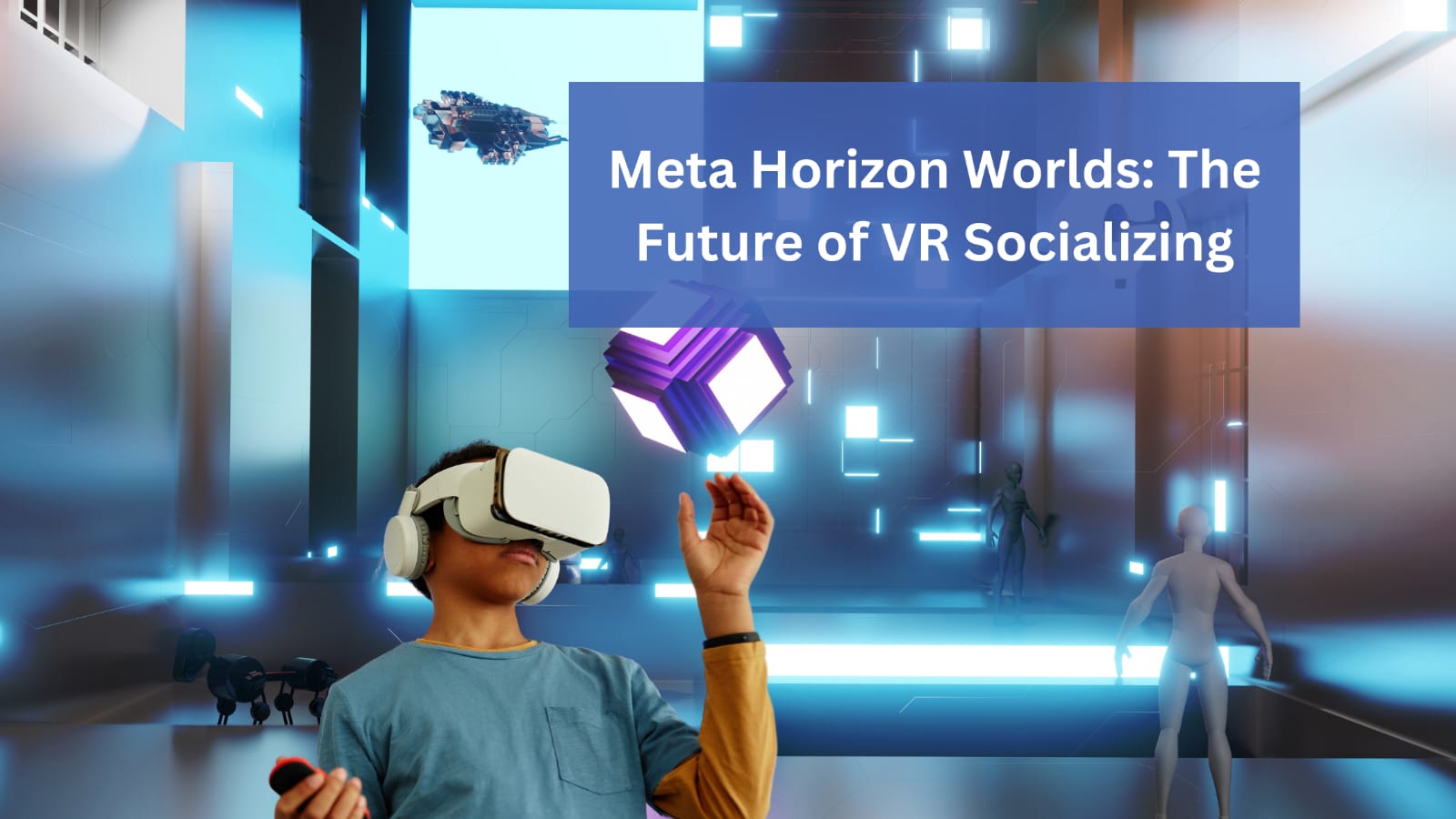
Meta Horizon Worlds, a flagship product from Meta (formerly Facebook), represents a bold leap into the future of virtual reality (VR) socializing. This immersive platform allows users to interact, create, and explore in an entirely digital space. By combining advanced VR technology with the dynamics of social interaction, Meta Horizon Worlds is redefining how people connect and collaborate. This article dives deep into the transformative potential of Meta Horizon Worlds, covering its features, user experience, applications, challenges, and its role in the broader meta-verse vision. Introduction to Meta Horizon Worlds Meta Horizon Worlds exemplifies Meta’s vision for a connected and immersive virtual space. With VR as its foundation, it allows users to create and share virtual environments, interact in real-time, and foster a sense of presence that traditional online platforms cannot achieve. Released to the public in late 2021, the platform has since evolved, incorporating cutting-edge features to enhance its appeal. What is Meta Horizon Worlds? Meta Horizon Worlds is a free-to-use VR social platform accessible through Meta’s VR devices, like the Meta Quest 2 and Meta Quest Pro. It serves as a sandbox environment where users can create custom worlds, host events, and engage in interactive experiences. The platform merges the creativity of sandbox gaming with the connectivity of social media, creating a hybrid space for interaction and expression. Key Features for Meta Horizon Worlds Immersive Social Spaces Horizon Worlds provides a range of virtual environments, from cozy lounges to expansive landscapes. These spaces are designed to foster interaction, enabling users to host gatherings, parties, or even professional events. The platform’s avatars, which reflect users’ expressions and movements, enhance the feeling of being present with others. User-Generated Content One of the standout features is the ability for users to create their own worlds using intuitive tools. From designing a serene virtual garden to crafting an intricate game level, the creative possibilities are endless. This fosters a sense of ownership and encourages users to contribute to the platform’s growth. Multiplayer Interaction Horizon Worlds is inherently social, offering multiplayer experiences where users can play games, solve puzzles, or simply hang out. The platform supports collaborative activities, allowing users to build or explore together in real time. Technology Behind Meta Horizon Worlds The backbone of Horizon Worlds is Meta’s advanced VR ecosystem, which includes: Applications in Various Domains for Meta Horizon Worlds Social Interaction Meta Horizon Worlds transforms how people socialize online. Whether it’s a virtual birthday party, a casual meetup, or a large-scale event, the platform creates opportunities for meaningful connections in a virtual space. Education and Training Educational institutions and training programs can use Horizon Worlds to create interactive simulations and virtual classrooms. This enhances learning experiences by making abstract concepts tangible and engaging. Business and Collaboration For remote teams, Horizon Worlds provides a virtual office space. Professionals can host meetings, brainstorm ideas, and collaborate on projects in a more interactive and engaging way than traditional video calls. Gaming and Entertainment Horizon Worlds integrates gaming elements, allowing users to participate in custom games or even design their own. Virtual concerts, movie screenings, and interactive storytelling are just some of the entertainment possibilities. The Evolution of Virtual Communities for Meta Horizon Worlds Horizon Worlds signifies a shift from passive social media platforms to active virtual communities. It encourages participation and creation, empowering users to shape their digital experiences. This evolution aligns with the broader trend of the meta-verse, where virtual spaces become extensions of real-life communities. User Experience in Meta Horizon Worlds Horizon Worlds prioritizes accessibility and immersion. The user interface is designed to be intuitive, even for those new to VR. Avatars with customizable features and real-time responsiveness enhance the sense of individuality and presence. The platform supports voice communication and spatial gestures, making interactions feel natural. Meta’s focus on inclusivity ensures that Horizon Worlds accommodates users from diverse backgrounds and abilities. Challenges and Criticisms for Meta Horizon Worlds Privacy and Safety As with any social platform, concerns about privacy, data security, and online harassment are prevalent. Meta must implement robust moderation tools and privacy controls to protect users. Accessibility While Horizon Worlds is free, it requires a Meta VR headset, which can be expensive and limits accessibility. Content Moderation User-generated content brings creativity but also poses challenges in moderating inappropriate or harmful material. Learning Curve For users unfamiliar with VR, navigating and creating in Horizon Worlds can initially feel overwhelming. Comparative Analysis for Meta Horizon Worlds Horizon Worlds competes with platforms like VRChat, Rec Room, and AltspaceVR. While all offer social VR experiences, Horizon Worlds stands out for its integration with Meta’s ecosystem and user-friendly creation tools. However, VRChat offers a more expansive library of user-generated worlds, and Rec Room caters more to casual gamers. The Role of Meta Horizon Worlds in the Metaverse Horizon Worlds is a cornerstone of Meta’s met-averse strategy. It exemplifies the concept of interconnected virtual spaces where people can work, play, and socialize. By fostering user engagement and collaboration, Horizon Worlds sets the stage for the meta-verse to evolve into a vibrant, user-driven ecosystem. Future Prospects for Meta Horizon Worlds Conclusion Meta Horizon Worlds is a transformative platform at the forefront of VR socializing. By blending creativity, connectivity, and immersive technology, it redefines how people interact in the digital age. While challenges remain, its potential to revolutionize industries and foster global communities is undeniable. As the meta-verse vision continues to unfold, Meta Horizon Worlds is poised to play a pivotal role in shaping the future of digital interaction. Whether you’re a creator, gamer, professional, or social butterfly, this platform offers endless opportunities to explore, connect, and create.