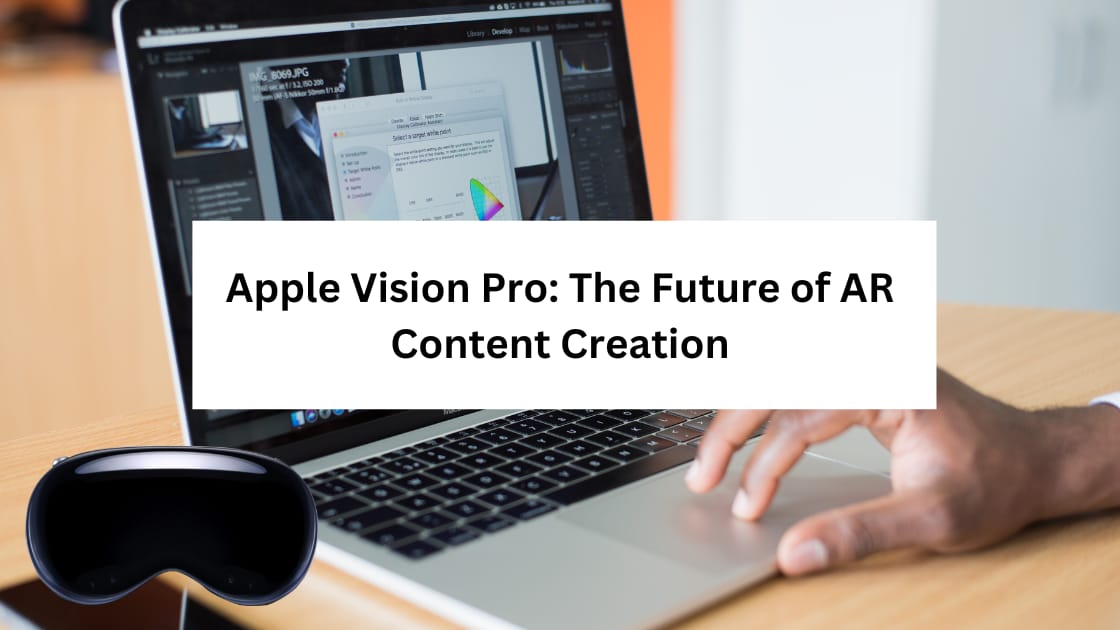
IntroductionApple’s Vision Pro, unveiled in 2023, marks a bold jump into the world of spatial computing. As the company’s first mixed-reality headset, it promises an immersive experience that blends the digital and physical worlds seamlessly. With a focus on augmented reality (AR) and virtual reality (VR) integration, Vision Pro showcases Apple’s ambition to revolutionize how we interact with technology. But does it live up to the hype? This review dives deep into the Vision Pro’s design, performance, user experience, applications, and potential drawbacks. Apple Vision Pro Review , Apple AR Headset, best AR/VRHardware Apple’s Vision Pro embodies the brand’s signature elegance and attention to detail. The device is crafted from lightweight materials, including aluminum and glass, to ensure durability while maintaining a premium feel. Headset Design: The smooth and glossy, futuristic design features a front panel that reflects the surrounding environment, giving it a sophisticated, almost sci-fi appearance. It’s ergonomically shaped to fit comfortably on the user’s head. Comfort and Fit: Apple has implemented an adjustable headband and cushioned face pads, ensuring a yet comfortable fit for extended wear. Users report that it feels lightweight despite its substantial hardware. Display Quality: Vision Pro boasts dual 4K micro-OLED displays, offering stunning resolution and clarity. The visuals are crisp, with vibrant colors and deep opposite that enhance the AR/VR experience. Verdict on Design: The Vision Pro stands out as a meticulously designed device that balances form and function, delivering a high level of comfort and aesthetic appeal. Apple Vision Pro review introduces a revolutionary hands-free control system that redefines user interaction. Eye Tracking: One of the standout features is its advanced eye-tracking technology. The headset detects eye movements to navigate menus and select options, making the experience intuitive and responsive. Hand Gestures: Users can perform various tasks using simple hand gestures, like pinching to select or swiping to scroll, all without needing a physical controller. Voice Commands: Integrated with Siri, Vision Pro responds seamlessly to voice commands, adding another layer of convenience. Verdict on Controls: The combination of eye-tracking, gesture controls, and voice commands makes the Vision Pro one of the most intuitive spatial computing devices on the market. Hardware Apple Vision Pro is powered by the M2 chip, to go together by a dedicated R1 chip for real-time sensor processing. Processing Power: The M2 chip ensures smooth performance, capable of handling intensive AR/VR applications without lag. The R1 chip processes input from 12 cameras, 5 sensors, and 6 microphones with minimal latency. Battery Life: Vision Pro’s battery life has been a topic of debate. The device can operate for about two hours on a single charge, which might be limiting for extended use but is sufficient for typical sessions. Audio Experience: Spatial audio technology helps immersion, providing dynamic, 3D sound that adapts to the user’s position and movements. Verdict on Performance: Vision Pro delivers cutting-edge performance, though the battery life may be a concern for some users. Apple Vision Pro excels in integrating with the Apple ecosystem and offers a wide range of applications for productivity, entertainment, and more. Productivity Applications: Vision Pro transforms the workspace by enabling users to set up virtual monitors, collaborate in AR environments, and gets help to Apple’s suite of productivity tools like Pages, Keynote, and Safari. Entertainment: This device supports immersive experiences through Apple TV, Disney, and other streaming services. Users can watch content on a virtual 100-inch screen with surround sound. Gaming: While Apple isn’t traditionally known for gaming, Vision Pro’s capabilities open new doors for immersive gaming experiences. Developers are actively working to create AR/VR games for the platform. Seamless Apple Ecosystem Integration: Vision Pro syncs with other Apple devices, allowing users to access content from iPhones, iPads, and Macs. This integration enhances the overall user experience. Verdict on Applications: Apple Vision Pro’s potential is vast, especially for productivity and entertainment, with its success hinging on developer support and ecosystem growth. Apple Vision Pro is designed for various applications, from work to leisure. Virtual Workspaces: Professionals can create virtual workspaces with multiple screens and dynamic tools. The immersive environment boosts focus and creativity. Remote Collaboration: Teams can meet in virtual spaces, share content, and collaborate in real-time, making remote work more engaging and interactive. Creative Expression: Artists and designers can use Vision Pro to create 3D art, visualize architectural designs, or explore new forms of digital expression. Wellness and Meditation: Vision Pro also offers applications for guided meditation and wellness, providing serene virtual environments for relaxation. Verdict on Use Cases: The versatility of Vision Pro positions it as a game-changer for professionals, creatives, and casual users alike. Apple has emphasized privacy and security in the Vision Pro’s design. On-Device Processing: Sensitive data, such as eye-tracking information and facial recognition, is processed locally on the device to ensure privacy. Optic ID: Apple introduces Optic ID, a new biometric authentication method that scans the user’s iris to unlock the device, ensuring security while maintaining convenience. Data Protection: Apple’s commitment to data protection extends to AR/VR applications, ensuring that user data is never shared without explicit consent. Verdict on Privacy: Apple Vision Pro sets a high standard for privacy and security in the AR/VR space, providing peace of mind for users. Despite its impressive features, Vision Pro has a few notable drawbacks: Price: At a starting price of $3,499, the Vision Pro is significantly expensive than most competing devices, potentially limiting its accessibility. Battery Life: The two-hour battery life is a concern, particularly for users seeking longer immersive sessions. Limited Content Library: As a new platform, Vision Pro’s content library is still growing. The success of the device depends on how quickly developers create applications. Verdict on Limitations: Vision Pro’s high price and limited battery life may discourage some users, though its innovative features justify the premium for early adopters. Conclusion: Apple Vision Pro is a groundbreaking device that redefines spatial computing. With its smooth and glossy design, intuitive controls, and powerful performance, it offers a glimpse into the future of AR and VR. While
Project Starline: The Future of Realistic 3D Calls
Introduction to Google Project Starline In a world increasingly reliant on remote communication, Google’s Project Starline promises to revolutionize how people connect over long distances. Imagine being able to speak with someone as though they were sitting directly across from you, capturing every nuance, gesture, and expression in lifelike 3D. This is the vision of Project Starline, an experimental Google project that uses a combination of advanced 3D imaging, machine learning, and high-resolution displays to create immersive video calls that go beyond traditional 2D screens. Let’s explore the technology behind Project Starline, its potential impact, challenges, and what it might mean for the future of communication. Introduction to Project Starline Project Starline is a cutting-edge video conferencing system in development at Google that aims to make virtual communication feel as natural and engaging as an in-person conversation. Announced at Google I/O 2021, Project Starline combines a range of technologies to create realistic 3D models of participants, allowing users to interact as if they were face-to-face. Unlike standard video calls, which display a flat image on a screen, Project Starline creates a holographic effect, making the other person appear in three-dimensional space. The Technology Behind Project Starline For Google Project Starline Project Starline leverages several sophisticated technologies that work in harmony to create an immersive communication experience. Here’s a look at some of the key components: High-Resolution 3D Imaging Project Starline captures high-resolution images of participants using a specialized camera setup that enables real-time 3D imaging. The system uses multiple cameras positioned strategically to capture different angles of the person. These cameras generate detailed depth maps, which allow the system to create a three-dimensional representation of the user. Light Field Display Technology The display in Project Starline is a “light field” display, which differs significantly from traditional screens. A light field display can project light in such a way that it appears to be emanating from a specific point in space, rather than from a flat surface. This allows the image of the person to have depth, making it possible to look around objects and see the person from slightly different angles. This adds a layer of realism that is absent in typical 2D video calls. Machine Learning for Depth Sensing and Rendering Machine learning algorithms play a crucial role in processing and rendering the vast amounts of data required to create a real-time 3D model. The algorithms use depth-sensing technology to map the contours of the user’s face and body with great precision, helping to maintain clarity and lifelike fidelity even as they move. Additionally, machine learning algorithms optimize the data transmission process, reducing latency and ensuring smooth, realistic movement. Spatial Audio Sound is just as crucial to realistic communication as visuals, so Project Starline incorporates spatial audio technology, which gives participants a sense of where the sound is coming from in three-dimensional space. This audio precision further enhances the feeling of presence, as it mimics how we perceive sound in real-life face-to-face conversations. How Project Starline Works in Practice For Google Project Starline Using Google Project Starline is designed to be as simple as sitting down at a table. The user sits in front of a large screen embedded with an array of cameras, microphones, and sensors. When the call begins, the other person appears as a life-sized 3D representation across from them. Project Starline’s technology recreates the subtleties of face-to-face communication, from eye contact to body language, making remote interactions feel more authentic and meaningful. Because it captures and displays in 3D, the technology overcomes many of the limitations of traditional video calls, such as flat images and delayed reactions. Project Starline provides a level of visual fidelity that allows users to notice subtle non-verbal cues, which are often lost in traditional video conferencing. Applications and Potential Impact of Project Starline For Google Project Starline The immersive experience offered by Google Project Starline opens up numerous applications across various fields: Business and Corporate Communication In the business world, Google Project Starline could enhance communication between remote teams, allowing for more natural discussions and enabling better collaboration. It could be particularly valuable for situations where in-person interaction is essential, such as client meetings, interviews, and negotiations, offering an in-person feel that 2D video calls cannot replicate. Healthcare and Telemedicine Project Starline’s realistic 3D interactions could transform telemedicine by allowing doctors to interact more naturally with patients. The enhanced visual quality enables physicians to observe physical symptoms more closely, such as facial expressions and gestures, improving diagnostic accuracy and patient trust. Education and Training In educational settings, Project Starline could facilitate interactive, one-on-one sessions that mimic in-person tutoring. For corporate training, the technology could provide realistic, virtual hands-on experiences that can be especially beneficial in fields requiring specialized skills or face-to-face mentorship. Social and Family Interactions Perhaps one of the most compelling applications of Project Starline is for personal use. Imagine being able to see loved ones in 3D, making remote family gatherings and social interactions feel far more intimate and connected. The realistic nature of the calls would allow people to feel present with their family and friends, even when they’re miles apart. Advantages of Project Starline over Traditional Video Calls For Google Project Starline Google Project Starline offers several unique advantages over conventional video conferencing: Challenges Facing Project Starline For Google Project Starline While Google Project Starline holds great promise, it also faces several challenges: Technical Complexity and Infrastructure Project Starline’s 3D imaging and light field display require specialized hardware and infrastructure, which is complex and costly to implement. Developing a system that can produce high-quality 3D calls in real time without requiring prohibitively expensive equipment is a significant hurdle. The vast amounts of data required for high-resolution 3D video and spatial audio can strain existing internet infrastructure. Ensuring smooth and reliable transmission without delays will require significant bandwidth and advanced data compression algorithms. Privacy and Security Concerns With the use of multiple cameras and depth-sensing technology, Project Starline collects a large amount of personal data. Ensuring
Apple Vision Pro: The Future of AR Content Creation
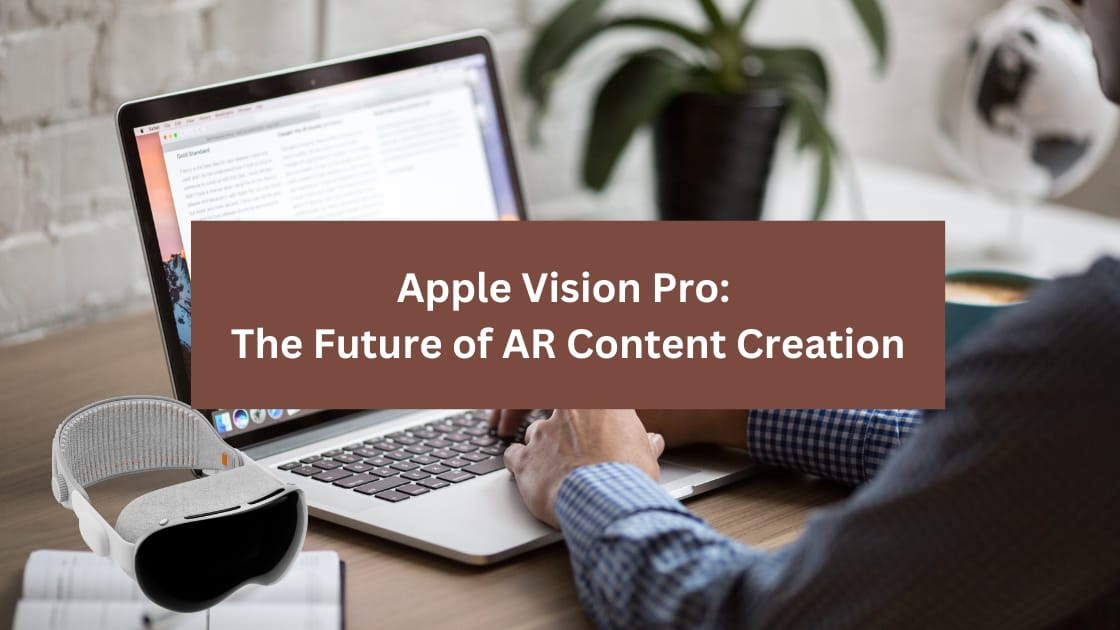
Apple Vision Pro represents a groundbreaking leap into augmented reality (AR), seamlessly merging the digital and physical worlds. With its advanced hardware, immersive display, and robust software ecosystem, the Vision Pro is set to revolutionize AR content creation. Designed to redefine how creators, developers, and consumers interact with augmented environments, it promises to elevate storytelling, design, education, gaming, and more. This article explores the innovative features of Apple Vision Pro, its potential to transform AR content creation, and its implications for various industries. The Vision Pro Hardware: Redefining AR Technology for Apple Vision Pro AR Apple Vision Pro boasts an array of cutting-edge hardware features that set it apart from other AR devices. The meticulous design and powerful internals make it a game-changer in AR content creation. At the heart of Vision Pro is a stunning micro-OLED display that offers ultra-high resolution. Each eye experiences 4K resolution, delivering crystal-clear images that blur the line between the virtual and real world. For AR creators, this means the ability to render content with unprecedented clarity, enabling lifelike simulations, detailed 3D models, and vibrant visuals. b.M2 and R1 Chips for Seamless Processing Vision Pro is powered by Apple’s M2 chip and the R1 chip, ensuring smooth, lag-free AR experiences. The M2 handles complex computations, while the R1 processes sensor input in real-time. This allows creators to develop sophisticated AR content with intricate animations, responsive interactions, and fluid transitions without compromising performance. c.Advanced Sensor Suite The device features an array of cameras, LiDAR sensors, and eye-tracking technology. These sensors capture precise spatial data, enabling AR content to interact naturally with the physical environment. For creators, this means the ability to produce content that dynamically adapts to surroundings, opening new possibilities for interactive storytelling and design. Software Ecosystem: Vision OS and ARKit Evolution for Apple Vision Pro AR Apple’s software ecosystem is a critical component of the Vision Pro’s potential. Vision OS, the dedicated operating system for Vision Pro, offers new tools and APIs that enhance AR development. VisionOS provides a spatial computing platform where users can interact with AR content using gestures, voice commands, and eye movements. This hands-free interaction paradigm allows creators to design intuitive and immersive user experiences. VisionOS supports multitasking, enabling creators to run multiple AR applications simultaneously, enhancing productivity in AR design workflows. b. ARKit 7: Enhanced Capabilities for AR Development Apple’s ARKit has evolved significantly, and with Vision Pro, ARKit 7 introduces features like advanced scene understanding, real-time occlusion, and improved physics simulation. Developers can create more realistic and context-aware AR content, making experiences more engaging and believable. Revolutionizing Content Creation Across Industries for Apple Vision Pro AR Apple Vision Pro is poised to transform AR content creation in various industries, from entertainment and education to healthcare and architecture. The Vision Pro offers unparalleled opportunities for content creators in the entertainment industry. Filmmakers can craft immersive narratives where viewers become active participants. Game developers can create highly interactive and immersive AR games with lifelike graphics and real-world integration, setting new standards in AR gaming experiences. b. Education and Training In education, Vision Pro can bring AR content to life, offering students immersive learning experiences. Teachers can create interactive lessons where historical events are reenacted, complex scientific concepts are visualized in 3D, or anatomical structures are explored in detail. For professional training, Vision Pro enables realistic simulations for fields like medicine, engineering, and aviation. c. Healthcare and Medical Innovation Vision Pro’s precise tracking and high-resolution display can revolutionize medical training and patient care. Surgeons can practice complex procedures in a risk-free virtual environment, while medical educators can create detailed AR models of human anatomy for training. Additionally, the device’s AR capabilities can assist in remote diagnosis and patient monitoring. d. Architecture and Design Architects and designers can use Vision Pro to visualize projects in augmented space, enabling clients to experience designs in real scale before construction begins. The ability to overlay digital models onto physical spaces allows for real-time design adjustments and collaboration. Interior designers can showcase virtual furniture and decor placements with precise spatial accuracy. Creative Empowerment: Democratizing AR Content Creation For Apple Vision Pro AR One of Apple’s key strengths lies in its ability to democratize technology, and Vision Pro is no exception. It empowers a broader range of creators to develop AR content, even those without extensive coding experience. a. User-Friendly Development Tools With intuitive development environments like Swift Playgrounds and Reality Composer, Apple lowers the barrier to entry for AR content creation. Creators can prototype AR experiences quickly, experiment with designs, and iterate without requiring complex programming skills. b. Collaboration and Remote Creativity Vision Pro’s collaborative features enable remote teams to co-create AR content in real time. Designers, developers, and clients can collaborate on AR projects from different locations, enhancing creativity and productivity. Challenges and Ethical Considerations for Apple Vision Pro AR Despite its potential, the Vision Pro’s entry into AR content creation raises challenges and ethical considerations. a. Privacy and Data Security Vision Pro’s extensive use of cameras and sensors for environment mapping raises concerns about user privacy. Ensuring that data is processed securely and locally will be critical to building trust among users and creators. b. Content Moderation and AR Ethics As AR content becomes more pervasive, questions about content moderation, misinformation, and ethical use will become more pressing. Apple will need to implement robust guidelines and tools to prevent the misuse of AR technology. Apple Vision Pro marks the beginning of a new era in AR content creation, but it is only the first step. As developers and creators explore its potential, we can expect to see rapid innovation and the emergence of new AR applications that we cannot yet imagine. The device’s integration into Apple’s broader ecosystem, including the App Store and iCloud, will further accelerate the adoption and evolution of AR content. a. Expanding Developer Ecosystem Apple’s commitment to supporting developers through resources, events like WWDC, and continuous updates to ARKit will ensure a thriving ecosystem for AR content creation.
The Microsoft HoloLens 3: How It’s Redefining Industrial AR Applications
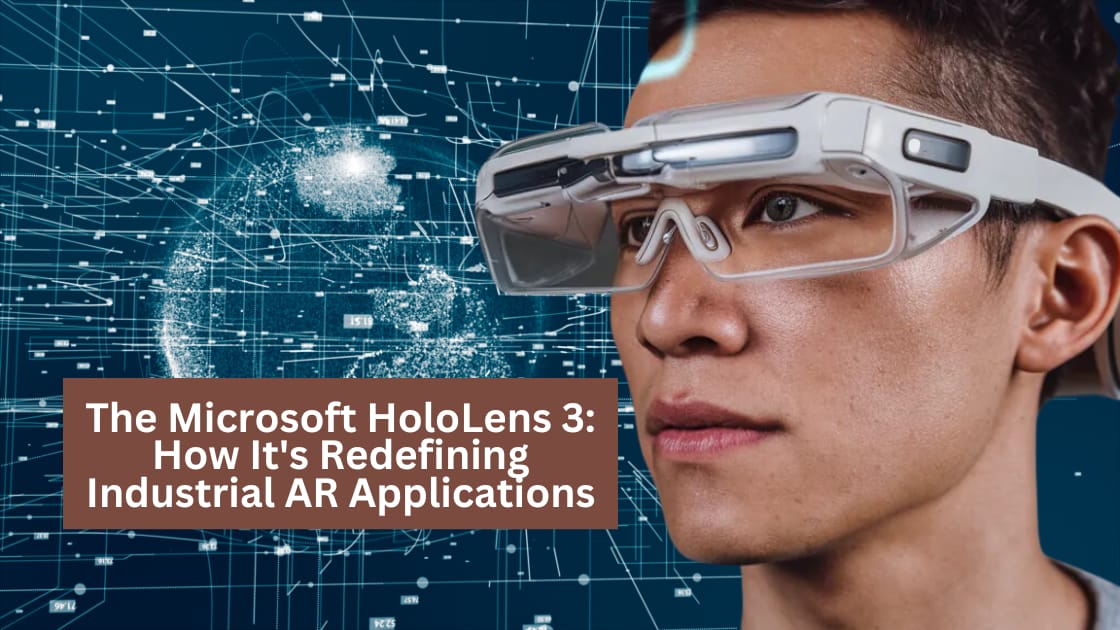
The release of Microsoft HoloLens 3 marks a pivotal moment in the evolution of Augmented Reality (AR) technology. Designed specifically to meet the growing demands of industrial applications, HoloLens 3 builds upon the success of its predecessors with enhanced hardware, improved AI integration, and industry-specific features. From manufacturing and healthcare to logistics and defense, HoloLens 3 is transforming the way businesses operate by offering immersive, hands-free solutions that drive productivity, efficiency, and safety. This article explores the innovative features of HoloLens 3, its impact on various industries, and its potential to reshape the industrial landscape. 1. A Brief History of Microsoft HoloLens for Microsoft Hololens 3 Industrial AR Microsoft launched the original HoloLens in 2016 as the first self-contained, holographic computer. It introduced the concept of mixed reality (MR) by merging real-world environments with digital overlays. HoloLens 2, released in 2019, improved on the original with a more ergonomic design, better field of view, and advanced hand-tracking. HoloLens 3 builds on these innovations, targeting industrial applications with cutting-edge features designed to solve complex industry challenges. 2. Key Features of HoloLens 3 for Microsoft Hololens 3 Industrial AR HoloLens 3 boasts several technological advancements that set it apart: 3. Industrial Applications of HoloLens 3 for Microsoft Hololens 3 Industrial AR Manufacturing and Assembly 4. AI Integration: Enhancing Industrial Processes for Microsoft Hololens 3 Industrial AR 5. Remote Collaboration and Training for Microsoft Hololens 3 Industrial AR 6. Safety and Compliance Benefits for Microsoft Hololens 3 Industrial AR 7. Challenges and Limitations For Microsoft Hololens3 Industrial AR 8. The Future of Industrial AR with HoloLens 3 for Microsoft Hololens 3 Industrial AR HoloLens 3 is paving the way for the future of industrial AR, with continuous advancements expected in AI integration, hardware miniaturization, and industry-specific applications. Microsoft’s focus on enterprise solutions positions HoloLens 3 as a critical tool for digital transformation in industrial sectors. 9. Conclusion: A New Era of Industrial Innovation The Microsoft HoloLens 3 represents a significant leap forward in industrial AR applications. By combining advanced AR technology with powerful AI capabilities, it is redefining how industries approach manufacturing, healthcare, logistics, and defense. As businesses continue to adopt AR solutions, HoloLens 3 is poised to play a central role in driving innovation, enhancing productivity, and ensuring safety in industrial environments. 10. FAQs: Everything You Need to Know 1. What is Microsoft HoloLens 3?HoloLens 3 is Microsoft’s latest AR headset designed for industrial applications, offering advanced AI integration and enhanced AR capabilities. 2. How does HoloLens 3 improve manufacturing processes?HoloLens 3 provides hands-free access to step-by-step instructions, real-time data overlays, and predictive maintenance insights, improving efficiency and accuracy. 3. Can HoloLens 3 be used in healthcare?Yes, HoloLens 3 enhances surgical precision, enables remote consultations, and provides immersive training for medical professionals. 4. What industries benefit most from HoloLens 3?Industries such as manufacturing, healthcare, logistics, and defense benefit significantly from HoloLens 3’s AR and AI capabilities. 5. How does HoloLens 3 enhance safety in industrial environments?HoloLens 3 provides real-time hazard alerts, guides workers through safety protocols, and documents incidents for compliance audits. 6. Is HoloLens 3 suitable for small businesses?While the device is more suited for large enterprises due to its cost, smaller businesses may benefit from its productivity and efficiency gains. 7. What is the role of AI in HoloLens 3?AI enhances spatial computing, provides predictive insights, and enables natural language interactions, making industrial processes more efficient. 8. How does HoloLens 3 support remote collaboration?HoloLens 3 allows remote experts to guide on-site workers through complex tasks in real-time using holographic annotations. 9. What are the main limitations of HoloLens 3?The high cost, battery life limitations, and the learning curve for adoption are some of the primary challenges. 10. What’s next for Microsoft HoloLens?Microsoft is likely to focus on further AI integration, improved battery life, and expanding industry-specific solutions for HoloLens in future iterations.
Meta Quest for Dominance: New AI and AR Features Revealed at Connect 2024”
DATE: 28/11/2024 Introduction At Connect 2024, Meta once again showcased its commitment to leading the immersive technology revolution with groundbreaking advancements in Artificial Intelligence (AI) and Augmented Reality (AR). The event highlighted the company’s relentless pursuit to redefine how we work, play, and interact in the virtual and physical worlds. From revolutionary AR glasses to AI-driven virtual assistants, Meta’s unveiling solidified its quest for dominance in the metaverse and beyond. This article delves deep into the major AI and AR innovations revealed at Connect 2024 and their implications for the future. 1. Meta’s Vision for AI and AR For Meta Connect 2024 AI AR Meta’s CEO, Mark Zuckerberg, emphasized the company’s long-term vision: merging physical and digital realities seamlessly. He highlighted that AI and AR will not only enhance personal and professional lives but will also democratize access to immersive technology. Meta aims to create an ecosystem where AI can anticipate user needs, while AR bridges the gap between our digital and physical environments. 2. Meta Quest 3: A Leap in AR Integration Meta Connect 2024 AI Ar The Meta Quest 3, touted as the most advanced AR headset yet, was a central highlight. It introduces: Enhanced AR Passthrough: Users can seamlessly switch between AR and VR environments, enabling an immersive mixed-reality experience. Improved Display Technology: The Quest 3 boasts higher resolution displays, reducing the screen-door effect and offering vibrant visuals. Lighter, Sleeker Design: With a 40% reduction in weight compared to its predecessor, Quest 3 ensures comfort for extended use. New Spatial Sensors: These sensors map the environment in real-time, allowing users to interact with digital objects as if they were part of the physical world. 3. Advanced AI Assistants: Meta’s New Edge for Meta Connect 2024 AI AR Meta introduced AI assistants designed to personalize the user experience: Meta AI: A sophisticated assistant capable of understanding context, anticipating user actions, and adapting to individual preferences. AI-Powered Creativity Tools: These tools can help users generate art, music, or design layouts in AR environments with minimal input, showcasing the synergy between creativity and AI. Real-Time Translation: AI assistants now offer instant language translation in AR, making global collaboration seamless. 4. AR Glasses: Blurring the Line Between Real and Virtual for Meta Connect2024 AI AR Meta’s AR glasses, rumored for years, finally made their debut: Lightweight and Fashionable: Unlike bulky headsets, these glasses resemble regular eyewear, making AR more accessible and socially acceptable. Holographic Displays: Embedded micro-projectors create holographic overlays on the real world, allowing users to access information hands-free. Gesture Control: Users can interact with digital elements using intuitive gestures, thanks to advanced hand-tracking technology. Contextual AI: The glasses’ AI provides relevant information based on the environment, whether identifying landmarks or enhancing shopping experiences. 5. AI-Driven Avatars: The Future of Identity Meta Connect 2024 AI AR Meta unveiled AI-generated avatars that can mimic human expressions and emotions in real-time: Hyper-Realistic Avatars: These avatars replicate subtle facial expressions, body language, and even voice modulation, making virtual interactions feel lifelike. Customizable Personalities: Users can customize their avatars’ appearance and behavior, enabling a unique digital identity. Dynamic AI Learning: Avatars learn user preferences and communication styles, adapting over time to provide a more personalized experience. 6. Collaborative Workspaces in AR: A New Era of Productivity for Meta Connect 2024 AI AR Meta introduced AR-powered collaborative tools designed to revolutionize remote work: Virtual Meeting Rooms: Teams can collaborate in shared AR environments, manipulating 3D models or brainstorming on virtual whiteboards. Persistent AR Spaces: Users can leave virtual objects and notes in real-world locations, creating a continuous collaborative workspace. AI-Enhanced Productivity: AI assists by summarizing meetings, tracking tasks, and providing real-time insights to improve decision-making. 7. Gaming Innovations: Immersive Worlds Powered by AI For Meta Connect 2024 AI AR Gaming remains a cornerstone of Meta’s AR/VR ecosystem, and Connect 2024 unveiled exciting developments: AI-Generated Game Worlds: Developers can leverage AI to create expansive, dynamic game worlds that evolve based on player actions. Enhanced Multiplayer Experiences: AI manages in-game events and NPC behaviors to create more engaging and unpredictable multiplayer experiences. Cross-Platform Play: Meta’s AR and VR games are now more accessible across different devices, ensuring a unified gaming experience. 8. Privacy and Security in AI and AR for Meta Connect 2024 AI AR Meta addressed growing concerns about data privacy and security: End-to-End Encryption: All interactions in AR and AI-driven environments are encrypted to protect user data. User-Controlled AI: Users have the power to manage what data AI assistants access, ensuring transparency and control. Ethical AI Framework: Meta committed to developing AI that adheres to ethical guidelines, prioritizing user safety and inclusivity. 9. Conclusion: Meta’s Path to the Future Meta’s announcements at Connect 2024 underscore its commitment to redefining the intersection of AI, AR, and human experience. By enhancing hardware, refining AI capabilities, and addressing privacy concerns, Meta positions itself as a leader in the next technological frontier. As these innovations roll out, they promise to transform how we connect, create, and collaborate. 10. FAQs: Everything You Need to Know 1. What is Meta Quest 3, and how does it differ from previous models?Meta Quest 3 is Meta’s latest AR headset, featuring advanced AR passthrough, improved displays, and a sleeker design compared to its predecessors. 2. How do Meta’s AR glasses work?Meta’s AR glasses use micro-projectors to display holographic overlays and advanced sensors for gesture control, creating a seamless AR experience. 3. What are the main features of Meta AI?Meta AI offers real-time context understanding, language translation, and creativity tools designed to enhance productivity and user experience. 4. Are the AI-driven avatars customizable?Yes, users can personalize their avatars’ appearance, voice, and behavior, ensuring a unique digital identity. 5. What privacy measures has Meta implemented for its AI and AR technologies?Meta uses end-to-end encryption, user-controlled AI data access, and follows an ethical AI framework to prioritize privacy and security. 6. Can Meta’s AR tools be used for remote work?Absolutely. Meta’s AR-powered collaborative workspaces enable virtual meetings, 3D model manipulation, and persistent AR spaces for enhanced
Meta AI Boosts AR Interaction for Social Media 2024
Introduction In recent years, Meta AI Boosts AR convergence of Artificial Intelligence (AI) and Augmented Reality (AR) has revolutionized how people interact with digital content. At the forefront of this technological evolution is Meta AI Boosts AR, formerly known as Facebook, which has been driving innovation in AR interactions for social media. By integrating advanced AI into AR capabilities, Meta is redefining how users create, share, and engage with content across its platforms. This detailed discussion explores how Meta AI boosts AR interaction for social media, the implications for user experience, and the broader impact on the industry. 1. The Importance of AR in Social Media for Meta AI AR Updates AR transforms how we interact with social media by overlaying digital elements onto the real world. This immersive technology enhances the storytelling experience, allowing users to bring their creativity to life with filters, effects, and interactive elements. From playful face filters on Instagram to virtual backgrounds in Messenger, AR has become a staple feature in social media platforms. The significance of AR lies in its ability to: Increase User Engagement: Dynamic and interactive AR content keeps users entertained and engaged. Enable Personalized Experiences: AR adapts to individual preferences, enhancing the sense of connection. Foster Creativity: Users can craft unique, visually stunning content using AR tools. Meta recognizes the potential of AR and has invested heavily in advancing its capabilities, particularly through AI integration. 2. Meta’s Vision for AI-Driven AR in Social Media for Meta AI AR Updates Meta’s vision centers on creating immersive and connected digital experiences. AI plays a pivotal role in making AR more interactive and intelligent. By combining AR and AI, Meta AI Boosts AR aims to: Create realistic and context-aware Meta AI Boosts AR experiences. Enhance communication and storytelling on its platforms. Build a foundation for its larger meta-verse ambitions, where AR is integral to virtual interaction. Meta’s focus on leveraging AI to boost AR interaction highlights its commitment to setting the standard for next-generation social media platforms. 3. How AI Enhances AR Capabilities For Meta AI AR Updates Artificial Intelligence serves as the backbone of modern Meta AI Boosts AR experiences by powering features that make interactions seamless, intuitive, and personalized. Key areas where AI enhances AR include: Real-Time Object and Environment Mapping AI enables Meta AI Boosts AR systems to analyze and understand real-world environments in real time. This capability allows AR filters and effects to interact seamlessly with the surroundings. For instance, AI can map a user’s face or recognize objects in the background, enabling more realistic overlays. Gesture and Motion Recognition AI-powered AR can detect and interpret user gestures and movements. This advancement allows users to interact with AR elements without touching their devices, opening doors to hands-free experiences. Content Personalization AI uses machine learning to analyze user behavior and preferences, enabling Meta AI Boosts AR experiences that feel tailor-made. For example, AI suggests AR effects based on the user’s past interactions and trends. Natural Language Processing (NLP) Through NLP, AI can integrate voice commands into Meta AI Boosts AR experiences. Users can activate filters or effects by speaking, making interactions more intuitive. 4. Meta’s Innovations in AI-Powered AR for Social Media For Meta AI AR Updates Meta has introduced several AI-driven Meta AI Boosts AR features across its platforms to enhance social media interactions: Instagram Instagram’s AR filters have become a hallmark of the platform, ranging from fun facial effects to interactive games. AI enables these filters to: Adapt to facial expressions and movements in real time. Offer contextual effects based on surroundings or user input. Personalize recommendations based on trends and user preferences. Meta also leverages AI to power Instagram’s Spark Meta AI Boosts AR Studio, a platform that allows creators to develop their custom AR effects, fostering a vibrant community of AR developers. Facebook and Messenger On Facebook and Messenger, AI enhances AR capabilities in features like: Virtual Backgrounds: AI-driven AR enables realistic and dynamic virtual backgrounds during video calls. Interactive Stickers and Effects: Users can add AI-powered AR stickers that respond to their movements or surroundings. Horizon Worlds and VR Integration Meta AI Boosts AR Horizon Worlds, a social VR platform, uses AR to create immersive virtual environments. AI ensures these environments are responsive, realistic, and collaborative, paving the way for more meaningful social interactions. 5. AR Advertising and AI’s Role for Meta AI AR Updates Meta AI Boosts AR AI-powered AR capabilities extend beyond personal use, transforming how brands approach social media marketing. AR advertising allows companies to create interactive ads that engage consumers in innovative ways. Benefits of AI-Powered AR Ads Enhanced Engagement: AR ads captivate users by letting them interact with products virtually, such as trying on clothes or makeup. Increased Conversion Rates: Interactive AR experiences drive consumer interest and purchases. Targeted Marketing: AI analyzes user behavior to deliver personalized AR ads, ensuring relevance and impact. Success Stories Several brands have leveraged Meta’s AI-powered AR tools to create memorable campaigns. For instance, beauty brands use AR to offer virtual try-ons, while automotive companies enable users to visualize vehicles in their driveways. 6. Social and Collaborative AR Experiences For Meta AI AR Updates Meta’s AI advancements also foster collaborative AR experiences, enabling users to interact with AR content together, even from different locations. Features like shared AR effects in video calls and multiplayer AR games enhance social connections and make interactions more engaging. 7. Challenges in AI-Driven AR for Social Media For Meta AI AR Updates While the integration of AI and AR offers numerous benefits, it also presents challenges: Privacy Concerns AI-driven AR collects vast amounts of data, including facial recognition and environmental mapping. Ensuring this data is handled securely and transparently is critical. Misinformation Realistic AR effects powered by AI could be misused to create deceptive content, such as deep-fakes. Accessibility Meta must ensure its AI-powered AR tools are inclusive, considering diverse user needs and capabilities. Cost of Development Developing and deploying advanced AI-powered AR tools requires significant investment, potentially limiting access

Project Starline: The Future of Realistic 3D Calls
Introduction to Google Project Starline In a world increasingly reliant on remote communication, Google’s Project Starline promises to revolutionize how people connect over long distances. Imagine being able to speak with someone as though they were sitting directly across from you, capturing every nuance, gesture, and expression in lifelike 3D. This is the vision of Project Starline, an experimental Google project that uses a combination of advanced 3D imaging, machine learning, and high-resolution displays to create immersive video calls that go beyond traditional 2D screens. Let’s explore the technology behind Project Starline, its potential impact, challenges, and what it might mean for the future of communication. 1. Introduction to Project Starline Project Starline is a cutting-edge video conferencing system in development at Google that aims to make virtual communication feel as natural and engaging as an in-person conversation. Announced at Google I/O 2021, combines a range of technologies to create realistic 3D models of participants, allowing users to interact as if they were face-to-face. Unlike standard video calls, which display a flat image on a screen, Project Starline creates a holographic effect, making the other person appear in three-dimensional space. 2. The Technology Behind Project Starline For Google Project Starline Project Starline leverages several sophisticated technologies that work in harmony to create an immersive communication experience. Here’s a look at some of the key components: 2.1 High-Resolution 3D Imaging Project Starline captures high-resolution images of participants using a specialized camera setup that enables real-time 3D imaging. The system uses multiple cameras positioned strategically to capture different angles of the person. These cameras generate detailed depth maps, which allow the system to create a three-dimensional representation of the user. 2.2 Light Field Display Technology The display in Project Starline is a “light field” display, which differs significantly from traditional screens. A light field display can project light in such a way that it appears to be emanating from a specific point in space, rather than from a flat surface. This allows the image of the person to have depth, making it possible to look around objects and see the person from slightly different angles. This adds a layer of realism that is absent in typical 2D video calls. 2.3 Machine Learning for Depth Sensing and Rendering Machine learning algorithms play a crucial role in processing and rendering the vast amounts of data required to create a real-time 3D model. The algorithms use depth-sensing technology to map the contours of the user’s face and body with great precision, helping to maintain clarity and lifelike fidelity even as they move. Additionally, machine learning algorithms optimize the data transmission process, reducing latency and ensuring smooth, realistic movement. 2.4 Spatial Audio Sound is just as crucial to realistic communication as visuals, so incorporates spatial audio technology, which gives participants a sense of where the sound is coming from in three-dimensional space. This audio precision further enhances the feeling of presence, as it mimics how we perceive sound in real-life face-to-face conversations. 3. How Project Starline Works in Practice For Google Project Starline Using Google is designed to be as simple as sitting down at a table. The user sits in front of a large screen embedded with an array of cameras, microphones, and sensors. When the call begins, the other person appears as a life-sized 3D representation across from them. Project Starline’s technology recreates the subtleties of face-to-face communication, from eye contact to body language, making remote interactions feel more authentic and meaningful. Because it captures and displays in 3D, the technology overcomes many of the limitations of traditional video calls, such as flat images and delayed reactions. Project Starline provides a level of visual fidelity that allows users to notice subtle non-verbal cues, which are often lost in traditional video conferencing. 4. Applications and Potential Impact of Project Starline For Google Project Starline The immersive experience offered by Google opens up numerous applications across various fields: 4.1 Business and Corporate Communication In the business world, Google could enhance communication between remote teams, allowing for more natural discussions and enabling better collaboration. It could be particularly valuable for situations where in-person interaction is essential, such as client meetings, interviews, and negotiations, offering an in-person feel that 2D video calls cannot replicate. 4.2 Healthcare and Telemedicine Project Starline’s realistic 3D interactions could transform telemedicine by allowing doctors to interact more naturally with patients. The enhanced visual quality enables physicians to observe physical symptoms more closely, such as facial expressions and gestures, improving diagnostic accuracy and patient trust. 4.3 Education and Training In educational settings, could facilitate interactive, one-on-one sessions that mimic in-person tutoring. For corporate training, the technology could provide realistic, virtual hands-on experiences that can be especially beneficial in fields requiring specialized skills or face-to-face mentorship. 4.4 Social and Family Interactions Perhaps one of the most compelling applications of is for personal use. Imagine being able to see loved ones in 3D, making remote family gatherings and social interactions feel far more intimate and connected. The realistic nature of the calls would allow people to feel present with their family and friends, even when they’re miles apart. 5. Advantages of Project Starline over Traditional Video Calls For Google Project Starline Google Project Starline offers several unique advantages over conventional video conferencing: Enhanced Realism: The 3D representation provides a level of realism and depth missing from typical video calls, making interactions more engaging and effective. Improved Non-Verbal Communication: Subtle cues such as facial expressions and body language are more accurately conveyed, facilitating better understanding and emotional connection. Reduced “Zoom Fatigue”: Because simulates a real-life interaction, it could potentially reduce the cognitive load and fatigue often experienced with traditional video calls. High Quality of Experience: With spatial audio and light field displays, users feel more immersed in the conversation, which can make the communication feel more satisfying and less tiring. 6. Challenges Facing Project Starline For Google Project Starline While Google Project Starline holds great promise, it also faces several challenges: 6.1 Technical Complexity and Infrastructure
Google Project Astra: Bringing AI to AR Spatial Memory
Introduction: The Role of AI and AR in Spatial Memory The convergence of artificial intelligence (AI) and augmented reality (AR) has paved the way for a new frontier in digital experiences, and Google Project Astra is at the forefront. Project Astra aims to enhance spatial memory—the human ability to remember the physical location of objects and environments—by integrating AI with AR technology. Through advanced machine learning algorithms and augmented reality displays, Google seeks to make it possible for devices to “remember” and interact with spaces just as humans do. This initiative promises to enable devices to recognize, store, and retrieve spatial data, making it easier for users to navigate, interact with, and organize both digital and physical spaces. Project Astra is more than an AR project; it’s an ambitious attempt to re-imagine how technology interacts with the real world by emulating human memory and cognition. As it evolves, it has the potential to redefine fields like navigation, interior design, personal organization, healthcare, and more, helping users to seamlessly blend digital and physical realities. The Foundations of Project Astra: AI-Driven Spatial Memory For Google Project Astra AR Google Project Astra AR is a natural evolution of Google’s long-standing work in AR and AI. Building on previous efforts, such as Google Maps’ Live View and Google Lens, Astra introduces the concept of spatial memory to AR. Spatial memory in humans allows us to recall where objects are located and how spaces are organized. Project Astra applies this capability to digital systems, allowing devices to recall the layout, contents, and interactive elements within a physical space. The technology leverages machine learning (ML) algorithms to process spatial data and create a memory map of environments. Through computer vision, a core component of AI, Project Google Project Astra can recognize and map objects, distances, and layouts. This spatial data, combined with the device’s sensors, allows it to understand and interact with real-world environments. With a layer of AR that can “augment” physical spaces by overlaying digital information or interactive elements, Astra offers unprecedented capabilities for memory and interactivity. For example, using the AI-powered spatial memory of Google Project Astra a user could place virtual objects in a room that persist when they leave and return, or it could recall the location of items like keys, books, or tools. These persistent digital objects and information overlay capabilities add a dynamic, interactive dimension to both physical spaces and the user’s experience. Core Features and Capabilities of Project Astra For Google Project Astra AR Applications of Project Astra in Various Fields For Google Project Astra AR Personal Organization and Home Management: Project Astra has immense potential for home organization. Users can attach virtual notes or labels to items, making it easier to keep track of belongings. For example, Astra could remember the last place a user left an item like keys or glasses, offering reminders if they’re misplaced. The system can also aid in managing household tasks, like attaching a virtual reminder to the refrigerator to buy specific groceries or cleaning supplies. Challenges and Limitations of Project Astra For Google Project Astra AR The Future of Google’s Project Astra and AI-Driven AR Spatial Memory Project Astra exemplifies the possibilities when AI, AR, and spatial memory converge. As this technology develops, its applications will likely extend across numerous fields, from personal productivity and education to urban navigation and healthcare. Google Project Astra ongoing focus on refining the technology—addressing privacy, data processing, and ease of use—will be crucial in shaping its long-term success. Looking forward, Project Astra could evolve into a comprehensive spatial intelligence platform, powering not only mobile devices but also smart glasses and wearable devices. By incorporating context-aware and adaptive AI, Astra could create even more personalized and anticipatory digital interactions. Collaboration with developers and enterprises will also be critical, enabling them to leverage Astra’s capabilities in new applications, thereby broadening the project’s reach. As society becomes more interconnected with digital spaces, Project Astra’s potential to enhance spatial awareness and digital interaction will make it a foundational technology for the future. By enabling devices to understand and remember physical spaces, Astra is paving the way for an augmented reality where digital content and information exist as naturally as physical objects, transforming how we interact with and navigate our world. Conclusion: Google Project Astra as a New Frontier in AR and AI Integration Google Project Astra AR represents a significant leap forward in the integration of AI and AR, introducing spatial memory as a cornerstone of future augmented experiences. With the power to remember and interact with the physical world, Astra offers users a technology that intuitively supports daily activities and enhances productivity. From personal organization and shopping to medical training and education, Project Astra’s capabilities have the potential to revolutionize how we engage with digital information in our environments. However, challenges such as privacy, battery life, and user adoption will be hurdles to overcome as Google Project Astra brings this vision to life. With continued refinement and collaboration, Project Astra is poised to become a transformative technology, leading us into an era where AI-powered spatial memory and AR redefine our relationship with the spaces we inhabit. As Project Astra evolves, it holds the promise of a future where digital intelligence blends seamlessly into our physical world, making our interactions more efficient, contextual, and immersive than ever before.
Ray-Ban Meta Glasses: AI-Powered Wearable Tech
Introduction: A New Era in Wearable Technology In a world increasingly defined by digital connectivity, the Ray-Ban Meta Glasses represent a transformative leap forward in wearable technology. Developed in partnership between Meta and the iconic eyewear brand Ray-Ban, these glasses combine advanced AI capabilities with classic design aesthetics. They’re crafted to not only capture and share moments but to also act as an intuitive digital assistant, bringing users one step closer to augmented reality (AR). Unlike traditional wearable devices that require interaction through screens, Ray-Ban Meta Glasses aim to create a seamless, hands-free experience. They incorporate features such as AI-powered voice recognition, real-time video and photo capture, spatial audio and even on-lens information display. These capabilities redefine the potential of smart eyewear, bridging the gap between physical and digital worlds, making digital interactions more natural and enhancing everyday tasks. The Evolution of Ray-Ban Meta Smart Glasses Ray-Ban Meta Glasses mark a significant milestone in Ray-Ban Meta Glasses journey into the augmented and virtual reality (AR/VR) landscape. With an eye on creating immersive experiences, Meta partnered with Ray-Ban in 2021 to launch their first generation of smart glasses, Ray-Ban Stories. The success of Ray-Ban Stories set the stage for an enhanced version, resulting in the release of Ray-Ban Meta Glasses. The Meta Glasses are designed with user feedback and technological advances in mind. This new generation incorporates improvements in AI processing, enhanced audio quality, higher camera resolution, and a more intuitive user experience. The partnership between Meta and Ray-Ban brings together the best of both worlds: Meta’s expertise in digital technology and Ray-Ban’s legacy of stylish, functional eyewear. These glasses symbolize Meta’s vision of augmented reality that is convenient, stylish, and functionally relevant to daily life. In contrast to clunky AR headsets, Ray-Ban Meta Glasses retain a sleek design that appeals to everyday users. This balance between advanced functionality and fashion-forward design positions them as one of the most promising entries in the wearable tech market. Key Features of Ray-Ban Meta Smart Glasses AI-Powered Voice Assistant: The Ray-Ban Meta Glasses integrate an AI-powered voice assistant that enables users to control the glasses hands-free. By saying simple commands, users can take photos, record videos, or interact with various applications without needing to reach for their smartphones. This AI-driven feature enhances convenience and efficiency, allowing users to remain present while accessing digital functions seamlessly. Applications of Ray-Ban Meta Smart Glasses Across Different Sectors Challenges and Limitations While Ray-Ban Meta Smart Glasses offer a range of groundbreaking features, several challenges must be addressed for widespread adoption. Future of Ray-Ban Meta Smart Glasses and AI-Powered Wearables Ray-Ban Meta Smart Glasses are poised to play a significant role in the evolution of AI-powered wearables. As AI and AR technologies continue to advance, future versions of these glasses could introduce deeper integration with Meta’s vision for the meta-verse, creating a seamless, persistent digital overlay in everyday life. Enhanced battery life, expanded AR functionality, and improvements in processing power are expected in upcoming models, addressing current limitations and making the glasses more practical for day-to-day use. Moreover, the popularity of AI and wearables is growing, particularly as society shifts toward increasingly immersive digital experiences. The glasses serve as a gateway to Meta’s meta-verse ambitions, offering users an accessible and stylish entry point into augmented reality. As privacy and security concerns continue to be addressed through technological advances and regulatory measures, public perception may shift toward greater acceptance, encouraging adoption. In the future, we may see Ray-Ban Meta Glasses influencing fields beyond consumer tech, such as enterprise, healthcare, and education, leading to new forms of interaction, learning, and productivity. As they evolve, the glasses are likely to become a significant component in the digital ecosystem, blending functionality with fashion and forever changing how we perceive wearable technology. Conclusion: The Potential and Promise of Ray-Ban Meta Smart Glasses Ray-Ban Meta Smart Glasses are at the forefront of AI-powered wearable tech, merging technology and style in a way that feels natural and intuitive. With features like an AI-powered assistant, high-resolution capture, spatial audio, and AR capabilities, these glasses provide users with a glimpse of the future—a world where digital interactions are effortlessly woven into our physical surroundings. While challenges such as privacy concerns and battery limitations exist, the potential of Ray-Ban Meta Smart Glasses cannot be overlooked. As they evolve, they’re likely to open up new avenues for connectivity, productivity, and creativity. By making augmented reality accessible and wearable, these glasses mark the beginning of a new chapter in the story of wearable technology, where technology serves as an extension of the human experience, enhancing both personal and professional lives. As Meta and Ray-Ban continue to innovate, the Ray-Ban Meta Glasses will undoubtedly be a game-changer in the wearable tech market.
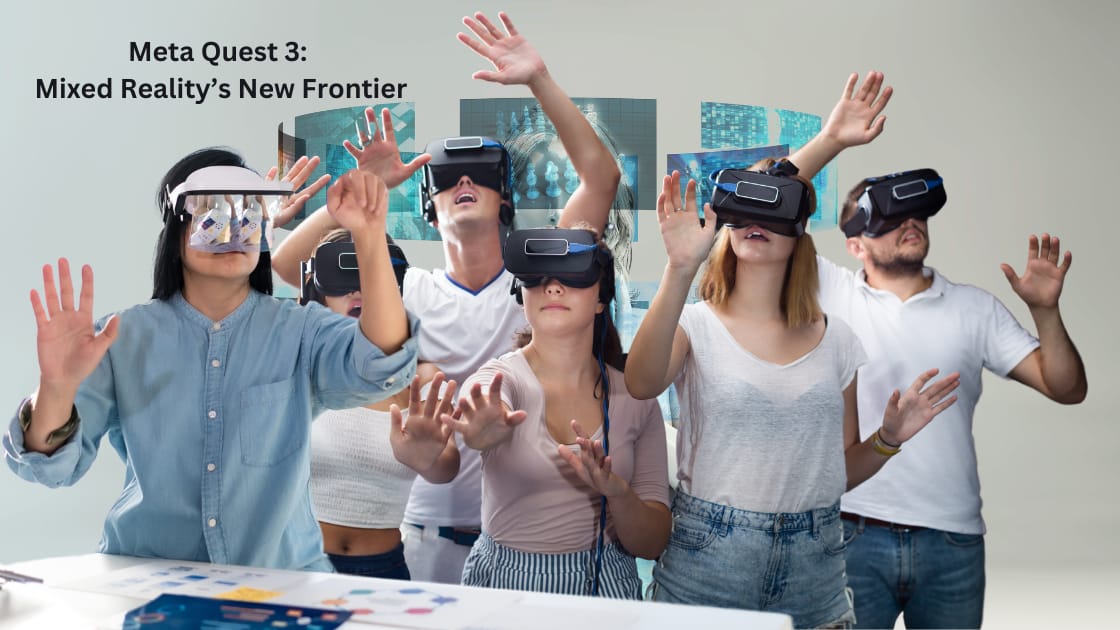
Meta Quest 3: Mixed Reality’s New Frontier
Introduction: A New Era of Mixed Reality The Meta Quest 3, launched as a successor to the Meta Quest 2, brings a powerful mixed reality experience to mainstream audiences. This device is not only a virtual reality headset but a true mixed reality (MR) powerhouse. With its cutting-edge hardware and software innovations,Meta Quest 3allows users to transition seamlessly between the real world and virtual overlays, blending both into a cohesive and immersive experience. The Quest 3 stands out as Meta’s ambitious answer to merging physical and digital realities, marking a pivotal shift toward the future of MR. Whether it’s for gaming, work, or educational applications, this device promises to deliver transformative experiences that are intuitive, versatile, and more immersive than ever. Meta Quest 3: Redefining the Mixed Reality Experience Meta Quest 3 is designed with precision to push the boundaries of what is achievable in MR. Building on the foundation laid by the Meta Quest 2, the Quest 3 incorporates advanced features including color pass-through cameras, improved display resolution, better processing power, and enhanced sensors. This ensures a rich and seamless integration of digital elements into the real world. The dual-use headset enables users to engage in both fully immersive VR and MR, a flexibility that expands its use cases and opens new opportunities for developers. The headset’s compact design, improved ergonomics, and accessibility through its pricing make it suitable for a wide range of audiences, from tech enthusiasts and gamers to professionals and educators. Meta’s Quest 3 seeks to democratize mixed reality, making it accessible and relevant across various industries, and thereby accelerating the adoption of MR experiences in everyday life. Key Features of Meta Quest 3 Driving Mixed Reality Enhanced Pass-Through Cameras: One of the standout features of the Meta Quest 3 is its full-color pass-through capability. This means users can see a high-resolution view of their physical environment while digital objects are superimposed onto it, creating a layered, interactive experience. Unlike the grayscale pass-through in the Meta Quest 2, Quest 3’s pass-through provides realistic color and depth, allowing for a more natural MR experience. Applications of Meta Quest 3 in Various Sectors Challenges and Limitations For Meta quest 3s Mixed Reality Despite the advancements, Meta Quest 3 faces challenges that the industry will need to address as MR matures. The Future of Mixed Reality with Meta Quest 3S Meta’s vision for the Quest 3 goes beyond gaming and entertainment; it envisions a future where MR can enhance daily life, learning, and work. With the development of the “metaverse,” Meta aims to create a connected digital ecosystem that overlays our physical world with meaningful digital interactions. In this envisioned future, people might use Quest 3 to attend virtual events, take virtual classes, or meet with friends in a shared digital space, all while remaining present in their physical surroundings. Meta Quest 3 has the potential to catalyze an era of rapid MR adoption, inspiring developers to create new applications and experiences. With continual improvements to hardware and content, Meta hopes to create a “layered reality” that users can interact with intuitively. Future updates to the Quest line might introduce even more advanced tracking, extended battery life, and expanded compatibility with other Meta devices, such as smart glasses or holographic displays. Meta’s ambition is to make mixed reality a part of daily life, not only transforming how we work and play but how we perceive and interact with the world. Competitive Landscape: Meta Quest 3S Mixed Reality vs. Other MR Devices The Meta Quest 3 enters a competitive market with other major players like the Apple Vision Pro and Microsoft Holo Lens. While these devices have impressive capabilities, they often target different markets. For example, Apple Vision Pro focuses more on high-end applications, often priced at a premium, while the Holo Lens is geared toward enterprise applications in industries like manufacturing and healthcare. Meta’s strategy with Quest 3 centers on affordability and accessibility, positioning it as an MR device for everyday consumers. By targeting a broader audience, Meta aims to popularize mixed reality and establish itself as a leader in this space. While Apple and Microsoft focus on premium and enterprise segments, Meta Quest 3’s balance of price, accessibility, and performance makes it a strong contender for mass adoption. Conclusion The Meta Quest 3 represents a major leap forward in making mixed reality accessible, versatile, and impactful. With features like color pass-through, spatial audio, and advanced hand-tracking, Quest 3 is more than just a VR headset; it’s a bridge to a future where digital and physical realities coexist in harmony. Meta’s focus on accessibility, combined with its advancements in MR technology, positions Quest 3 as a transformative device that could make MR a part of everyday life. While challenges remain, the Quest 3’s entry into the market marks an exciting frontier in the world of mixed reality, with possibilities only limited by imagination and innovation.