
Now, imagine having champagne just in orbit around Earth or staying weightless in your cabin. These experiences of life will no longer be science fiction but a reality as major companies continue with plans to introduce commercial space Luxury Space Travel in 2024. For 2024, think about redefining what holidays are. This post explores the latest developments in the Luxury Space Travel in 2024 market, which companies are pioneering these experiences, and whether humanity is actually ready for the next giant leap. The Emergence of Space Tourism For decades, tourism in space has remained a dream, but now it seems like a reality with the latest technological advancements. With investments reaching billions of dollars by private companies, space travel is gradually accessible to civilians, and as the promise sounds, it will be a comfortable experience, even a luxurious one, way out in the space beyond Earth’s atmosphere. By 2024, we can see how it really is growing at an incredible pace to soon be refined just like traditional high-end traveling. While early space ventures were all about research and exploration, today it has shifted its focus toward commercial ventures and luxury experiences. For the rich, this means an opportunity to experience the thrill of space travel, but not as astronauts, rather a tourist looking for adventure and luxury. Major Players in the Luxury Space Travel Market Several companies are at the forefront of Luxury Space Travel in 2024, offering each other something different for the willing premium payers. 1. Virgin Galactic One of the pioneering companies which came up with suborbital tourism is founded by Richard Branson and known as Virgin Galactic. Flights are designed to offer passengers a few minutes of weightlessness and spectacular views of Earth from the edge of space. Sleek spacecraft and comfort are key to delivering Luxury Space Travel in 2024 experiences from launch to landing at Virgin Galactic. – Cost: Approximates $450,000 per seat. – Experience: Six on board experience weightlessness; panoramic windows provide best-ever views . Virgin Galactic has been more accessible due to its commitment to both safety and being a good host. It apparently sold all its 2024 flights. Now, that’s a real show of demand for this kind of experience. . 2. Blue Origin Jeff Bezos’s Blue Origin also has similar offerings in the form of suborbital flights aboard its New Shepard rocket. These brief trips are designed to be cozy and refined, affording passengers some minutes of weightlessness while they behold a view of the Earth from more than 100 kilometers above the ground. Blue Origin also aims to develop space stations for tourism and research, in which well-heeled travelers could spend months-–or even years-–away from Earth. The company’s tailor-made service and launch experience are other factors that make it a key player in Luxury Space Travel in 2024 – Ticket Price: $500,000 – Unique Feature: Largest windows in any spacecraft to provide clear viewing. 3. SpaceX Well, SpaceX, a company run by Elon Musk, has only raised the stakes with the promise of orbital holidays, and even Moon trips. SpaceX plans to send private clients on missions aboard the Starship, designed to accommodate both astronauts and tourists, starting in 2024. That’s going to be the way longer Luxury Space Travel in 2024 space journeys are done – for days and sometimes weeks. The space tourism offered by SpaceX is more ambitious in vision – even, in the distant future, Mars vacations. For now, it offers multi-day orbital trips with high comfort and panoramic views. – Cost: Millions per seat, depending on the length of the mission – Unique Feature: Possibility of a lunar flyby or multi-day orbit around Earth What to Expect from a Luxury Space Vacation If you ever wondered what Luxury Space Travel in 2024 space travel in 2024 feels like, it’s more than just floating around in zero gravity. Companies are designing these experiences to rival the best first-class flights and five-star hotels. -Private Cabins: Travelers enjoy the luxurious soundproof cabins while enjoying top-of-the-line comfort. Some spacecraft, such as the SpaceX Starship, have an individual suite for added solitude. Gourmet Meals: Think not of freeze-dried foods —Luxury Space Travel in 2024 space travelers can expect curated menus created by top chefs, including options for in-flight fine dining. – Panoramic Views: Huge windows offer views of Earth and space that are simply unmatchable, so the feeling of adventure and relaxation can go hand in hand. – Special Options for Choice: Personalized options, such as recording a message from space or making a live video call to family, make the journey even more memorable. In many ways, these trips are engineered to combine adventure with comfort as part of a once-in-a-lifetime experience without giving up the Luxury Space Travel in 2024 expected. Feasibility: Are Space Vacations Practical Yet? Whilst Luxury Space Travel in 2024 is so exciting, there are still several formidable hurdles which stand in its way. These are mainly about safety, cost, and impact on the environment. 1. Safety Issues Space travel is always dangerous. Regardless of technological advancements, companies invest heavily in security measures. But it is important to understand the risks travelers face. Emergency procedures, pilot training, and the reliability of spacecraft will bear a big thrust on public trust in the near term. . 2. Cost Constrains It is very expensive to travel into space, so it is still out of reach of most. Luxury Space Travel in 2024 space vacations come in the price range of hundreds of thousands or even millions of dollars and are thus only within the reach of the ultra-rich. On the other hand, over time, it will get lower and higher in price depending on the growth and technological advancement. 3. Environmental Impact In addition, there are environmental impacts associated with space tourism. A rocket is very fuel-intensive, and thousands of launches will contribute to air emissions that may lead to climate change. Some of the companies, like SpaceX, are developing sustainable fuels that may
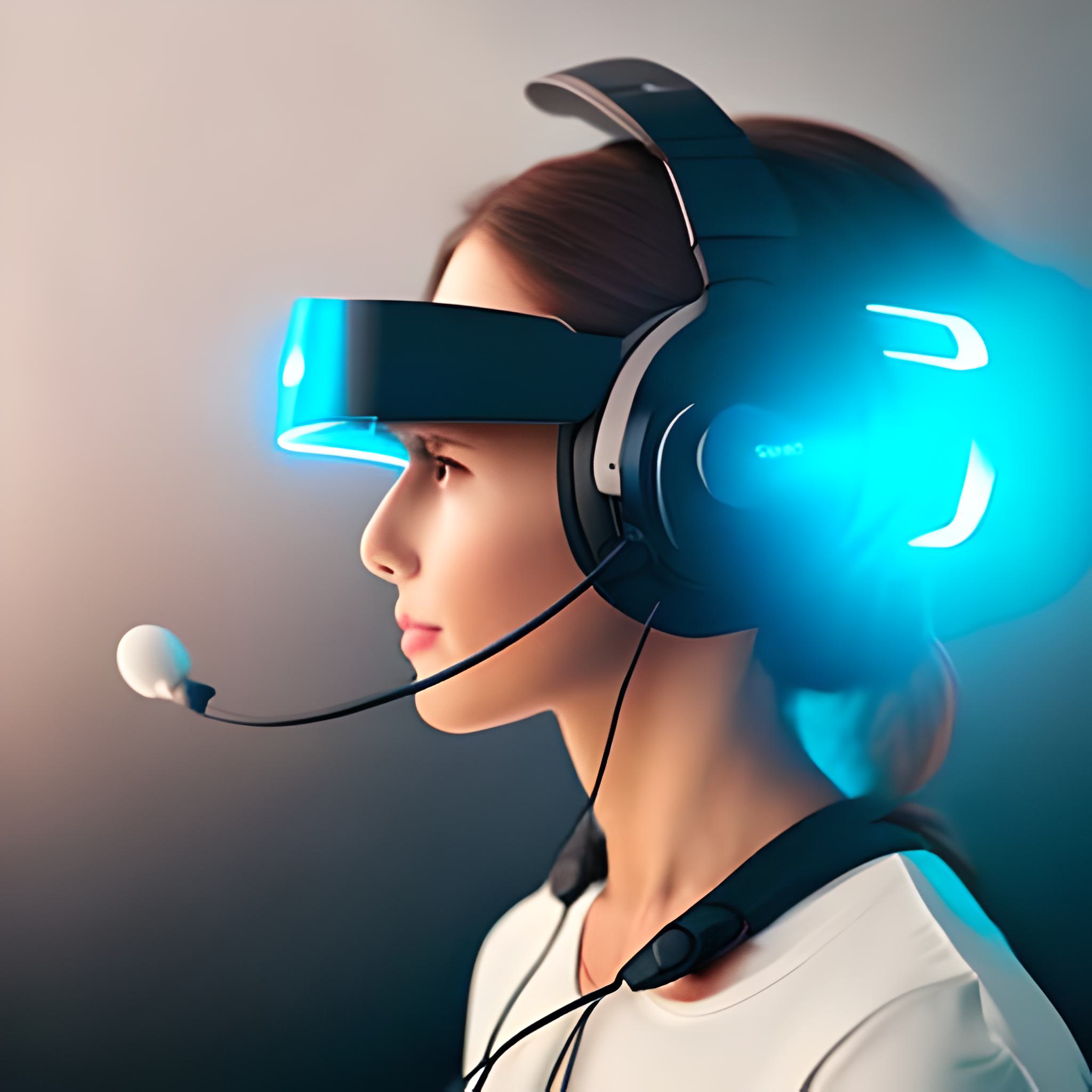
Top 10 Amazing Ways the Architecture of Virtual Reality Systems is Evolving
Table of Contents Introduction: The Changing Face of Virtual Reality Architecture Architecture of Virtual Reality Systems (VR) has come a long way since its inception, transforming from a niche technology into a mainstream marvel. The architecture of virtual reality systems is at the heart of this transformation, shaping how we interact with and experience digital worlds. Imagine how different our world would be if VR were still stuck with the clunky, limited systems of the past. The evolution of VR systems isn’t just about improved hardware; it’s about creating immersive, user-friendly experiences that blend seamlessly with our daily lives. In this article, we’ll dive into ten amazing ways the architecture of virtual reality systems is evolving, offering a glimpse into a future where virtual worlds are as natural and engaging as the real one. 1. From Cumbersome to Compact: The Evolution of VR Hardware Architecture of Virtual Reality Systems Remember the early VR headsets that looked like they were borrowed from a sci-fi movie set? They were often heavy, unwieldy, and required complex setups. Fast forward to today, and the architecture of virtual reality systems has undergone a remarkable transformation. Modern VR hardware is designed with sleek, compact profiles that prioritize comfort and usability. For instance, devices like the Meta Quest and the PlayStation VR2 are much lighter and ergonomically designed, making them more comfortable for extended use. Gone are the days when you had to endure a headset that made you feel like you were carrying a mini-fridge on your head. Today’s VR systems are all about portability and ease. They often come with adjustable straps, cushioned interiors, and reduced weight, so you can enjoy your virtual adventures without feeling like you’re lugging around a set of bricks. This shift towards a more user-friendly design is akin to the evolution of smartphones from bulky early models to the sleek, lightweight devices we use today. 2. Seamless Integration: How VR Systems Are Becoming More User-Friendly If you’ve ever tried setting up an old-school VR system, you know it often involved a tangled mess of cables and numerous setup steps. The architecture of virtual reality systems is evolving to make these setups much simpler. Today’s Architecture of Virtual Reality Systems VR systems are designed for seamless integration, allowing users to jump into their virtual worlds with minimal hassle. Newer VR systems, like the Meta Quest 3, emphasize plug-and-play capabilities. This means you can start exploring your virtual environment almost immediately after setting up the device. No more wrestling with cables or fiddling with complex software settings. It’s like the difference between setting up an old TV with a tangled mess of wires and simply plugging in a modern smart TV that connects to the internet with a few taps. This streamlined approach makes VR more accessible and enjoyable for everyone, whether you’re a tech enthusiast or a casual user. 3. Immersive Realism: Enhancing Visual Fidelity and Detail One of the most exciting advancements in the architecture of virtual reality systems is the dramatic improvement in visual fidelity. Architecture of Virtual Reality Systems Early VR systems had limited graphical capabilities, which sometimes made virtual worlds look more like abstract art than realistic environments. Today’s VR systems are pushing the boundaries of visual realism, offering incredibly detailed and lifelike graphics. For example, recent VR headsets feature high-resolution displays with improved color accuracy and contrast, making virtual environments look almost as vivid as the real world. Imagine upgrading from a standard-definition TV to a 4K ultra-high-definition screen—the difference is night and day. This leap in visual fidelity allows for more immersive experiences, where every detail, from the texture of a virtual surface to the subtleties of lighting and shadow, is rendered with stunning clarity. 4. Spatial Awareness: The Rise of Room-Scale VR Experiences The architecture of virtual reality systems is increasingly focused on spatial awareness, allowing users to interact with larger virtual environments by moving around in their physical space. Room-scale Architecture of Virtual Reality Systems VR, enabled by systems like the HTC Vive and the Meta Quest 2, uses sensors and cameras to track your movements within a designated play area. This advancement transforms VR from a stationary experience into one where you can walk, crouch, and even jump within your virtual world. It’s akin to moving from a traditional video game where you’re confined to a single viewpoint to a fully immersive experience where you can explore a vast, three-dimensional space. This level of interactivity makes virtual experiences feel more natural and engaging, as you’re no longer just looking at a screen but physically navigating through a virtual environment. 5. Responsive Interactions: Advances in Haptic Feedback Technology Imagine reaching out to touch something in a virtual world and actually feeling its texture or weight. That’s the magic of advanced haptic feedback technology in the architecture of virtual reality systems. Haptic feedback uses vibration and other sensations to simulate physical interactions with virtual objects. Recent developments in haptic technology have made these sensations more nuanced and realistic. For instance, the Oculus Touch controllers offer a range of haptic responses, from the subtle sensation of picking up a delicate object to the strong vibration of a virtual explosion. It’s like moving from a basic game controller with minimal feedback to a sophisticated device that provides a full-body immersion experience. These advancements enhance the sense of realism and make virtual interactions feel more tangible and lifelike. 6. Wireless Wonders: The Shift from Tethered to Untethered VR One of the most liberating changes in the architecture of virtual reality systems is the shift from tethered to wireless VR. Traditional VR systems required users to be physically connected to a computer or console via a network of cables, which could limit movement and create a cluttered play area. Today’s VR systems are embracing wireless technology, allowing users to roam freely without being tethered by cables. The Meta Quest 2 is a prime example of this shift, offering a completely wireless experience that enables users to move
Advantages of Virtual Reality
1. Enhanced Learning and Training For Advantages of Virtual Reality Virtual Reality (VR) offers immersive and interactive experiences that can significantly improve learning and training. By simulating real-world scenarios, VR allows users to practice skills and gain knowledge in a safe and controlled environment. This is particularly beneficial in fields such as medicine, aviation, and military training, where real-life practice can be risky or expensive. 2. Improved Collaboration for Advantages of Virtual Reality VR enables remote collaboration in a way that traditional video conferencing cannot match. By creating a shared virtual space, team members can interact with each other and digital objects as if they were in the same room. This enhances communication, reduces misunderstandings, and fosters a more engaging and productive work environment. 3. Better Visualization and Design for Advantages of Virtual Reality VR is a powerful tool for visualizing complex data and designs. Architects, engineers, and designers can use VR to create and explore detailed 3D models of buildings, products, and systems. This helps in identifying potential issues, making more informed decisions, and presenting ideas to clients and stakeholders in a compelling way. 4. Therapeutic Applications for Advantages of Virtual Reality VR has proven to be effective in various therapeutic applications, such as treating phobias, PTSD, and chronic pain. By exposing patients to controlled virtual environments, therapists can help them confront and manage their fears and anxieties. Additionally, VR can be used for rehabilitation purposes, providing patients with engaging exercises to aid in their recovery. 5. Entertainment and Gaming for Advantages of Virtual Reality The entertainment industry has been revolutionized by VR, offering users immersive experiences in gaming, movies, and virtual tours. VR games provide a level of interactivity and engagement that traditional games cannot match, while VR movies and tours offer new ways to experience stories and locations. 6. Increased Accessibility for Advantages of Virtual Reality VR can make experiences and environments accessible to people who might not otherwise have the opportunity to enjoy them. This includes virtual travel experiences for those unable to physically travel, educational experiences for students in remote areas, and social interactions for individuals with disabilities. 7. Enhanced Creativity for Advantages of Virtual Reality VR provides a unique platform for creative expression. Artists, musicians, and creators can use VR tools to produce innovative works that push the boundaries of traditional media. The immersive nature of VR allows for new forms of storytelling and artistic experiences that are not possible in the physical world. 8. Cost Savings For the Advantages of Virtual Reality By reducing the need for physical prototypes, travel, and in-person training, VR can lead to significant cost savings for businesses and institutions. Virtual prototypes can be tested and modified without the expense of creating physical versions, and remote training can save on travel and accommodation costs. 9. Environmental Benefits For Advantages of Virtual Reality VR can contribute to environmental sustainability by reducing the need for physical materials and travel. Virtual meetings, conferences, and events can minimize the carbon footprint associated with travel, while virtual prototyping and design can reduce waste and resource consumption. 10. Personalized Experiences for Advantages of Virtual Reality VR allows for highly personalized experiences, tailored to the individual needs and preferences of users. Whether it’s personalized learning paths, customized gaming experiences, or individualized therapeutic sessions, VR can adapt to provide the most effective and enjoyable experience for each user. Conclusion Virtual Reality is transforming various aspects of our lives, from education and training to entertainment and therapy. Its ability to create immersive, interactive, and personalized experiences opens up new possibilities for innovation and improvement. As technology continues to advance, the potential applications and benefits of VR will only expand, making it an increasingly integral part of our future. FAQs 1. What is Virtual Reality (VR)? Virtual Reality (VR) is a technology that creates a simulated environment, allowing users to interact with it in a seemingly real or physical way using special equipment such as VR headsets and controllers. 2. How does VR enhance learning and training? VR enhances learning and training by providing immersive, interactive environments where users can practice skills and gain knowledge in a safe, controlled setting, which is particularly useful in fields where real-life practice is risky or expensive. 3. Can VR improve collaboration in the workplace? Yes, VR can improve collaboration by creating shared virtual spaces where team members can interact with each other and digital objects as if they were in the same room, enhancing communication and productivity. 4. What are some therapeutic applications of VR? VR is used in therapy to treat phobias, PTSD, and chronic pain, by exposing patients to controlled virtual environments. It is also used for rehabilitation, providing engaging exercises to aid recovery. 5. How is VR used in entertainment and gaming? VR revolutionizes entertainment and gaming by offering immersive experiences that traditional media cannot match, including interactive games, virtual tours, and immersive movies. 6. What are the cost savings associated with VR? VR can lead to cost savings by reducing the need for physical prototypes, travel, and in-person training, allowing for virtual testing and remote learning that save on materials and expenses. 7. How does VR contribute to environmental sustainability? VR contributes to environmental sustainability by reducing the need for travel and physical materials, thereby minimizing the carbon footprint and resource consumption associated with traditional methods. 8. Can VR provide personalized experiences? Yes, VR can offer highly personalized experiences tailored to individual needs and preferences, enhancing effectiveness and enjoyment in areas such as learning, gaming, and therapy. 9. What industries benefit the most from VR? Industries such as education, healthcare, architecture, engineering, entertainment, and remote work benefit significantly from VR due to its ability to provide immersive, interactive, and cost-effective solutions. 10. What are the future prospects of VR technology? The future prospects of VR technology are vast, with continued advancements expected to expand its applications and benefits across various sectors, making it an increasingly integral part of our daily lives and professional practices.
Unlocking the Mystery: How Does Augmented Reality Work in 6 Easy Ways
Table of Contents Introduction: What is Augmented Reality? Does Augmented Reality Work Imagine strolling through a city where your phone adds digital information to your view. You see historical facts about buildings as you walk by, or you receive directions as if they were floating in the air. That’s the charm of augmented reality (AR). How does augmented reality work to create these interactive experiences? In simple terms, AR blends the digital and physical worlds, making our interactions with technology more immersive and intuitive. Analogy: Think of AR as a pair of magic glasses. Does Augmented Reality Work When you put them on, the world around you is enhanced with extra layers of digital information that make your experience richer and more engaging. It’s like having a superpower that allows you to see and interact with additional data overlaid on the real world. 1. Overlaying Digital Information: The Basics of How Augmented Reality Works At its heart, how does augmented reality work involves layering digital content over what you see in the real world. This digital content can be anything from text and images to animations and 3D models. AR doesn’t replace the real world; it enhances it by adding an extra layer of information. Analogy: Imagine you’re at a museum, and you’re looking at a painting. With AR, Does Augmented Reality Work you can use an app on your phone that overlays additional information about the painting’s history and the artist’s background on top of the image you see through your phone’s camera. It’s like having a knowledgeable tour guide right in your pocket! Example: Consider Pokémon GO, a popular AR game where virtual Pokémon appear in your real-world environment. As you explore your neighborhood, you might see a Pikachu sitting on a park bench, thanks to AR technology overlaying this digital creature onto your physical surroundings. 2. Sensors and Cameras: The Eyes and Ears of AR How does augmented reality work on a technical level? Does Augmented Reality Work Sensors and cameras play a crucial role. Cameras capture images of the real world, while sensors track your movements and the environment. This data is essential for the AR system to accurately overlay digital content. Analogy: Think of sensors and cameras as the eyes and ears of AR. Just like your eyes see and your ears hear to help you understand your surroundings, these devices gather visual and spatial data to help AR systems create a seamless blend of digital and real-world elements. Does Augmented Reality Work Example: In an AR navigation app, your phone’s camera captures the street ahead, while its sensors track your movement. The app uses this information to display real-time directions on the road, guiding you as you drive. 3. Real-Time Processing: Making Sense of the World Around Us For AR to work effectively, it needs to process data in real time. This means analyzing the images captured by cameras and making instant adjustments to digital content based on your actions and the environment. This rapid processing ensures that digital overlays match the real world accurately and interactively. Analogy: Imagine you’re adjusting a photo’s filter on your phone. As you move the slider, the filter updates instantly, showing you how the photo looks with different effects. Similarly, AR systems adjust digital content in real time to ensure it aligns perfectly with the real world. Example: When using an AR app to try on virtual clothes, the system processes your movements and the angles of your body in real time. This ensures that the virtual clothing looks natural and fits properly as you move around. 4. Display Technology: How We See AR Magic Happen How does augmented reality work when it comes to seeing the results? AR relies on various display technologies to project digital information into your view. This could be through screens on devices like smartphones and tablets or through specialized AR glasses and headsets that display information directly in your line of sight. Analogy: Think of display technology in AR as the screen on your smartphone or the projector at a movie theater. Just as these screens show you images and videos, AR displays project digital content into your visual field, blending it with the real world. Example: Google Glass was an early example of AR glasses that project information into your line of sight, allowing you to see notifications, directions, and more without needing to look at your phone. 5. Interaction and Feedback: How AR Knows What You’re Doing Interaction is a key component of how does augmented reality work. AR systems need to understand and respond to your actions. This is achieved through various input methods, such as touchscreens, voice commands, or gestures. The system processes your inputs and adjusts the digital content accordingly. Analogy: Imagine playing a video game where your character’s actions are controlled by your movements or button presses. The game responds in real time based on your actions. Similarly, AR systems use input methods to interact with and update digital content based on what you do. Example: In an AR app that lets you decorate your room with virtual furniture, you can move, rotate, and resize the virtual items using gestures or touch inputs. The app responds by updating the digital furniture’s placement and appearance based on your commands. 6. Applications and Use Cases: How AR Transforms Our Lives The beauty of AR is in its versatility. How does augmented reality work in different scenarios? From gaming and education to healthcare and retail, AR has a wide range of applications that enhance how we interact with the world. Analogy: Think of AR as a multi-tool that can adapt to various tasks, much like a Swiss Army knife. Just as a Swiss Army knife has different tools for different needs, AR technology can be applied in various fields to meet specific requirements and enhance experiences. Example: In healthcare, AR can assist surgeons by overlaying vital information on a patient’s body during surgery, improving precision. In retail, AR

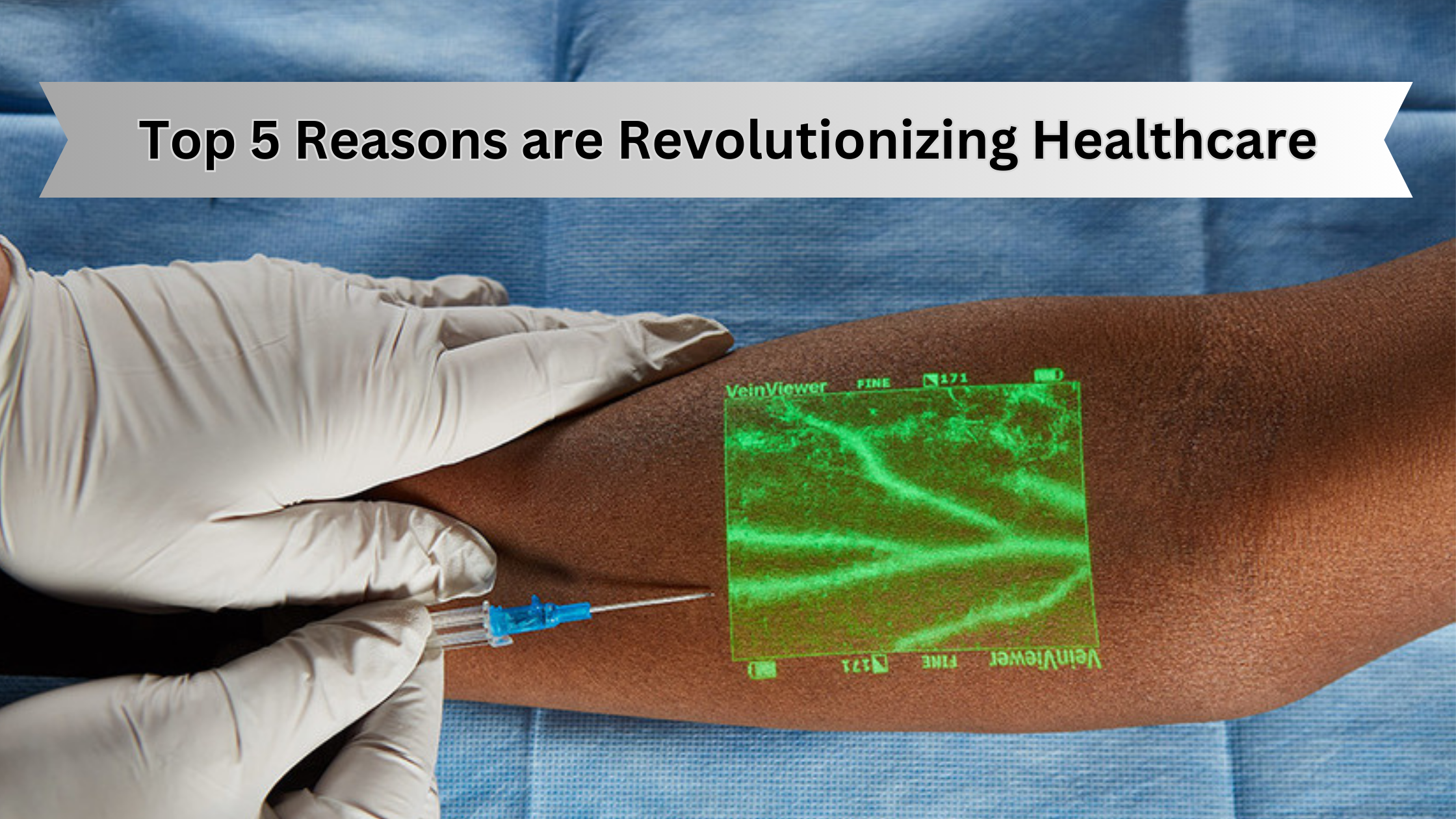
Augmented Reality Vein Finder: 7 Life-Changing Benefits of Using an AR
Table of Contents Introduction: What is an Augmented Reality Vein Finder? Augmented Reality Vein Finder Picture this: you’re at the doctor’s office, and you need a blood draw. Normally, the process can be a bit nerve-wracking, especially if you’re someone who isn’t a fan of needles. Now imagine if the healthcare professional could use a device that makes finding your veins as easy as checking your GPS for directions. That’s where the augmented reality vein finder comes into play. This groundbreaking device utilizes augmented reality (AR) to overlay a digital map of your veins onto your skin, making it easier for medical professionals to locate veins quickly and accurately. This is not just a high-tech gadget but a game-changer in improving patient care and efficiency in medical settings. 1. Enhanced Accuracy: Finding Veins with Precision When it comes to medical procedures involving needles, precision is everything. Traditional methods of locating veins can be hit or miss—literally. Healthcare professionals often rely on palpation and guesswork, which can sometimes result in multiple attempts to find a vein, leading to discomfort for the patient. Enter the augmented reality vein finder. This device uses advanced imaging technology to create a digital projection of veins beneath the skin, which is then displayed on the surface. This means that healthcare providers can see exactly where veins are located, making the insertion process much more accurate. Example: Imagine playing a video game with a top-down map that shows you exactly where to go. Just like that map guides you to your destination, the augmented reality vein finder guides medical professionals to the vein, ensuring a precise and successful insertion on the first try. Personal Anecdote: I remember a time when my cousin had to undergo routine blood tests, and finding a good vein was always a challenge. If the clinic had used an augmented reality vein finder, those multiple pokes would have been a thing of the past. 2. Increased Patient Comfort: A Gentle Touch Nobody enjoys the sensation of a needle prick, and for patients with difficult veins, the experience can be particularly uncomfortable. The augmented reality vein finder addresses this by improving the accuracy of needle placements, which reduces the number of attempts needed. Fewer needle sticks mean less pain and a more comfortable experience overall. Analogy: Think of it like using a laser level when hanging a picture on the wall. Instead of guessing and potentially making several holes, you get a precise guide that ensures you hit the mark on the first try. Similarly, an augmented reality vein finder hits the right spot with minimal discomfort. 3. Faster Procedures: Saving Time and Reducing Stress Time is of the essence in many medical procedures. With traditional methods, locating veins can take several minutes, during which patients might experience anxiety. The augmented reality vein finder speeds up this process by providing a clear visual map, allowing healthcare professionals to complete procedures more efficiently. Example: Imagine you’re at a crowded event, and you’re trying to find your friend in the crowd. If you have a photo of your friend, it’s much easier to spot them quickly. The augmented reality vein finder acts like that photo, giving a clear picture of where to look and saving time in the process. Personal Insight: During a recent health check-up, the nurse mentioned how time-consuming vein searches could be. If an augmented reality vein finder were available, it would have streamlined the process, making the whole experience quicker and less stressful for both the patient and the healthcare provider. 4. Improved Training: A New Tool for Healthcare Professionals Training new healthcare professionals can be challenging, especially when it comes to tasks that require a delicate touch, like finding veins. An augmented reality vein finder provides an invaluable training tool by offering a real-time visual guide. This allows trainees to practice and refine their skills before working on real patients. Example: It’s like learning to drive using a simulator before hitting the road. The augmented reality vein finder serves as a simulator for vein puncture, giving new professionals a chance to get comfortable with the procedure in a controlled environment. Personal Insight: I once volunteered at a medical training center where students struggled with vein puncture techniques. An augmented reality vein finder would have made their training sessions more effective and less intimidating, giving them a better foundation for real-world scenarios. 5. Reduced Needle Sticks: Minimizing Discomfort and Risk Repeated needle sticks not only cause discomfort but also increase the risk of complications such as bruising or infection. The augmented reality vein finder helps reduce the need for multiple attempts by accurately locating veins on the first try. This minimizes patient discomfort and lowers the risk of procedural complications. Analogy: Think of it like a fishing trip where you’re using the wrong bait and casting repeatedly. If you had a fish finder, you’d get better results with fewer casts. Similarly, the augmented reality vein finder helps you get it right on the first try, reducing the need for multiple attempts. Example: A friend of mine had a procedure where finding a vein was so challenging that she ended up with multiple needle sticks. If the facility had used an augmented reality vein finder, it would have spared her from that experience and made the process much smoother. 6. Versatility: Beyond Traditional Uses While augmented reality vein finders are primarily used for locating veins, their versatility extends beyond just needle insertion. They can be utilized in various medical fields, including emergency care, pediatric care, and even veterinary medicine. This broad application makes them a valuable tool in many different healthcare scenarios. Analogy: It’s like having a Swiss Army knife in your toolbox. Just as a Swiss Army knife has multiple functions, an augmented reality vein finder can be applied in various medical settings, making it a versatile addition to any healthcare toolkit. Example: In emergency situations, where quick and accurate vein access can be crucial, the augmented reality vein finder provides
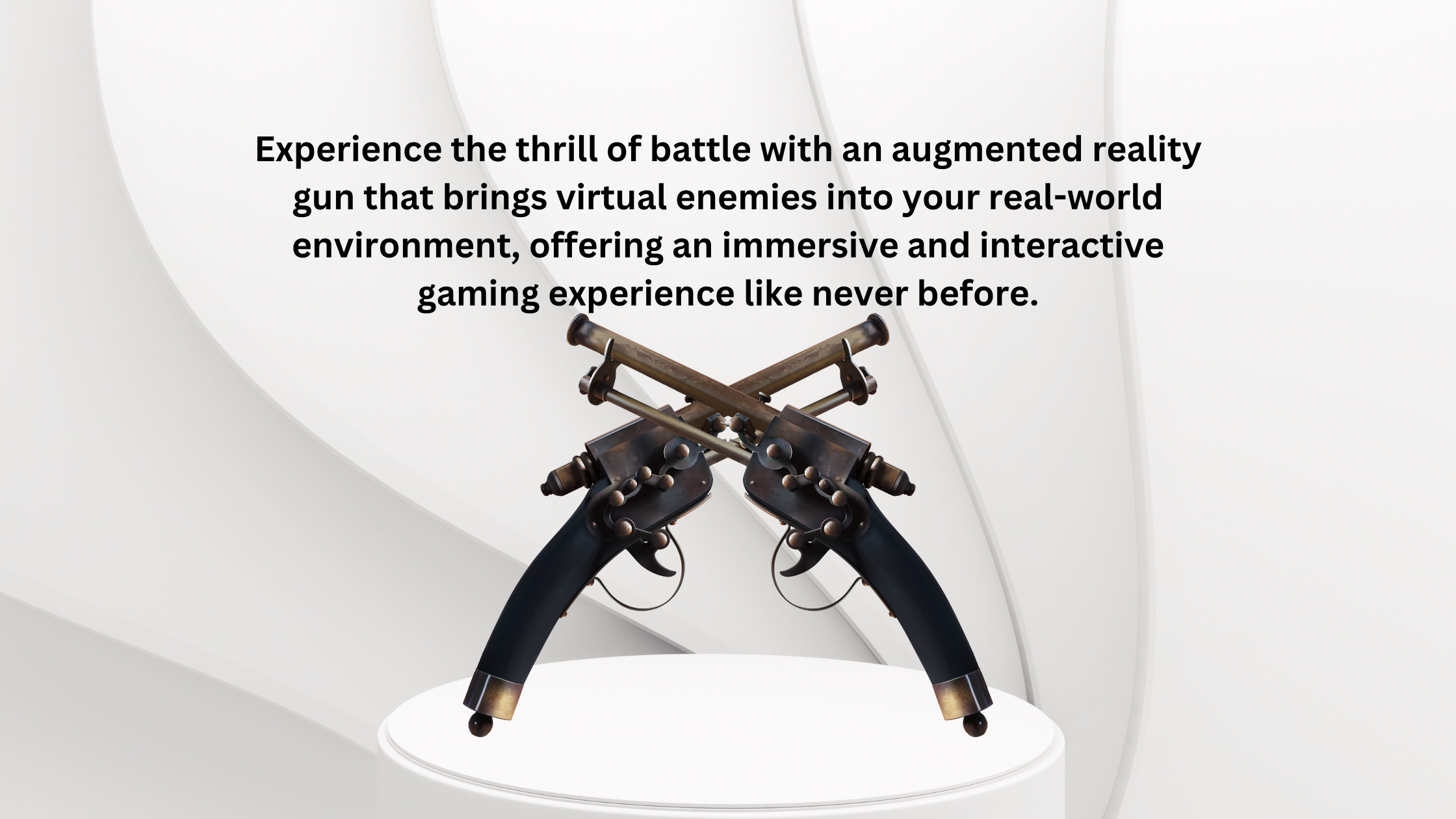
8 Unbelievable Augmented Reality Guns: Discover the Future of Gaming
Table of Contents Introduction: Enter the World of Augmented Reality Guns Ever dreamed of stepping into a futuristic battlefield where you’re not just playing a game but living it? Welcome to the world of augmented reality guns. These high-tech marvels blend the excitement of traditional shooting games with the immersive power of augmented reality (AR). Imagine holding a gun that’s not only a physical device but also a gateway to thrilling virtual worlds. In this article, we’ll explore eight incredible augmented reality guns that are transforming the gaming landscape. So, buckle up—this is going to be a wild ride! 1. The Rise of Augmented Reality Guns: A Game Changer Before we dive into the specifics, let’s talk about why augmented reality guns are such a big deal. Traditional gaming setups often involve a screen, a controller, and maybe some fancy graphics. Augmented reality guns, however, take things to the next level by combining physical and digital elements. Think of it like this: instead of watching the action unfold on a screen, you’re actively part of it. This fusion of real-world and virtual elements makes for a gaming experience that’s more engaging, interactive, and, frankly, a whole lot of fun. 2. Augmented Reality Gun #1: The HyperGun X1 First up is the HyperGun X1, a true powerhouse in the world of augmented reality guns. This sleek, futuristic-looking piece is designed to make you feel like you’re in the middle of an epic sci-fi battle. With its precision tracking and haptic feedback, the HyperGun X1 delivers an immersive experience that’s as close to reality as you can get without leaving your living room. I had the chance to try out the HyperGun X1 at a gaming convention, and let me tell you, it was like stepping into a video game. The feeling of the gun vibrating with each shot and the pinpoint accuracy made me feel like I was really in a virtual combat zone. 3. Augmented Reality Gun #2: The AR Blaster Pro Next on our list is the AR Blaster Pro, a versatile tool that’s perfect for both casual gamers and serious enthusiasts. This gun is known for its ergonomic design and intuitive controls, making it easy to pick up and start playing. The AR Blaster Pro features a range of different game modes, from target practice to full-on combat scenarios, ensuring that there’s something for everyone. What’s cool about the AR Blaster Pro is its ability to connect with various AR platforms, allowing you to switch between games and experiences seamlessly. It’s like having a Swiss Army knife for your gaming adventures. 4. Augmented Reality Gun #3: The LaserStorm Elite For those who prefer a more tactical approach, the LaserStorm Elite might just be your new best friend. This augmented reality gun boasts advanced laser targeting and customizable settings, allowing you to fine-tune your gaming experience to perfection. Whether you’re defending a fortress or taking on a wave of enemies, the LaserStorm Elite gives you the precision and control you need to come out on top. I remember using the LaserStorm Elite in a multiplayer game, and the competitive edge it gave me was incredible. It’s like having a high-tech ally that helps you strategize and execute your game plan with military precision. 5. Augmented Reality Gun #4: The HoloShot Ranger The HoloShot Ranger is another standout in the realm of augmented reality guns. This gun is designed with a focus on versatility and ease of use. Its lightweight build and adjustable features make it suitable for extended gaming sessions, while its powerful AR capabilities ensure that the action is always engaging. One of my favorite features of the HoloShot Ranger is its ability to project different types of virtual scenarios, from futuristic battlefields to fantasy landscapes. It’s like having a whole arsenal of virtual environments at your fingertips. 6. Augmented Reality Gun #5: The VirtuSlinger If you’re looking for a gun that combines style with performance, the VirtuSlinger is worth checking out. With its sleek design and advanced AR integration, the VirtuSlinger offers a gaming experience that’s both visually impressive and highly functional. It features a range of customizable options, allowing you to personalize your gaming setup to match your preferences. I’ve used the VirtuSlinger in a variety of settings, from intense shootouts to relaxed target practice, and it consistently delivered a top-notch experience. It’s like having a high-performance tool that adapts to your gaming needs. 7. Augmented Reality Gun #6: The AR Defender The AR Defender is all about protection and precision. This gun is designed to offer superior accuracy and a responsive shooting experience. Its advanced AR technology allows for detailed environmental interaction, making every shot count. The AR Defender is perfect for gamers who demand precision and reliability. I remember a particularly intense session with the AR Defender where its accuracy helped me hit targets I would have missed with other guns. It’s like having a personal trainer for your shooting skills. 8. Augmented Reality Gun #7: The Nexus Shooter The Nexus Shooter is a cutting-edge augmented reality gun that stands out for its adaptability and immersive features. It supports a wide range of AR games and experiences, making it a versatile addition to any gamer’s collection. The Nexus Shooter’s intuitive controls and responsive feedback make it easy to get into the action and stay engaged. Using the Nexus Shooter felt like stepping into a new dimension of gaming. Its adaptability and immersive features made every game session exciting and fresh, like exploring a new world every time. 9. Augmented Reality Gun #8: The Phantom Strike Last but certainly not least is the Phantom Strike, a gun that combines stealth with power. Its sleek design and advanced AR capabilities make it perfect for gamers who enjoy a tactical approach. The Phantom Strike’s customizable settings and realistic feedback make it a top choice for those looking to enhance their gaming experience. I had a blast using the Phantom Strike in a stealth-based game where its
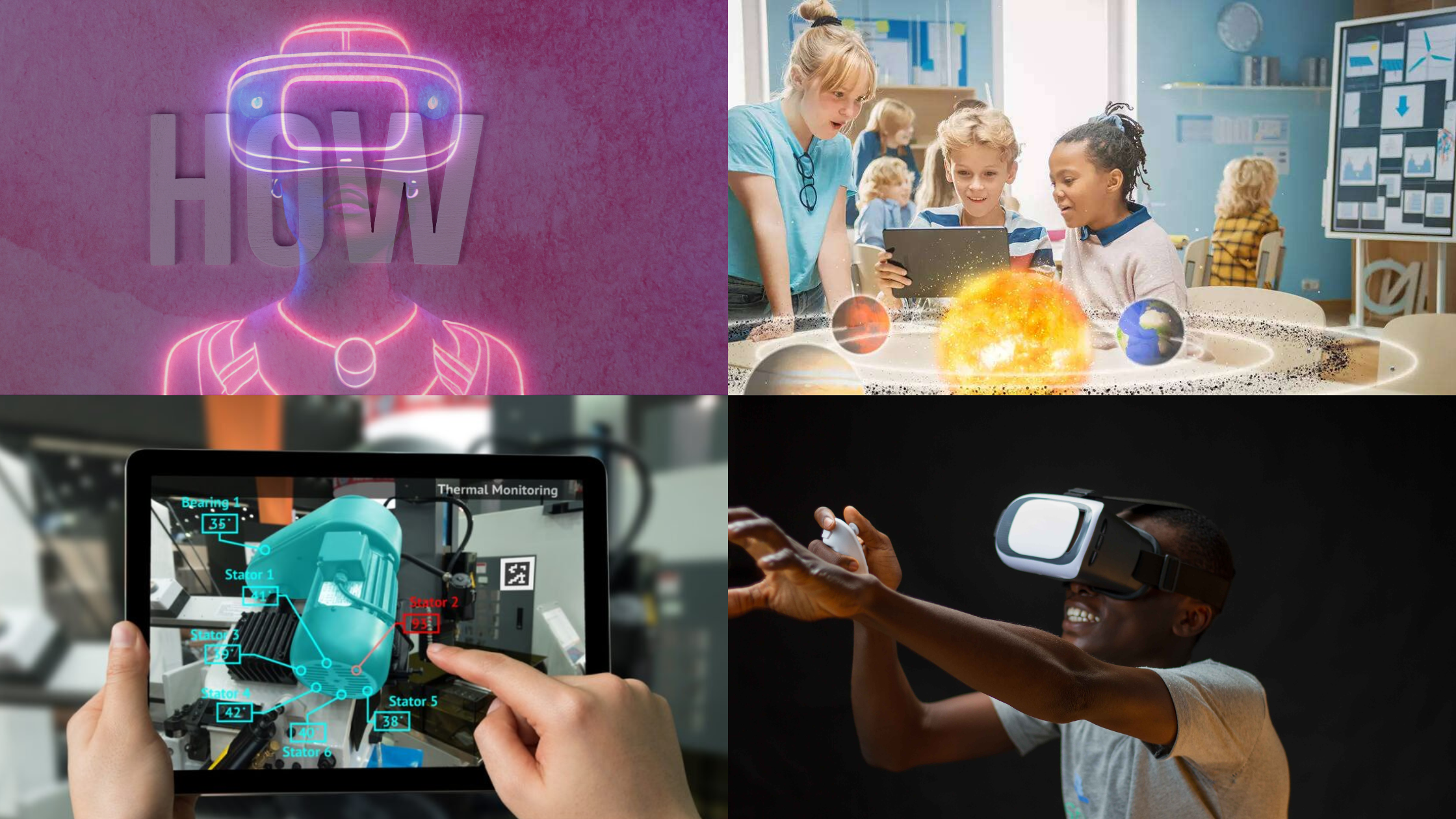
Unlocking the Mystery: Augmented Reality is Changing WWE Forever – 5 Mind-Blowing Ways
Table of Contents Introduction: The Evolution of WWE and AR augmented reality WWE has always been known for its high-octane action, larger-than-life personalities, and dramatic storytelling. But in recent years, a new technology is taking WWE to a whole new level: augmented reality (AR). Augmented reality WWE is not just a buzzword—it’s an innovation that’s changing how fans interact with their favorite wrestling shows. By blending the digital and physical worlds, AR is enhancing the WWE experience in ways that were once the stuff of science fiction. Analogy: Imagine if your favorite WWE action figures could come to life and perform in your living room. That’s the essence of augmented reality WWE—bringing digital elements into the real world, creating a more interactive and immersive fan experience. 1. Enhanced Spectator Experience: Augmented Reality WWE Events Like Never Before Attending a WWE event has always been thrilling, but augmented reality WWE takes it to the next level. With AR technology, fans can experience live matches like never before. Picture yourself at a WWE event where your smartphone or AR glasses overlay real-time stats, wrestler biographies, and virtual replays directly onto your view of the action. It’s like having a personalized commentary team right in your field of vision. Analogy: Think of it as having a high-tech friend who’s constantly updating you with insider info and behind-the-scenes details while you enjoy the show. It’s similar to how sports apps provide live stats and updates, but with AR, this information is seamlessly integrated into your view of the event. Example: Imagine being at a live WWE match and using an AR app to see detailed stats about each wrestler, instant replays of key moments, or even interactive features like choosing camera angles—all superimposed on your live view of the ring. This kind of AR enhancement makes every moment more engaging and informative. 2. Interactive Superstar Engagement: Bringing WWE Legends to Life One of the most exciting aspects of augmented reality WWE is the ability to interact with WWE superstars in new and innovative ways. Through AR, fans can experience virtual meet-and-greets with their favorite wrestlers, receive personalized messages, or even have virtual Q&A sessions with WWE legends. Analogy: It’s like having a holographic superstar pop up in your living room, ready to chat or take a selfie. Just as you might use a video call to connect with friends and family, AR technology allows you to engage with WWE stars in a more interactive and personalized manner. Example: WWE could create an AR app where fans can project a virtual version of their favorite wrestler into their room. Fans could then interact with this holographic wrestler, ask questions, and even get personalized video messages—making the fan experience more intimate and memorable. 3. AR-Enhanced Training for Wrestlers: A New Era of Preparation Training is a critical part of a wrestler’s life, and augmented reality WWE is revolutionizing how athletes prepare for their matches. AR technology can simulate different match scenarios and environments, allowing wrestlers to practice their moves and strategies in a highly immersive and interactive setting. Analogy: Imagine having a virtual sparring partner who can mimic any opponent’s moves, making your training sessions more dynamic and adaptable. It’s like having a high-tech coach that can adjust to any training need and provide real-time feedback. Example: WWE trainers might use AR to create virtual training environments where wrestlers can practice their techniques against simulated opponents. These AR simulations could replicate different match conditions, helping wrestlers prepare for a variety of scenarios and enhancing their overall performance. 4. Immersive Storytelling: Augmented Reality WWE Stories that Captivate Fans Storytelling is at the heart of WWE, and augmented reality WWE takes this to a new dimension. AR can create immersive storylines that allow fans to explore WWE narratives in more interactive ways. Fans can follow story arcs, participate in virtual events, and even interact with digital elements that enhance the ongoing drama. Analogy: Think of AR-enhanced storytelling as stepping into a live-action role-playing game. Instead of just watching the story unfold, you become an active participant, interacting with the narrative and exploring the WWE universe in a more engaging way. Example: WWE might develop an AR app that lets fans explore virtual backstage areas, follow storylines through interactive experiences, and participate in virtual events that tie into the current wrestling drama. This approach creates a richer and more engaging way to experience WWE’s storytelling. 5. Virtual Merchandise and Fan Interaction: Shopping and Engaging in AR The world of augmented reality WWE extends to merchandise and fan interactions. Imagine browsing a virtual store where you can see and interact with WWE merchandise before making a purchase. Or picture attending virtual fan events where you can connect with other fans and WWE stars in a digital environment. Analogy: It’s like having a futuristic shopping experience where you can virtually try on merchandise or attend virtual fan events. Just as online shopping has revolutionized how we buy products, AR is enhancing how we interact with and purchase WWE-related items. Example: WWE could launch an AR shopping experience where fans can view and interact with virtual merchandise, try on virtual apparel, and attend virtual fan events. This approach allows for a more interactive and personalized shopping experience, blending the excitement of WWE with the convenience of AR technology. Conclusion: The Future of Augmented Reality in WWE The integration of augmented reality WWE is reshaping the world of professional wrestling. From enhanced spectator experiences and interactive superstar engagements to advanced training techniques and immersive storytelling, AR is bringing new dimensions to WWE. As technology continues to advance, the possibilities for AR in WWE are limitless, promising even more innovative and exciting developments in the future. FAQs Q: What is augmented reality WWE?A: Augmented reality WWE refers to the use of AR technology to enhance and transform the WWE experience, including live events, fan interactions, training, and storytelling. Q: How is augmented reality used in WWE events?A: In WWE events, AR can overlay
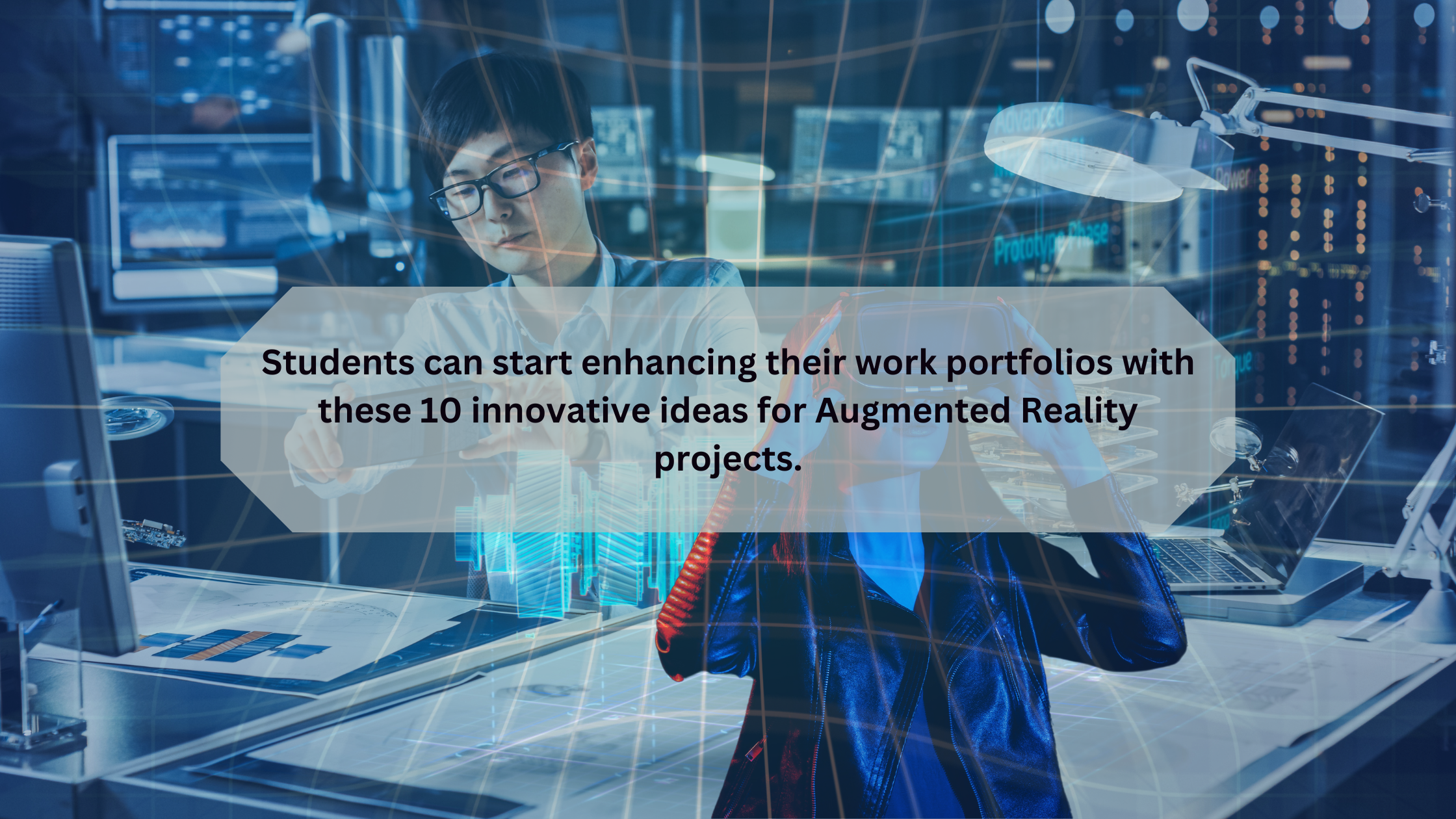
Augmented Reality Projects Ideas for Students: 10 best creative ideas to get inspired!
Introduction Augmented Reality Projects Ideas for Students. Augmented Reality (AR) has opened up new frontiers in technology and creativity, providing students with unique opportunities to explore and innovate. Here are ten inspiring AR project ideas for students, each designed to enhance learning and spark curiosity. 1. Educational Flashcards for Augmented Reality Projects Ideas For Students Create AR-enhanced educational flashcards that bring subjects to life. For example, a biology flashcard could display a 3D model of a cell, allowing students to explore its components interactively. This project can help in subjects like anatomy, astronomy, or history, making learning more engaging and effective. 2. Virtual Historical Tours For Augmented Reality Projects Ideas For Students Design an AR app that provides virtual tours of historical sites. Students can scan a location or image, and the app will overlay historical information, 3D models, and videos, providing an immersive learning experience about the past. This project is perfect for history classes and can be extended to include cultural and architectural insights. 3. Science Experiments For Augmented Reality Projects Ideas For Students Develop an AR application that simulates science experiments. Students can conduct virtual experiments by manipulating digital elements in real-time, which helps in understanding complex scientific concepts without the need for physical lab equipment. This is particularly useful for chemistry and physics experiments. 4. Interactive Storybooks For Augmented Reality Projects Ideas For Students Create an AR storybook that transforms reading into an interactive adventure. As children read the story, they can point their device at the pages to see animations, hear character voices, and interact with elements of the story. This project encourages reading and imagination among younger students. 5. Language Learning App Augmented Reality Projects Ideas For Students Design an AR app to assist in language learning. By pointing the device at objects or text, the app can display translations, pronunciations, and usage examples. This interactive method can help students learn new languages faster and more effectively. 6. Art Gallery For Augmented Reality Projects Ideas For Students Set up a virtual art gallery using AR technology. Students can create digital versions of their artwork, which can be viewed in 3D through an AR app. This project not only showcases students’ creativity but also teaches them about digital art and curation. 7. Geography Lessons For Augmented Reality Projects Ideas For Students Develop an AR geography app that overlays geographic information onto maps or physical locations. Students can learn about different regions, climates, and cultures through interactive 3D models and data visualizations. This project can make geography lessons more engaging and informative. 8. Augmented Reality For Projects Ideas For Students in Coding Create an AR platform that helps students learn coding by visualizing code execution. Students can write code and see the results in real-time through AR, which can help them understand abstract programming concepts more concretely. This project bridges the gap between coding and real-world applications. 9. Environmental Awareness For Augmented Reality Projects Ideas For Students Design an AR app focused on environmental education. By scanning natural elements like trees, plants, or animals, the app provides information about species, ecosystems, and conservation efforts. This project aims to raise awareness about environmental issues and encourage sustainable practices. 10. AR Sports Training For Projects Ideas For Students Develop an AR application for sports training, where students can practice and improve their skills. The app can provide real-time feedback on their movements, suggest improvements, and simulate game scenarios. This project is ideal for physical education and can be tailored to various sports. Conclusion Augmented Reality Projects Ideas for Students. Augmented Reality offers endless possibilities for students to explore, learn, and create. These ten AR project ideas not only inspire creativity but also enhance educational experiences across various subjects. By integrating AR into their projects, students can develop valuable skills and gain a deeper understanding of the world around them. READ MORE INFORMATIVE ARTICLES GO TO OUR HOME PAGE FAQ

10 In-Demand Augmented Reality Jobs Revolutionizing the Tech Industry
Introduction Augmented Reality Jobs. Augmented Reality (AR) is transforming the tech landscape, offering a myriad of new opportunities and revolutionizing various industries. From gaming and entertainment to healthcare and education, AR is creating an immersive experience that is reshaping the way we interact with the world. This surge in AR technology has led to an increased demand for skilled professionals who can develop, manage, and innovate within this field. The Rise of Augmented Reality Jobs In Demand Of AR overlays digital information onto the real world, enhancing the user’s perception and interaction with their surroundings. The technology has gained significant traction, with major companies like Apple, Google, and Microsoft investing heavily in AR development. This growth is driven by the technology’s potential to enhance user experiences, improve operational efficiency, and create new business opportunities. Key Industries Embracing Augmented Reality Jobs In Demand Of 1.Gaming and Entertainment: Augmented Reality Jobs has revolutionized gaming by creating immersive and interactive experiences. Games like Pokémon Go have shown the potential of AR to blend digital content with the real world, attracting millions of users globally. 2.Healthcare: Augmented Reality Jobs is being used for medical training, surgical simulations, and patient care. Surgeons can visualize complex medical procedures, enhancing precision and reducing risks. 3.Education: Augmented Reality Jobs applications are transforming education by making learning more interactive and engaging. Students can explore 3D models of historical sites, scientific concepts, and more. 4.Retail and E-commerce: Augmented Reality Jobs allows customers to try products virtually before purchasing, enhancing the shopping experience and reducing returns. 5.Manufacturing and Maintenance: Augmented Reality Jobs is used for training, assembly, and maintenance processes, providing real-time instructions and reducing errors. In-Demand Augmented Reality Jobs 1.AR Developers: Skilled in programming languages like C#, C++, and JavaScript, AR developers create applications and software that integrate digital content with the real world. 2.UX/UI Designers: These professionals design user-friendly interfaces and experiences that enhance AR interactions. 3.3D Artists and Modelers: They create realistic 3D models and animations used in AR applications. 4.AR Content Creators: Content creators develop engaging and interactive AR experiences, often collaborating with marketers and advertisers. 5.AR Project Managers: They oversee AR projects, ensuring they are delivered on time and within budget, while meeting quality standards. 6.AR Hardware Engineers: These engineers develop the hardware components, such as AR glasses and headsets, needed to support AR applications. 7.Data Scientists and Analysts: They analyze data generated by AR applications to improve performance and user experience. Skills Needed for AR Jobs Programming Knowledge: Proficiency in languages like C#, C++, JavaScript, and Python is crucial. Experience with AR Platforms: Familiarity with AR development tools like Unity, Unreal Engine, ARKit, and ARCore. 3D Modeling and Animation: Skills in 3D design software like Blender, Maya, or 3ds Max. UX/UI Design: Understanding of user experience principles and interface design. Problem-Solving Abilities: Strong analytical skills to troubleshoot and optimize AR applications. Collaboration: Ability to work effectively in multidisciplinary teams, including developers, designers, and marketers. The Future of AR Jobs The future of AR jobs is promising, with continued growth expected across various sectors. As technology advances, new roles and specializations will emerge, creating even more opportunities for professionals in the field. The integration of AR with other technologies like Artificial Intelligence (AI) and the Internet of Things (IoT) will further expand its applications and demand for skilled workers. Conclusion Augmented Reality is revolutionizing the tech industry, creating new opportunities and transforming various sectors. The demand for AR jobs is on the rise, driven by the technology’s potential to enhance experiences, improve efficiency, and generate new business opportunities. As AR continues to evolve, professionals with the right skills and expertise will be in high demand, shaping the future of this exciting field. READ MORE INFORMATIVE ARTICLES GO TO OUR HOME PAGE FAQs
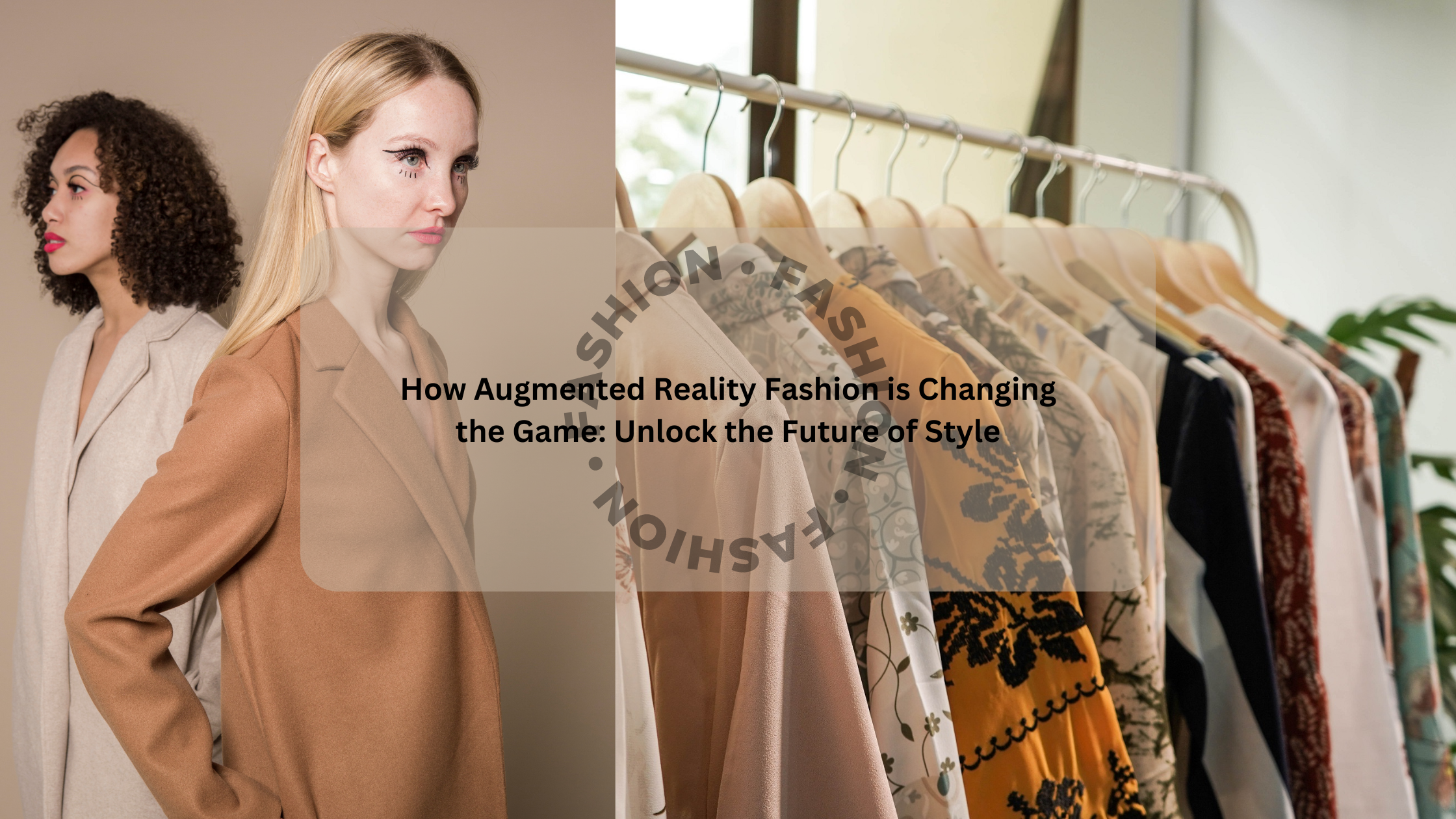
How Augmented Reality Fashion is Changing the Trends: Unlock the Future of Style in 2024
Introduction Augmented Reality Fashion is Changing the Trends. Augmented Reality (AR) has transformed various industries, and fashion is no exception. With the integration of AR, the fashion industry is experiencing a revolution in how consumers interact with brands, try on clothes, and make purchasing decisions. This article explores how AR is changing the fashion game, highlighting its benefits, challenges, and future potential. 1. Virtual Try-Ons How Augmented Reality Fashion is Changing Game One of the most significant impacts of Augmented Reality in fashion is the introduction of virtual try-ons. This technology allows consumers to see how clothes, accessories, and even makeup will look on them without physically trying them on. Using a smartphone or AR glasses, shoppers can overlay digital images of products onto their bodies in real time. Brands like Zara, Sephora, and Warby Parker have already implemented AR try-on features, enhancing the shopping experience and reducing the need for physical fitting rooms. 2. Enhanced Shopping Experience How Augmented Reality Fashion is Changing the Game AR Augmented Reality Fashion enhances the shopping experience by providing immersive and interactive elements. In-store AR mirrors can display different outfits on a customer, while online platforms can offer virtual showrooms and interactive catalogs. These features help customers make informed decisions, leading to higher satisfaction and lower return rates. Retailers can also create engaging marketing campaigns, such as virtual fashion shows and AR-based advertisements, to attract and retain customers. 3. Personalized Fashion And How AR Fashion Is Changing the Game AR Augmented Reality Fashion enables personalized fashion experiences by collecting data on individual preferences and body measurements. This data allows brands to recommend tailored products that fit perfectly and match the customer’s style. Personalized AR experiences can increase customer loyalty and drive sales, as consumers are more likely to purchase items that feel uniquely suited to them. Additionally, AR can assist designers in creating custom pieces by visualizing and modifying designs in real time. 4. Sustainability And How AR Fashion Is Changing the Game Sustainability is a growing concern in the fashion industry, and AR can contributehttps://en.wikipedia.org/wiki/Main_Page to more eco-friendly practices. By reducing the need for physical samples and prototypes, AR minimizes waste and conserves resources. Virtual try-ons also decrease the volume of returns, which often end up in landfills. Furthermore, AR can promote sustainable fashion choices by allowing consumers to visualize the environmental impact of their purchases and explore eco-friendly alternatives. 5. Accessibility and Inclusivity And How AR Fashion Is Changing The Game AR has the potential to make fashion more accessible and inclusive. Virtual try-ons can cater to people with disabilities or those who have difficulty accessing physical stores. AR can also help brands offer a wider range of sizes and styles, as digital garments can be easily adjusted to fit different body types. This inclusivity can expand a brand’s customer base and foster a more diverse fashion community. 6. Challenges and Limitations And How AR Fashion Is Changing The Game Despite its many benefits, Augmented Reality in fashion faces several challenges. High development costs and the need for advanced technology infrastructure can be barriers for smaller brands. Ensuring accurate and realistic virtual try-ons requires sophisticated algorithms and high-quality imagery. Privacy concerns also arise, as AR applications often collect and store personal data. Brands must address these issues to fully harness the potential of AR in fashion. 7. Future Prospects And How AR Fashion Is Changing The Game The future of Augmented Reality in fashion looks promising, with continuous advancements in technology and increasing consumer adoption. As AR becomes more mainstream, it will likely integrate seamlessly with other technologies, such as artificial intelligence and block-chain, to offer even more innovative solutions. The fashion industry can expect further improvements in virtual try-on accuracy, personalized shopping experiences, and sustainable practices. Conclusion Augmented Reality is undoubtedly changing the fashion game, offering a plethora of benefits to both consumers and brands. From virtual try-ons and personalized fashion to sustainability and inclusivity, AR is revolutionizing the way we shop, design, and experience fashion. While challenges remain, the future of Augmented Reality in fashion is bright, promising a more immersive, efficient, and inclusive industry. Also Read: Augmented Reality in Agriculture: Benefits & Challenges in 2024 FAQs